

10 hrs ago
India Could Use GST to Accelerate Circular Economy

A circular economy tries to keep products and materials useful instead of throwing them away.
The article says India already does some of this.
It argues that more businesses could participate if they could get financing more easily.
Banks may see activities like collecting used products and remaking them as risky.
The article suggests that banks should rethink how they judge these businesses.
It also proposes lower GST rates for products that contain enough recycled material or are easy to repair.
Digital tracking systems could check whether products meet those requirements.
This could give companies a stronger reason to design and reuse products more sustainably.

The article argues that India already uses circular-economy practices but could expand them further.
Banks may need to change how they assess risks associated with reverse logistics and remanufacturing.
Financing circular businesses depends partly on persuading financial institutions to reconsider their credit models.
A differentiated Goods and Services Tax could charge lower rates for products with verified recycled content or repairability.
Digital tracking systems being developed for extended producer responsibility compliance could help verify eligibility.
- Who
- India, banks, financial institutions, and businesses involved in reverse logistics and remanufacturing.
- What
- A proposal to use differentiated GST rates and improved credit assessment to expand circular-economy activity.
- Where
- India.
- When
- Why
- To make circular businesses easier to finance and encourage products with recycled content or repairability.
Key facts
- Policy lever
- A differentiated Goods and Services Tax structure.
- Potential tax benefit
- Lower GST for products meeting minimum recycled-content or repairability thresholds.
- Verification method
- Digital tracking systems being developed for extended producer responsibility compliance.
- Financing challenge
- Banks may view reverse logistics and remanufacturing as difficult or risky to assess.
- Requested banking change
- Financial institutions should rethink credit assessment for circular-economy businesses.
- Target outcome
- Greater financing and adoption of circular-economy practices in India.
Sources
Related news
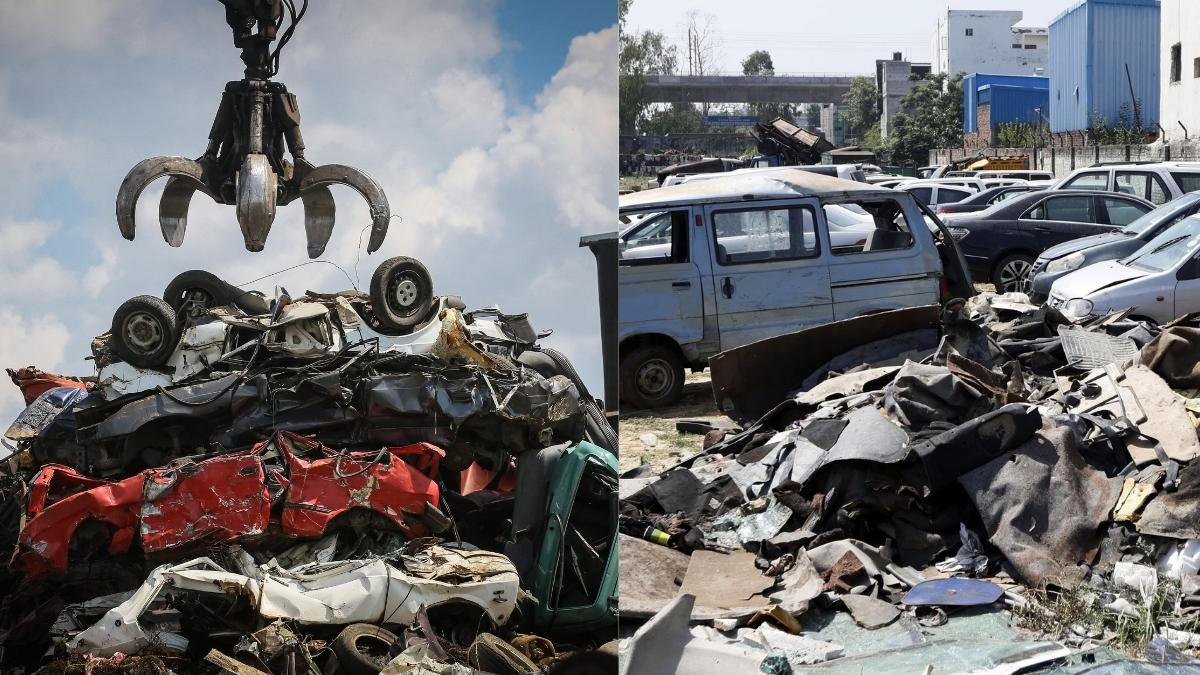
India’s Vehicle Scrappage Drive Faces Environmental and Economic Roadblocks

Can gold recycling become India's next circular economy success?
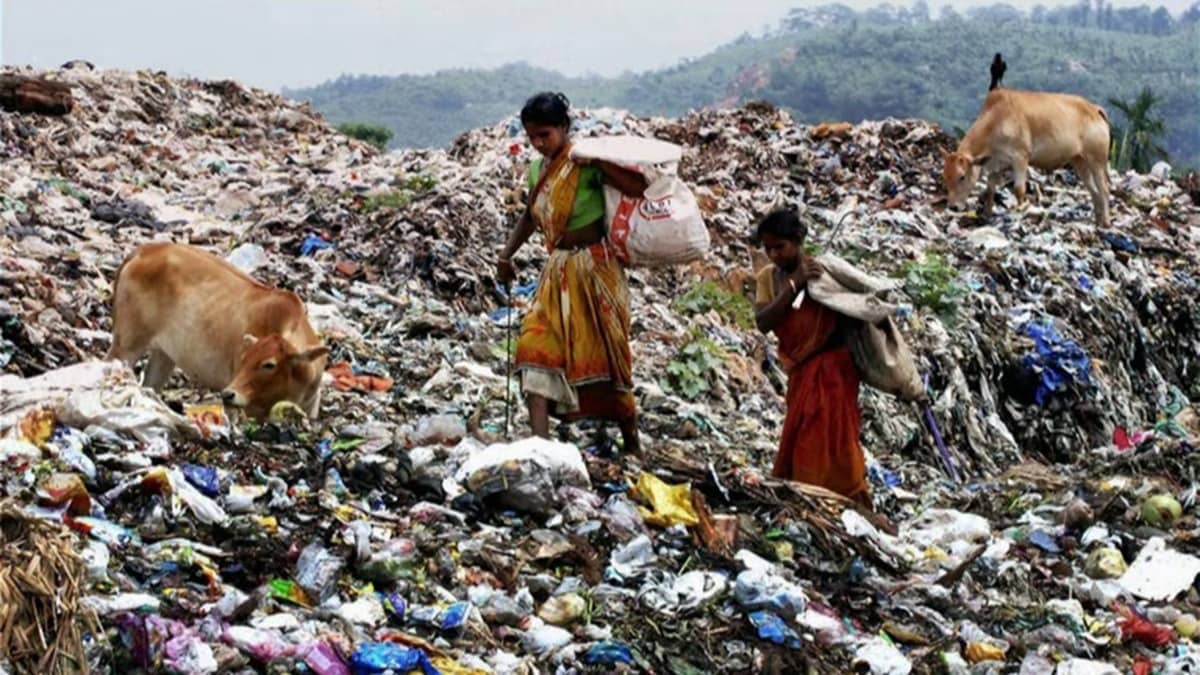
India Turns To Technology And EPR Amid Plastic Waste Crisis
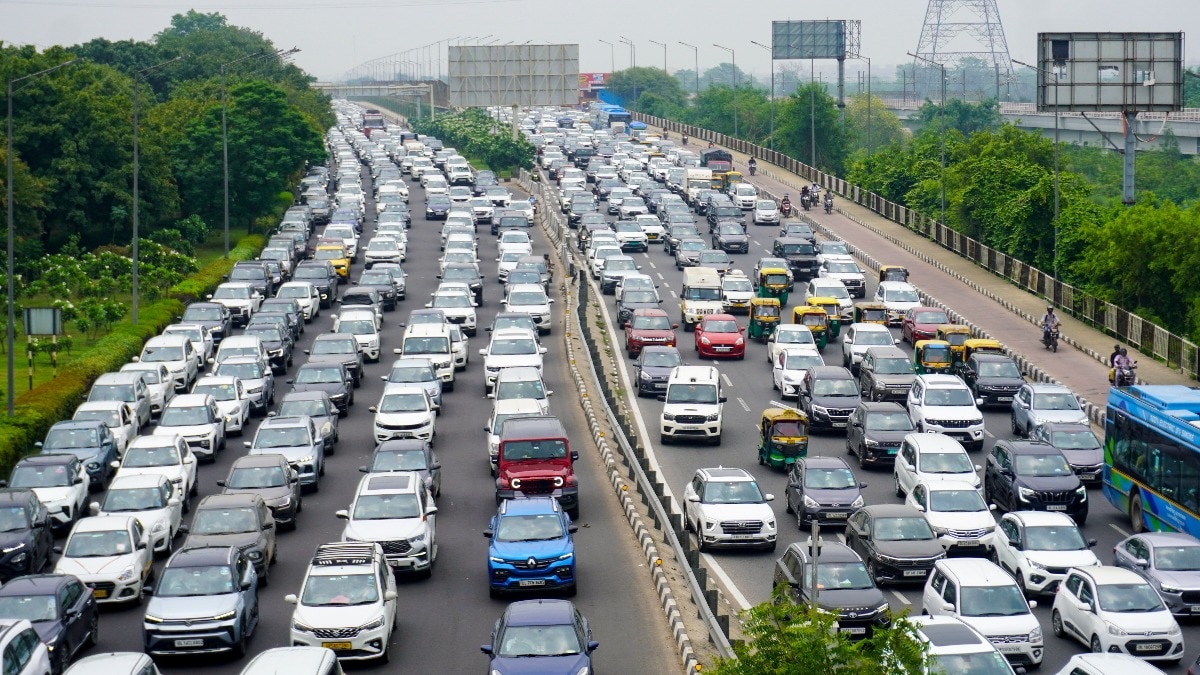
India Expects BS VII Emission Norms Draft Within Two Months

Greenwave Circularity Raises $31.5 Million for Indian Recycling Capacity
India to Host World Circular Economy Forum 2026

CBI Arrests CGST Superintendent, Consultant in New Panvel Bribery Case
Andhra Pradesh Uses GST Data for Real-Time Economic Tracking
Delhi High Court Orders Nationwide Biometric Checks for GST Registrations

Policymaker Calls Deregulation Key to India’s Next-Generation Reforms
