1 hr ago
India Expands Lunar, Solar And Human Spaceflight Ambitions
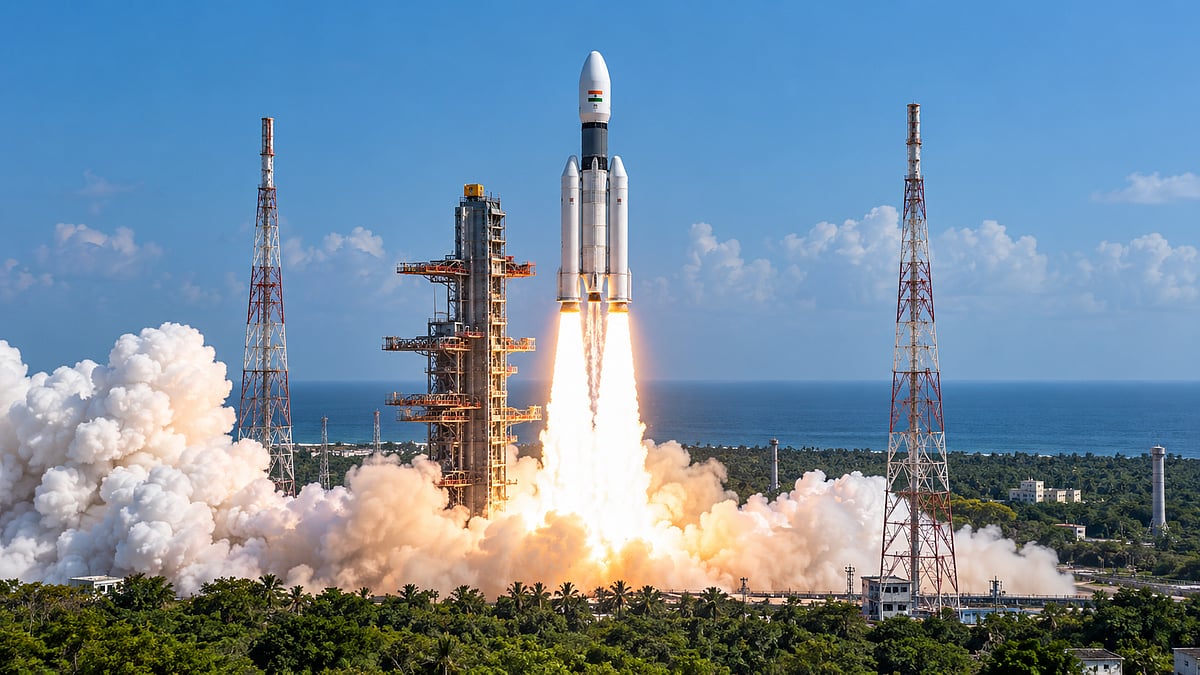
India has been building its space programme since launching Aryabhata in 1975.
It successfully landed Chandrayaan-3 on the Moon in 2023.
A future mission called Chandrayaan-4 is intended to bring Moon samples back to Earth.
India is also studying the Sun with Aditya-L1.
Another planned mission, Shukrayaan, would study Venus.
The Gaganyaan programme is testing equipment needed to safely send astronauts into space.
India plans to begin building a space station module in 2028.
Space technology also helps people with weather forecasts, farming, communications and disaster response.
The report says these efforts are helping India develop science, manufacturing and businesses.

A report says India is emerging as a global space power through exploration and human-spaceflight plans.
Chandrayaan-3 landed on the Moon in 2023, while Chandrayaan-4 is planned to return lunar samples.
Aditya-L1 studies solar activity and space weather from about 1.5 million kilometres from Earth.
Gaganyaan is testing systems for human spaceflight, while a space-station module is targeted for 2028.
Satellite technologies support agriculture, communications, healthcare, disaster preparedness and environmental monitoring across India.
- Who
- India’s space programme, including missions and agencies described in the report.
- What
- India is expanding lunar exploration, solar research, planetary missions and human-spaceflight capabilities.
- Where
- Missions operate in Earth orbit and around the Moon, Sun and planned Venus destination; applications benefit communities across India.
- When
- The programme’s history is traced from Aryabhata in 1975; key future targets include 2028, 2035 and 2040.
- Why
- The stated aims include scientific research, technological development, human spaceflight and practical benefits such as communications, agriculture and disaster preparedness.
Key facts
- Early milestone
- India’s space journey is traced to Aryabhata in 1975.
- Lunar landing
- Chandrayaan-3 successfully landed on the Moon in 2023.
- Sample return
- Chandrayaan-4, approved in 2024, is intended to collect lunar samples and return them to Earth.
- Solar mission
- Aditya-L1 studies solar activity and space weather from about 1.5 million kilometres from Earth.
- Venus mission
- Shukrayaan, or the Venus Orbiter Mission, is targeted for March 2028.
- Space station
- The first Bharatiya Antariksh Station module is targeted for 2028, with the wider station envisaged by 2035.
- Long-term goal
- India’s roadmap includes a crewed lunar mission by 2040.
- Earth applications
- Space technologies support weather forecasting, agriculture, navigation, communications, healthcare and disaster management.
Sources
Related news

Modi Unveils India’s Space Station and Moon Ambitions
India’s Space Journey Enters a Commercial, Human-Spaceflight Era

Modi Sets 2035 Space Station, 2040 Moon Landing Goals
India Weighs Lunar Ambitions Amid Rising Space Competition
ISRO Targets Six More Launches After EOS-05 Success

India, Luxembourg Expand Cooperation in Space and Emerging Technologies

Former ISRO Chief Says AI, Robotics Will Transform Space Exploration
Modi’s Leadership Lessons From Ambition to Reality