

3 hrs ago
Iran War Costs Drive Inflation, Oil Prices and Mortgage Rates

The United States has been involved in a war with Iran since February 28.
The fighting has made it harder for ships carrying oil and gas to travel through important waterways.
When less fuel reaches markets, fuel becomes more expensive.
The Congressional Budget Office says the war has helped cause a large share of recent inflation.
It estimates the conflict has cost about $38 billion so far.
The cost could rise by about $3 billion every month.
Higher fuel prices may also keep inflation rising next year.
Mortgage rates have increased from below 6% to 7.22% for a typical 30-year loan.
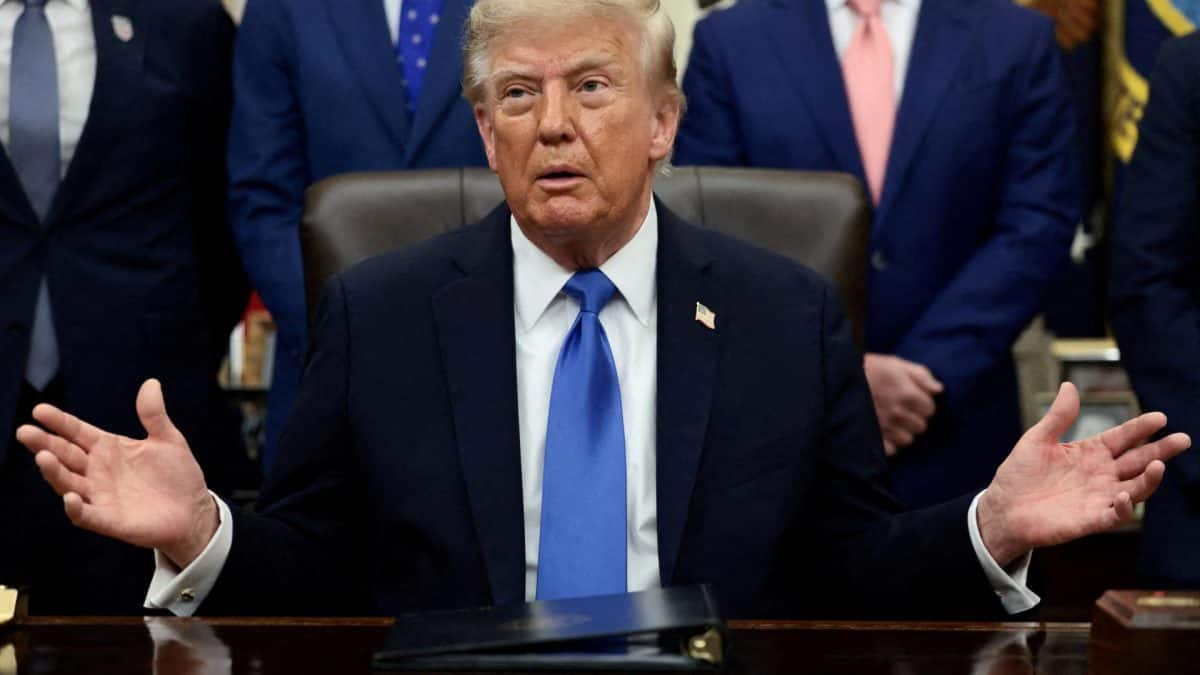
President Donald Trump says higher prices are a small cost for preventing Iran from obtaining a nuclear weapon, while critics blame the war for worsening Americans' expenses.

The Congressional Budget Office attributed more than 40% of second-quarter 2026 inflation to the ongoing Iran war.
The CBO estimates the conflict has cost about $38 billion and will add roughly $3 billion monthly.
Reduced oil and gas shipments through the Strait of Hormuz and Red Sea have intensified inflationary pressure.
The war is projected to add about 0.5% to inflation in the first quarter of next year.
Brent crude exceeded $107 per barrel, while the average US gas price rose above $4 per gallon.
- Who
- The United States, Iran, the Congressional Budget Office, President Donald Trump, and US officials including Defense Secretary Pete Hegseth.
- What
- An ongoing US war with Iran is increasing military costs, disrupting energy shipments, and contributing to higher inflation, fuel prices, and mortgage rates.
- Where
- The conflict and related disruptions involve Iran, the Persian Gulf, the Strait of Hormuz, the Red Sea, and US bases in West Asia.
- When
- The conflict began on February 28 and had entered its seventh month; the CBO report was released Tuesday US time.
- Why
- The CBO linked inflationary pressure to reduced oil and natural-gas shipments through the Strait of Hormuz and disruptions to Red Sea shipping.
War Critics
War Supporters
Economic consequences
War Critics
Critics and increasingly more Americans, including Republicans, blame President Donald Trump and the conflict for rising oil, gas, and other prices.
War Supporters
Trump has said higher prices are a small cost to pay to ensure Iran does not obtain a nuclear weapon.
Military readiness
War Critics
A Defense Department inspector general report cited a munitions shortfall and supply-chain bottlenecks, while the CBO estimates five years may be needed to replace used munitions.
War Supporters
Trump and Defense Secretary Pete Hegseth have contradicted reports that the United States is running low on munitions.
Key facts
- Estimated war cost
- About $38 billion so far, with an additional $3 billion projected each month.
- Inflation impact
- More than 40% of inflation in the second quarter of 2026 was attributed to the war; another 0.5% increase is projected for the first quarter of next year.
- Munitions replacement
- The CBO estimates replacement costs of $21.7 billion through August 1, 2026.
- Munitions breakdown
- $7.3 billion for land-attack cruise missiles, $13.1 billion for missile-defense interceptors, and $1.2 billion for other munitions.
- Mortgage rates
- The typical 30-year mortgage rate rose from below 6% before the war to 7.22% on Tuesday.
- Oil price
- Brent crude was priced above $107 per barrel and had risen more than 20% that month.
- US gasoline price
- The national average exceeded $4 per gallon, more than 40% higher than when the conflict began.
Quotes

Organisation for Economic Co-operation and Development
Paris-based international economic research and policy organization.
“The energy price surge and the unpredictable nature of the evolving conflict in the Middle East will raise costs and lower demand, offsetting the tailwinds from strong technology-related investment and production, lower effective tariff rates and the momentum carried over from 2025.”
 financialexpress.com
“CBO estimates that the cost to replace the munitions expended through August 1, 2026, is $21.7 billion: $7.3 billion for the land-attack cruise missiles, $13.1 billion for the missile defense interceptors, and $1.2 billion for other munitions.”
financialexpress.com
Sources
Related news
Iran War Costs Exceed $38 Billion, CBO Reports
CBO Warns Iran War Costs $38 Billion, Strains Missile Stocks

Iran War Drives $107 Billion in Extra U.S. Fuel Costs

Oil Tops $100 as Hormuz Conflict Deepens Global Energy Fears

Trump Says He Has No Regrets Over Iran War

Brent tops $91 as Trump rules out extending Iran ceasefire

Indian Refiners Face Rising Crude Costs Amid Middle East Disruptions

Saudi Arabia Calls Alleged Houthi Mecca Attack Red Line
Pakistan Weighs Smart Lockdown as Fuel Prices Surge
