1 day ago
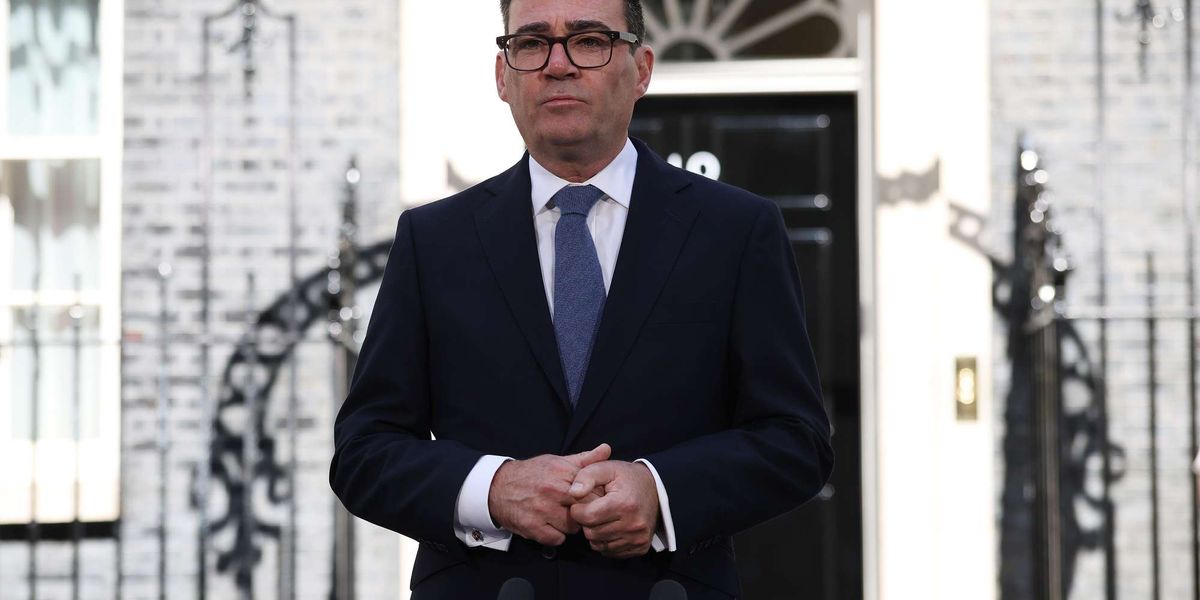
UK Borrowing Costs Hit 28-Year High Before Burnham Budget

The UK government borrows money by selling bonds called gilts.
The interest rates investors want for these bonds have risen sharply.
This means the government may have to spend more money paying back its debt.
That could leave less money for new plans in Andy Burnham’s first Budget.
One economist estimated that the government’s spare financial room could nearly halve.
Bond prices are being affected by global market pressures and worries about inflation.
Technology companies are also borrowing heavily, giving investors other places to put their money.
The government says careful control of its finances remains essential.

The 30-year gilt yield reached 5.89% on September 1, its highest level since March 1998.
The 10-year gilt yield climbed to about 5.25%, its highest level since June 2008.
Higher yields could reduce the government’s budget headroom for spending and cost-of-living measures.
Deutsche Bank economist Sanjay Raja estimated fiscal-rule headroom could fall from about £26 billion to £13.8 billion.
Global bond selling, inflation concerns and heavy technology borrowing are contributing to higher government borrowing costs.
- Who
- Andy Burnham, Chancellor John Healey, the UK government and financial-market investors are central to the report.
- What
- UK government borrowing costs reached multi-year highs, potentially reducing the money available for the October Budget.
- Where
- The pressure is affecting UK government bond markets, alongside bond markets in Japan, the United States and Europe.
- When
- The 30-year gilt yield reached its reported high on September 1; the Budget is scheduled for October 28.
- Why
- A global bond sell-off, inflation concerns linked to higher oil prices and competition from technology-company borrowing have pushed yields higher.
Government Fiscal Discipline
Market and Economist Concerns
Room for Budget measures
Government Fiscal Discipline
The government says it is cutting the deficit faster than any other G7 economy and remains committed to fiscal discipline.
Market and Economist Concerns
Higher gilt yields could substantially reduce the headroom available for cost-of-living support and other new spending.
Managing financial confidence
Government Fiscal Discipline
Downing Street presents fiscal discipline as necessary for economic stability and national security.
Market and Economist Concerns
Sanjay Raja said the government may need to preserve at least £10 billion of headroom to reassure financial markets.
Key facts
- 30-year gilt yield
- 5.89%, the highest level since March 1998
- 10-year gilt yield
- About 5.25%, the highest level since June 2008
- Budget date
- October 28
- Previous fiscal headroom
- About £26 billion at the spring forecast
- Estimated headroom at current yields
- £13.8 billion, according to Deutsche Bank economist Sanjay Raja
- Suggested market reassurance buffer
- At least £10 billion of headroom, according to Raja
- Government position
- Downing Street said fiscal discipline remained the bedrock of economic stability and national security
Sources
Related news

Global Bond Selloff Deepens as Oil and Debt Fears Rise

Britain’s July Tax Boost Fails to Prevent Growing Deficit

Global Bond Selloff Deepens as Debt and Inflation Fears Rise

Global Bond Yields Surge as Inflation and Debt Risks Rise
Rising US Treasury Yields Pressure Consumers, Companies, and Global Markets

Uday Kotak Warns Global Bond Markets Face Roller-Coaster Volatility
Bank of England Warns AI Boom Could Trigger Market Shock

Hegseth Faces Scrutiny Over Wife’s Pentagon Influence and War Leadership

UK economic growth slows to 0.4% in second quarter