1 hr ago
India Seeks Partners to Advance Oral Nanodrug for Newborn Jaundice

Some newborn babies get jaundice when a yellow substance called bilirubin builds up in their blood.
In severe cases, it can harm the brain.
Doctors now use special blue lights or sometimes replace the baby’s blood to treat it.
India is working on an oral medicine made with tiny particles that may help the body remove bilirubin naturally.
Early studies reported encouraging results, but more testing is needed.
The Indian Council of Medical Research is looking for companies to make batches for larger trials.
A doctor quoted in the article says the medicine could help babies who cannot easily reach hospitals with advanced equipment, if it proves safe and effective.

India plans to accelerate development and commercial manufacturing of an oral nanodrug for severe newborn jaundice.
The drug uses nanoparticles to bind bilirubin and help infants pass it naturally through stool and urine.
The article reports promising preclinical and early clinical findings, including shorter phototherapy duration and reduced need for exchange transfusions.
The Indian Council of Medical Research is inviting pharmaceutical companies and contract manufacturers to produce trial batches and placebos.
A selected partner would gain manufacturing and commercialization rights, while ICMR oversees scientific trials.
- Who
- The Indian Council of Medical Research, eligible pharmaceutical companies and contract manufacturers, and newborns with severe jaundice.
- What
- India plans to advance development and manufacturing of an oral nanodrug intended to treat severe neonatal jaundice.
- Where
- India.
- When
- The plan is underway; no specific date is given.
- Why
- To develop a potential treatment that may reduce reliance on specialized phototherapy and emergency blood transfusions, including for babies with limited access to advanced hospital facilities.
Potential benefits
Conditions and limitations
Access to treatment
Potential benefits
A point-of-care oral medicine could help newborns who have difficulty reaching facilities with phototherapy equipment and trained staff.
Conditions and limitations
The article says the treatment’s potential depends on continued evidence of safety and efficacy; further trials are planned.
Replacing existing interventions
Potential benefits
The reported early findings suggest the drug may shorten phototherapy and reduce the need for exchange transfusions.
Conditions and limitations
Phototherapy and emergency blood transfusions remain the current treatments described in the article; the nanodrug has not been presented as an established replacement.
Key facts
- Condition
- Severe neonatal hyperbilirubinemia, a form of newborn jaundice.
- Proposed treatment
- A single-dose oral liquid formulation using targeted nanoparticles to bind bilirubin.
- Current treatments
- Phototherapy using special blue lights and, in emergencies, blood transfusions.
- Reported preclinical finding
- Animal studies reportedly reduced brain toxin levels by nearly 85% within hours.
- Reported clinical findings
- Early trials reportedly shortened phototherapy duration; the article also reports a 94% reduction in neonatal mortality and a 92% drop in exchange transfusion requirements.
- ICMR role
- Oversee scientific trials and invite manufacturers to produce GMP-compliant clinical trial batches and placebos.
- Partner rights
- The selected drugmaker would receive manufacturing and commercialization rights across dosage strengths and could conduct further research.
Quotes
Dr. Sameer Punia
Senior consultant and paediatric intensivist at Aakash Healthcare Superspeciality Hospital
“Neonatal jaundice remains a significant public health concern in India, cutting across geographies and healthcare settings. An indigenous, affordable oral nanodrug that can be administered at the point of care could be a major step forward in making timely treatment accessible to newborns who may not have access to advanced hospital infrastructure.”
 livemint.com
Sources
Related news
Firstpost Story Sparks India-Netherlands Effort for Affordable Tiratricol

Family Seeks Access to Rare Disease Drug for Toddler
IISc Team Builds AI Tools for Cancer Screening and Healthcare
Ratlam Leads Madhya Pradesh With 92.4% Newborn Discharge Rate
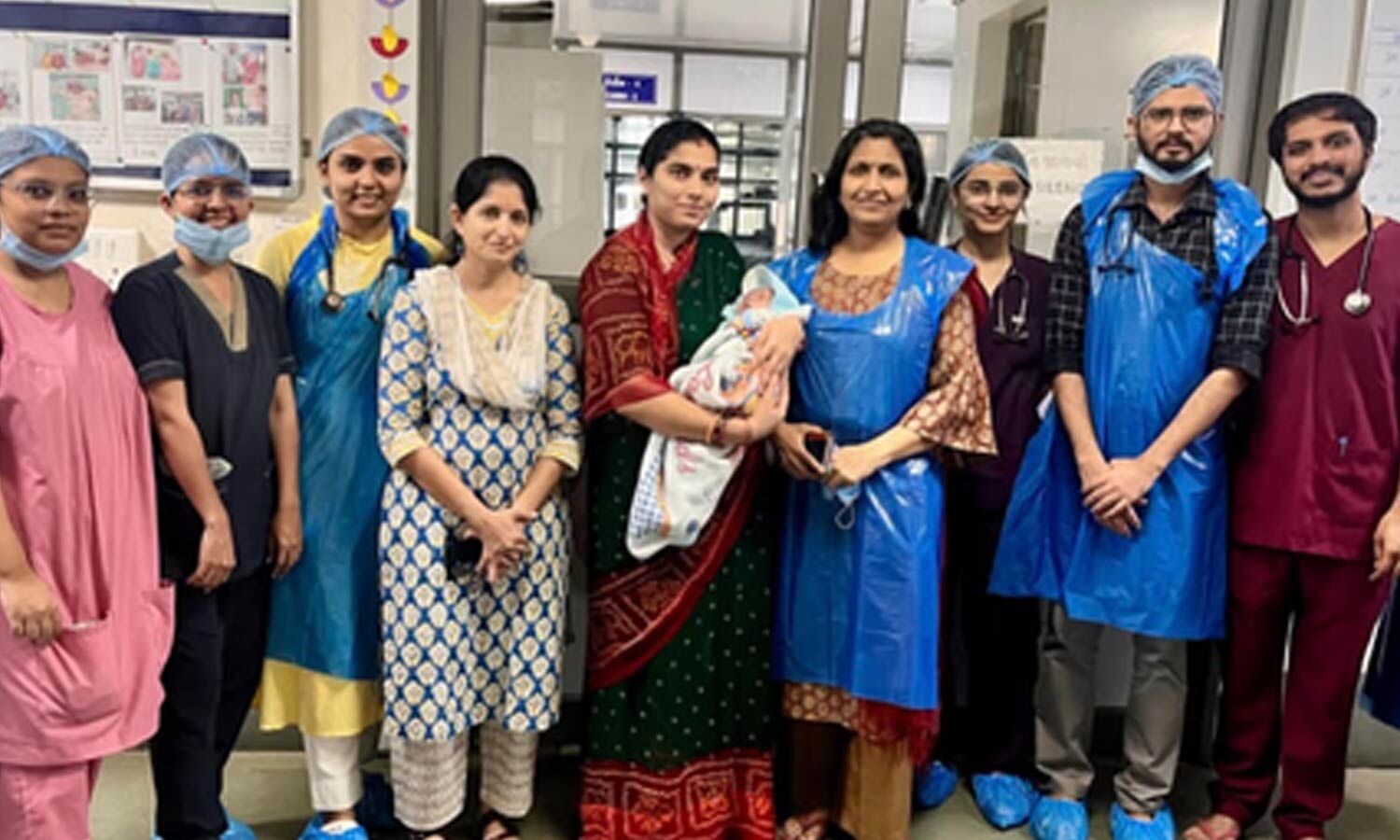
Ahmedabad Civil Hospital Helps Critical Newborns Recover After Prolonged Treatment
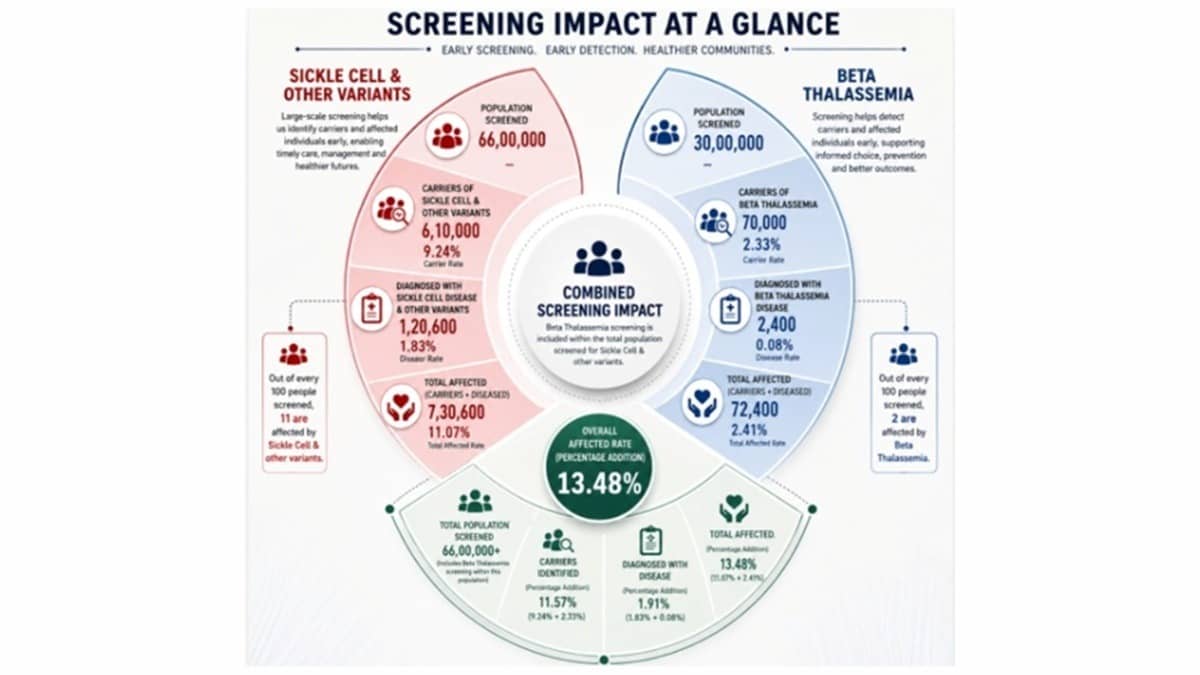
Odisha's Sickle Cell Screening Model Gains National Attention

India Accuses Pakistan of Spreading Falsehoods at UN

Shai Hope Discusses Dew, India's Batting After High-Scoring Chase

Transport Restrictions Put Access to Political Protest in Focus

All 22 Indian Seafarers Safe After Tanker Drone Attack
Govt Rejects Rahul Gandhi's Claim After President Meeting