1 hr ago
Odisha's Sickle Cell Screening Model Gains National Attention
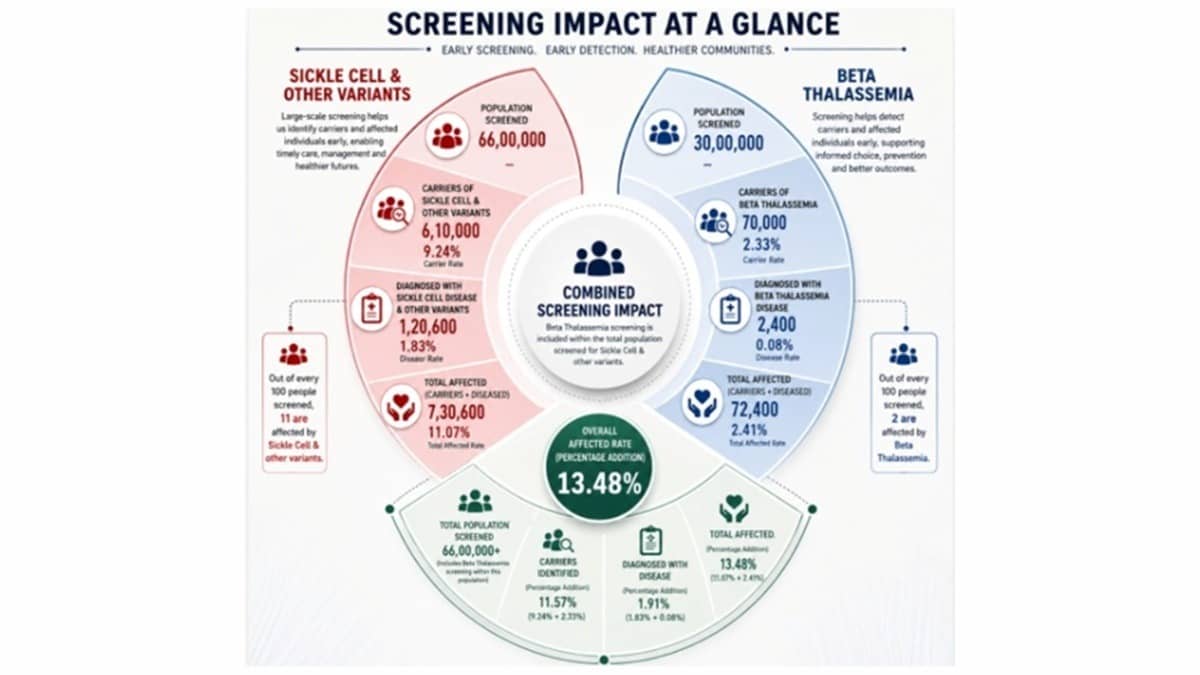
Sickle cell disease and thalassemia are inherited blood disorders that can cause serious health problems.
They are especially difficult to detect in remote and tribal parts of India.
Odisha has created a large program to find these disorders earlier.
Health workers collect a small blood sample on filter paper using DBS-HPLC technology.
The sample can travel to a laboratory without needing complicated refrigeration.
Odisha has screened more than 66 lakh people in 21 districts.
The state says it found 6 lakh sickle-cell carriers and 10,000 people with other haemoglobin variants.
Odisha is now preparing a second phase to screen more people and improve long-term care.

Odisha has completed more than 66 lakh screenings across 21 districts for sickle cell disease and related conditions.
The state reported identifying 6 lakh sickle-cell carriers and 10,000 people with other haemoglobin variants.
Its program combines screening with schools, antenatal care, tribal outreach, counselling, treatment, and follow-up support.
DBS-HPLC technology uses dried blood spots that can be transported without complex cold-chain infrastructure.
Odisha is preparing Phase II of its screening program to expand coverage and strengthen continuity of care.
- Who
- The Government of Odisha and National Health Mission Odisha, with health workers and communities in tribal and high-prevalence districts.
- What
- A large-scale screening, diagnosis, counselling, and treatment-support program for sickle cell disease and thalassemia.
- Where
- Across 21 districts of Odisha, including tribal and remote areas.
- When
- The program has completed more than 66 lakh screenings; Phase II is now being prepared. India launched its National Sickle Cell Anaemia Elimination Mission in 2023.
- Why
- To detect inherited blood disorders earlier, improve access to care, and reduce their long-term public-health burden.
Key facts
- Screenings completed
- More than 66 lakh across 21 districts of Odisha
- Reported sickle-cell carriers
- 6 lakh individuals
- Other haemoglobin variants
- 10,000 individuals
- Testing technology
- Dried Blood Spot-based High-Performance Liquid Chromatography (DBS-HPLC)
- Phase II objective
- Achieve maximum possible screening across Odisha and strengthen follow-up and continuity of care
- National mission
- India launched the National Sickle Cell Anaemia Elimination Mission in 2023, with a goal of eliminating sickle cell disease as a public-health concern by 2047
- Global burden cited
- Health estimates in the article say India accounts for nearly 14 percent of the world's sickle-cell cases
Quotes
Dr Brunda D
Mission Director, National Health Mission, Department of Health and Family Welfare, Government of Odisha
“A major reason Odisha’s screening model succeeded was the adoption of DBS-HPLC technology, which simplified large-scale testing in remote regions. Unlike traditional methods that depend on complex blood collection and transport systems, DBS-HPLC uses dried blood spot samples that remain stable during transit, making accurate screening faster, scalable, and far more accessible.”
 republicworld.com
“Technology like DBS-HPLC has made early detection much easier and more accessible, but awareness remains equally important. People should proactively opt for screening before marriage or pregnancy because identifying carrier status early can significantly reduce the future burden of sickle cell disease and thalassemia within families and communities.”
republicworld.com
Sources
Related news

KGH Lab Finds Genetic Haemoglobin Disorders In 94 Samples

Bhopal Doctors’ Sickle Cell Initiative Gains Harvard Recognition
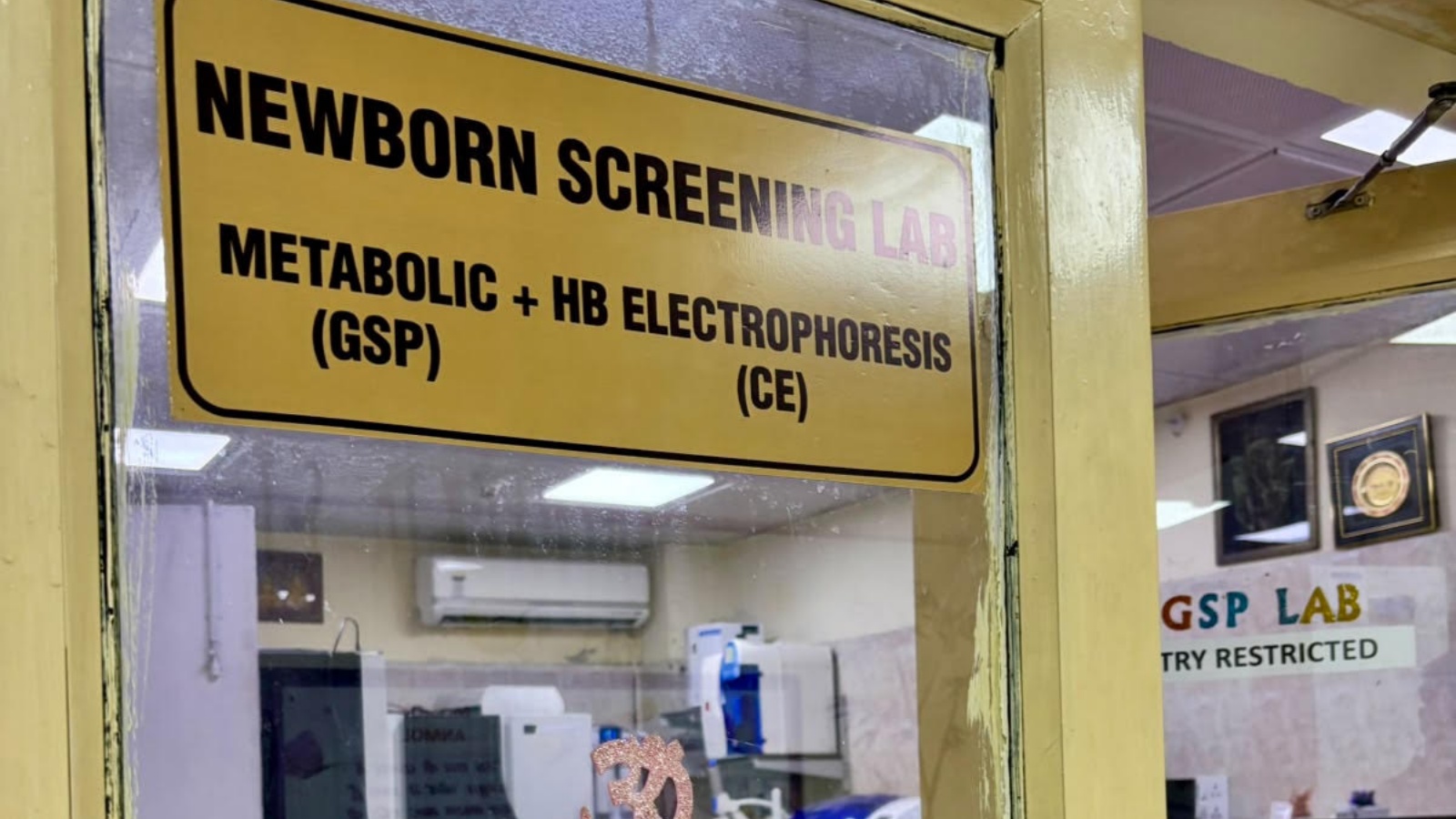
Delhi Expands Free Newborn Genetic Disease Screening Programme
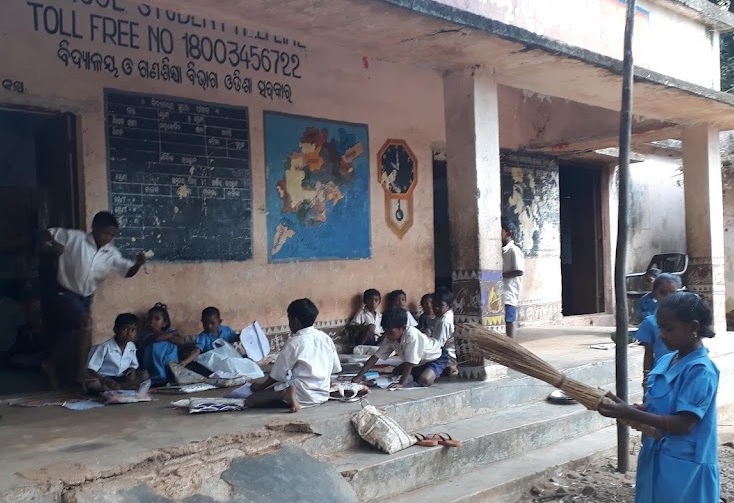
Odisha Urged to Restore Double-Fortified Salt in School Meals

Haryana Announces 100-Day Anaemia Campaign Starting September 17

India’s Regulatory System Must Evolve for Tailored Gene Therapies

Chhattisgarh and West Bengal Lead Sub-Junior Basketball Knockouts

SOA Advisor Lalit Kumar Meher Honoured as Master Teacher

Woman Engineer Allegedly Assaulted at Gunpoint in Bhubaneswar Apartment

New NCERT Class 9 Textbook Links Temples, Taxes and Power