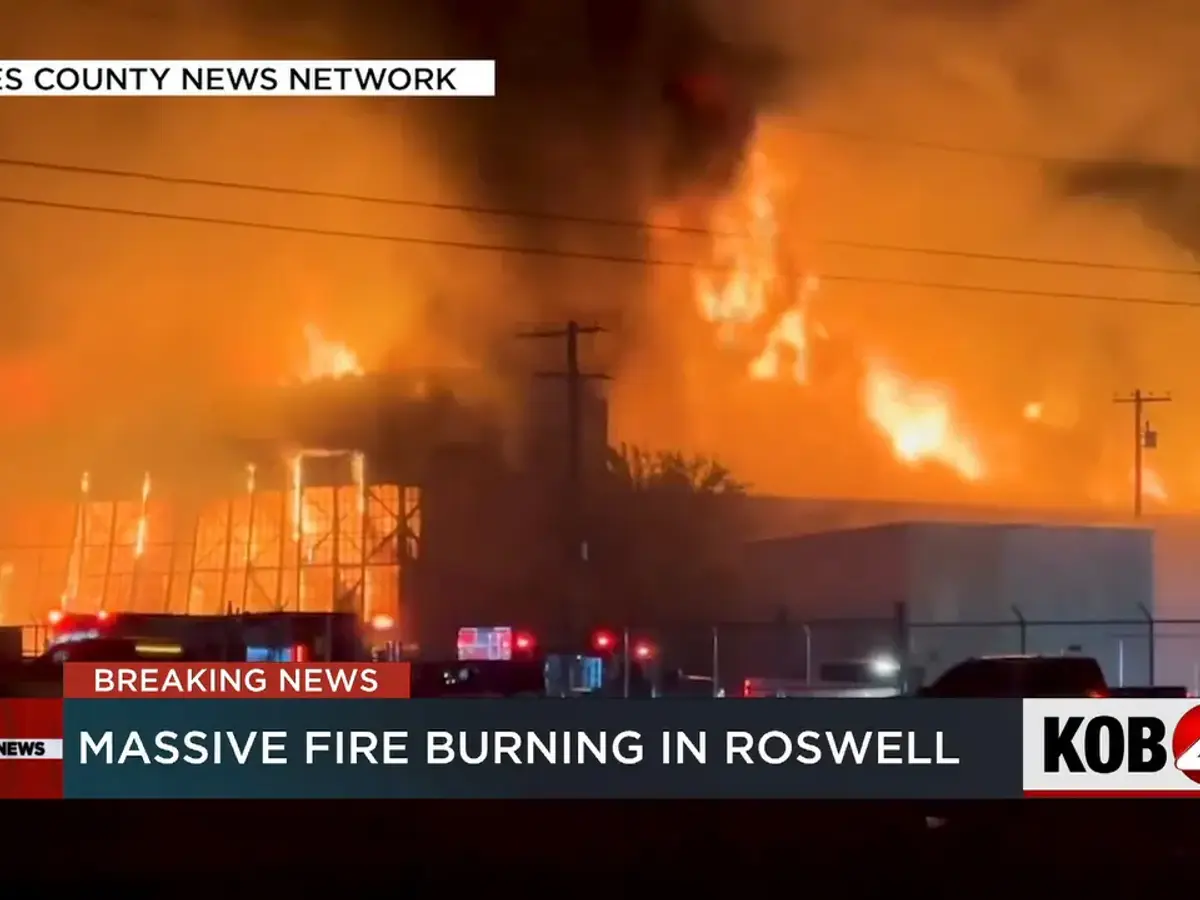
3 weeks ago
Fatal New Mexico Crash Raises Questions Over Military GPS Jamming

A small twin-engine plane crashed into a mountain in New Mexico, and all four people on board died.
The plane was flying to pick up a patient for a medical trip.
Just eight minutes after takeoff, the pilots told air traffic control that they had lost their GPS.
At the same time, the US military was testing special equipment that can block GPS signals.
GPS tells pilots exactly where they are, even in the dark.
Without it, the pilots had to look out the window to fly, but it was a very dark night with almost no moonlight.
Other planes nearby were also having GPS problems that night.
The government had warned that this test could affect GPS up to 400 miles away.
The people who investigate plane crashes are still studying what happened and have not said for sure what caused it.

A twin-engine Beechcraft King Air 90 medevac flight crashed into the Capitan Mountains in New Mexico, killing all four people on board.
The crew reported losing GPS signal eight minutes after takeoff from Roswell and later requested a visual approach on a dark, nearly moonless night.
The US military was testing new GPS jammers at White Sands Missile Range on May 13, the same day as the crash, per a report by 'Wired'.
The FAA had warned GPS could be affected up to 400 miles away between May 12 and May 18 for the New Mexico test.
The NTSB said it has not yet determined the probable cause or contributing factors of the accident.
- Who
- Captain Keelan Clark (30), First Officer Ali Kawsara (23), and two nurses aboard the Beechcraft King Air 90; investigators include the US National Transportation Safety Board (NTSB).
- What
- A medevac flight lost GPS navigation shortly after takeoff, became disoriented, and crashed into a mountainside, killing all four people on board; the crash raises questions about US military GPS jamming tests.
- Where
- Capitan Mountains, New Mexico, near White Sands Missile Range; the flight departed from Roswell.
- When
- Shortly before midnight on May 13, crashing at around midnight on May 14 (of this year); the military test and FAA warning ran from May 12 to May 18.
- Why
- The crew reported losing their GPS signal during a US military GPS jamming exercise at White Sands Missile Range and, flying visually on a dark, nearly moonless night, became disoriented; the NTSB has not yet determined the probable cause.
Military GPS Test Blamed
Cause Not Yet Determined
Cause of the Crash
Military GPS Test Blamed
The US military's GPS jamming test at White Sands Missile Range likely caused the crash by disabling the plane's GPS, leading the crew to become disoriented at night.
Cause Not Yet Determined
The NTSB says it has not yet determined the probable cause or contributing factors, leaving open the possibility of other factors such as pilot decisions or terrain.
Scope of Jamming
Military GPS Test Blamed
The FAA warned GPS could be affected up to 400 miles away during the test, so the jamming had a very wide impact on civil aviation.
Cause Not Yet Determined
The area was chosen partly because it is one of the least densely populated regions in the US, so the number of flights affected was considered limited.
Abandoning Instrument Navigation
Military GPS Test Blamed
Losing GPS forced the crew to abandon an RNAV approach and ultimately fly visually on a moonless night, which contributed to their disorientation.
Cause Not Yet Determined
The crew requested a visual approach, which was approved by the controller, and flying visually was their own decision under the circumstances.
Key facts
- Aircraft
- Twin-engine Beechcraft King Air 90
- Fatalities
- All 4 people on board
- Flight Type
- Medevac (medical evacuation) flight from Roswell
- Crash Location
- Capitan Mountains, New Mexico (elevation about 10,000 feet)
- Date and Time
- Shortly after midnight on May 14 (of this year)
- Military Activity
- US military testing new GPS jammers at White Sands Missile Range on May 13, the same day as the crash
- FAA Warning
- GPS could be affected up to 400 miles away between May 12 and May 18
- Investigation Status
- NTSB says it has not yet determined the probable cause
Quotes

National Transportation Safety Board
U.S. aviation safety investigation agency
“The NTSB states that it 'has not yet determined the probable cause or contributing factors of the accident.'”
 thehansindia.com
Sources
Related news
Eight Killed in Aircraft Crash Near Remote Alaska Radar Site

NTSB Says Alaska Plane Crashed During Second Landing Attempt

Alaska Plane Crashes During Second Foggy Approach, Killing Eight

US F-16s intercept planes near Trump's New Jersey golf club

White House Radio Failure Brought Marine One Close To Jet

Marine One Under Probe After Close Call With Passenger Jet

Roswalt Realty Acquires Naming Rights for Oshiwara Metro Station