5 days ago
White House Radio Failure Brought Marine One Close To Jet

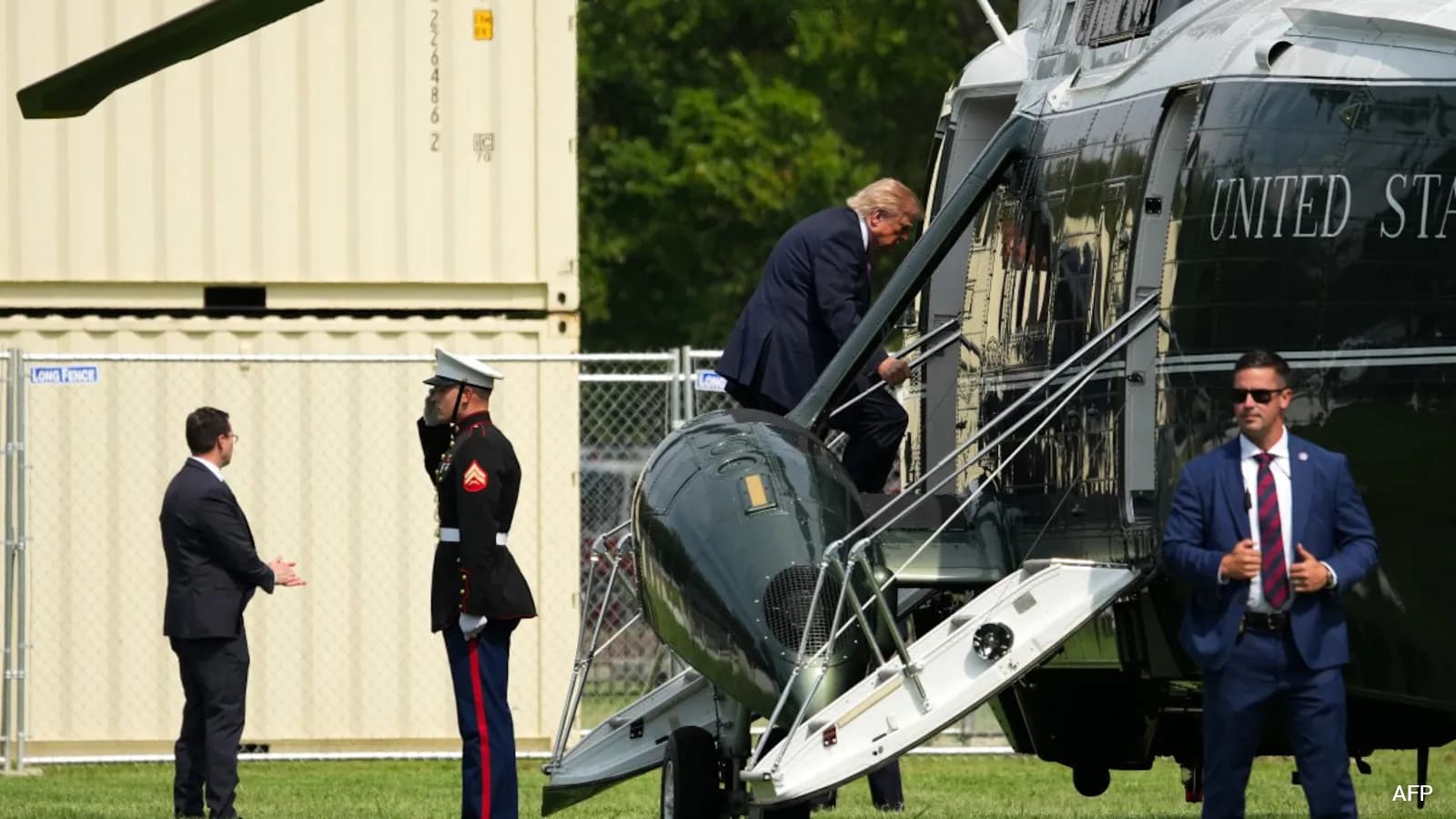
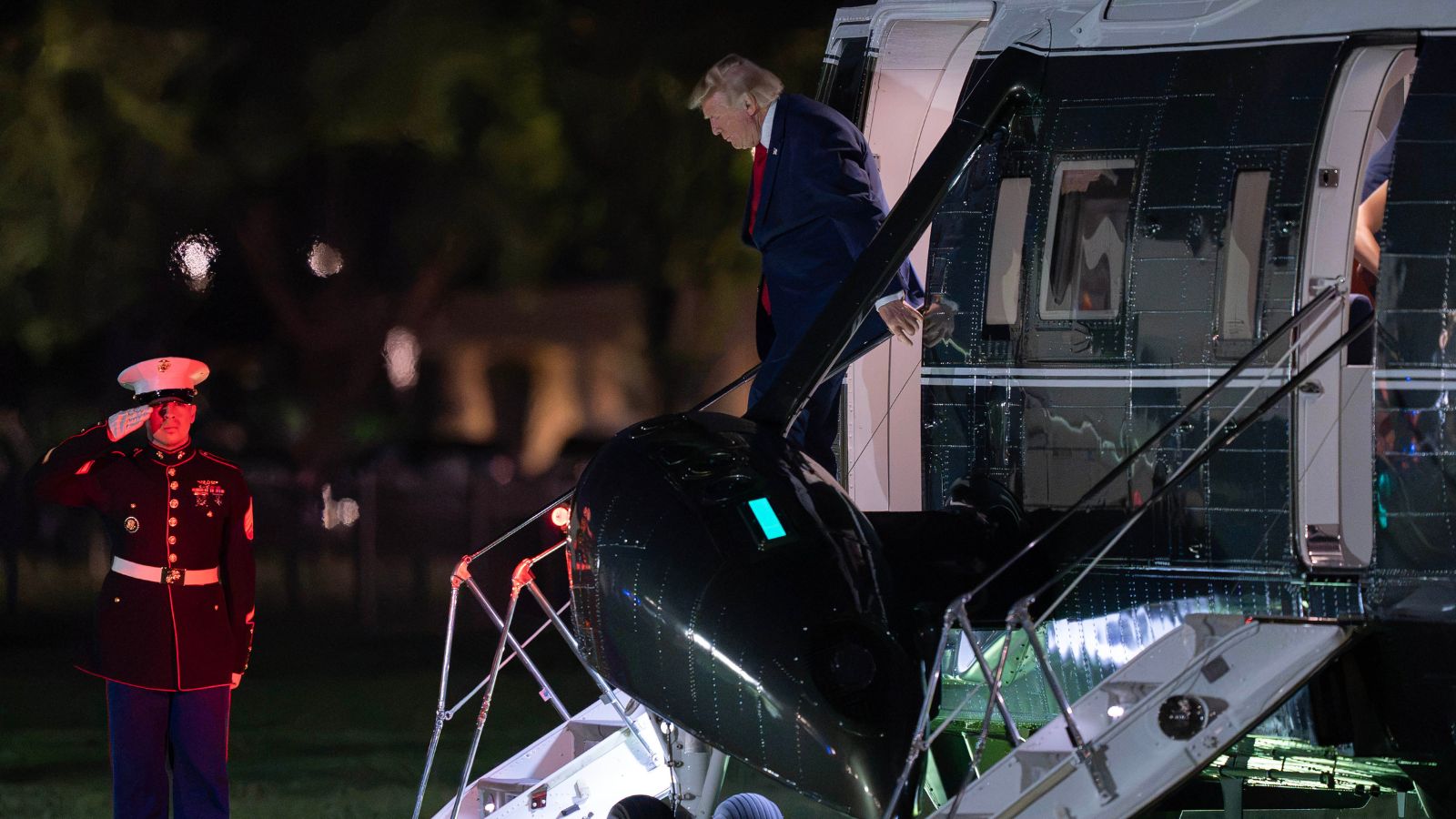
President Donald Trump’s helicopter, Marine One, was preparing to take off near an airport.
An airline plane was also getting ready to fly.
Controllers did not hear Marine One’s warning that it would leave in three minutes.
Construction at the White House had moved the helicopter to a different takeoff spot.
The radio equipment could not reliably reach that new location.
The helicopter pilots saw the airplane and waited briefly.
The two aircraft came close but did not crash.
The FAA later moved the radio equipment to improve communication.

White House construction moved Marine One’s takeoff location, contributing to inadequate radio line of sight with Reagan National’s tower.
Controllers did not hear Marine One’s required three-minute departure warning before the August 4 incident.
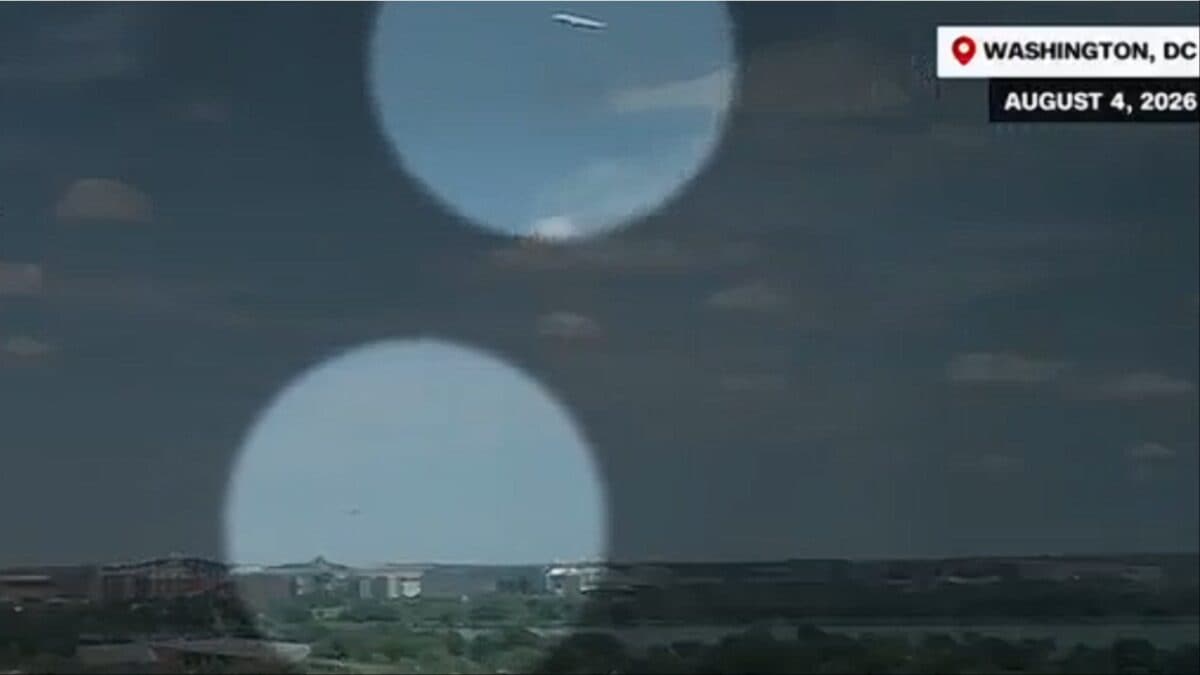
Marine One and an Envoy Air jet came within just over 0.8 mile laterally and about 700 feet vertically.
The helicopter pilots saw the airplane, briefly delayed takeoff, and the jet climbed away safely.
The FAA moved the radio receiver to Reagan’s tower, and later tests showed improved communications.
- Who
- Marine One carrying President Donald Trump, an Envoy Air flight crew, air traffic controllers, and Marine One pilots.
- What
- A helicopter and a commercial airplane came too close after controllers missed Marine One’s departure warning.
- Where
- Near Ronald Reagan Washington National Airport, with Marine One departing from the White House Ellipse.
- When
- The incident occurred on August 4; the NTSB released a preliminary report on Thursday.
- Why
- White House construction changed Marine One’s takeoff location, leaving inadequate line of sight between the helicopter and the airport radio receiver.
Officials And Investigators
Safety Critics And Experts
Responsibility for the missed warning
Officials And Investigators
The NTSB and FAA attributed the communication failure to inadequate line of sight after Marine One moved to a temporary takeoff location because of White House construction.
Safety Critics And Experts
Safety expert Jeff Guzzetti said the controllers were not at fault because they never received the warning, but criticized officials for failing to identify the underlying radio problem despite earlier communication issues.
Whether procedures failed
Officials And Investigators
The FAA said it acted immediately by moving the receiver, and officials stressed that President Trump was never in danger. The controller warned Marine One once the helicopter’s departure became apparent.
Safety Critics And Experts
The simultaneous presence of Marine One and the airliner raised concerns because it appeared inconsistent with procedures adopted after a previous deadly collision near Reagan National Airport.
Key facts
- Closest separation
- Just over 0.8 mile laterally and about 700 feet vertically, according to preliminary NTSB estimates.
- Aircraft involved
- Marine One and an Envoy Air commercial airplane.
- Missed warning
- Reagan tower recordings did not contain Marine One’s required three-minute departure warning.
- Separate recording
- A recording posted by ATC.com showed the Marine One pilot making the three-minute warning call.
- Pilot response
- Marine One’s pilots saw the airplane and made a momentary delay before departing.
- Airline alert
- The Envoy Air crew reported receiving a collision-avoidance traffic warning after takeoff but did not see the helicopter.
- FAA response
- The FAA moved the radio receiver from a nearby neighborhood to the top of Reagan’s control tower, where subsequent tests showed improved performance.
- Warning agreement
- A 2013 FAA-military agreement calls for a three-minute warning before the president’s helicopter takes off.
Quotes
Reagan tower controller
Air traffic controller at Ronald Reagan Washington National Airport
“I can’t hear Marine One. If you hear Marine One, can you let me know?”
 livemint.com
“Uh, Marine One, you said, uh, you're proceeding as briefed?”
 NDTV
NDTV
Jeff Guzzetti
An aviation safety expert quoted by the Associated Press.
“In this case, the controller did absolutely nothing wrong. He did not receive the transmission saying that they were three minutes away from taking off. So he had no reason to hold the airplane that was lining up and waiting.”
NDTV
“Even though they were aware of some previous communications issues, they never got at the root cause.”
livemint.com
Sources
Related news

Marine One Loses Air Traffic Communication Again Near Washington Airport
Marine One Under Probe After Close Call With Passenger Jet
FAA probes safety lapse in Reagan Airport Marine One incident
Trump's Secret Turkey Plane Swap Sparks Anger Among Journalists

US F-16s intercept planes near Trump's New Jersey golf club