1 week ago
NTSB Says Alaska Plane Crashed During Second Landing Attempt

A small plane crashed in a remote part of Alaska, and all eight people on board died.
There were two pilots and six passengers.
The plane was flying from Anchorage to an airport serving a military radar site.
Thick fog and low clouds made it hard for the pilots to see the ground.
They had to use the plane’s instruments instead.
The pilots stopped their first landing attempt because they could not see well enough.
Air traffic controllers then lost contact with the plane.
The plane crashed near the runway during another landing attempt.
Investigators are studying the weather, radio messages, flight data, and the pilots’ experience to learn what happened.

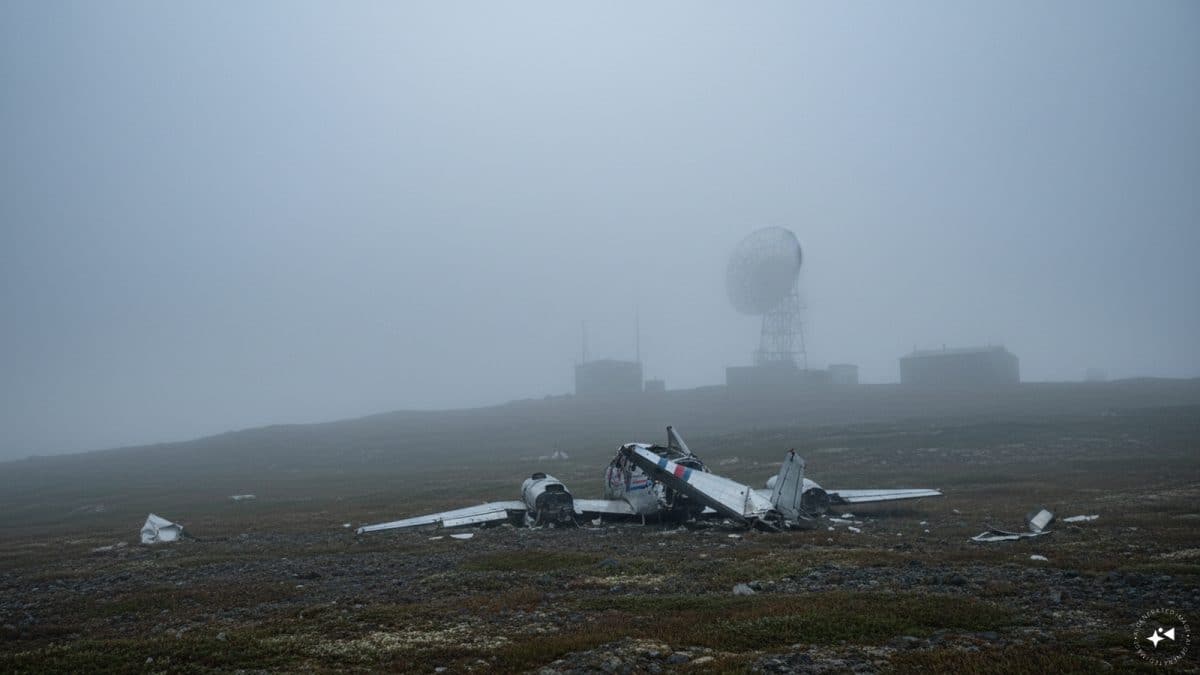
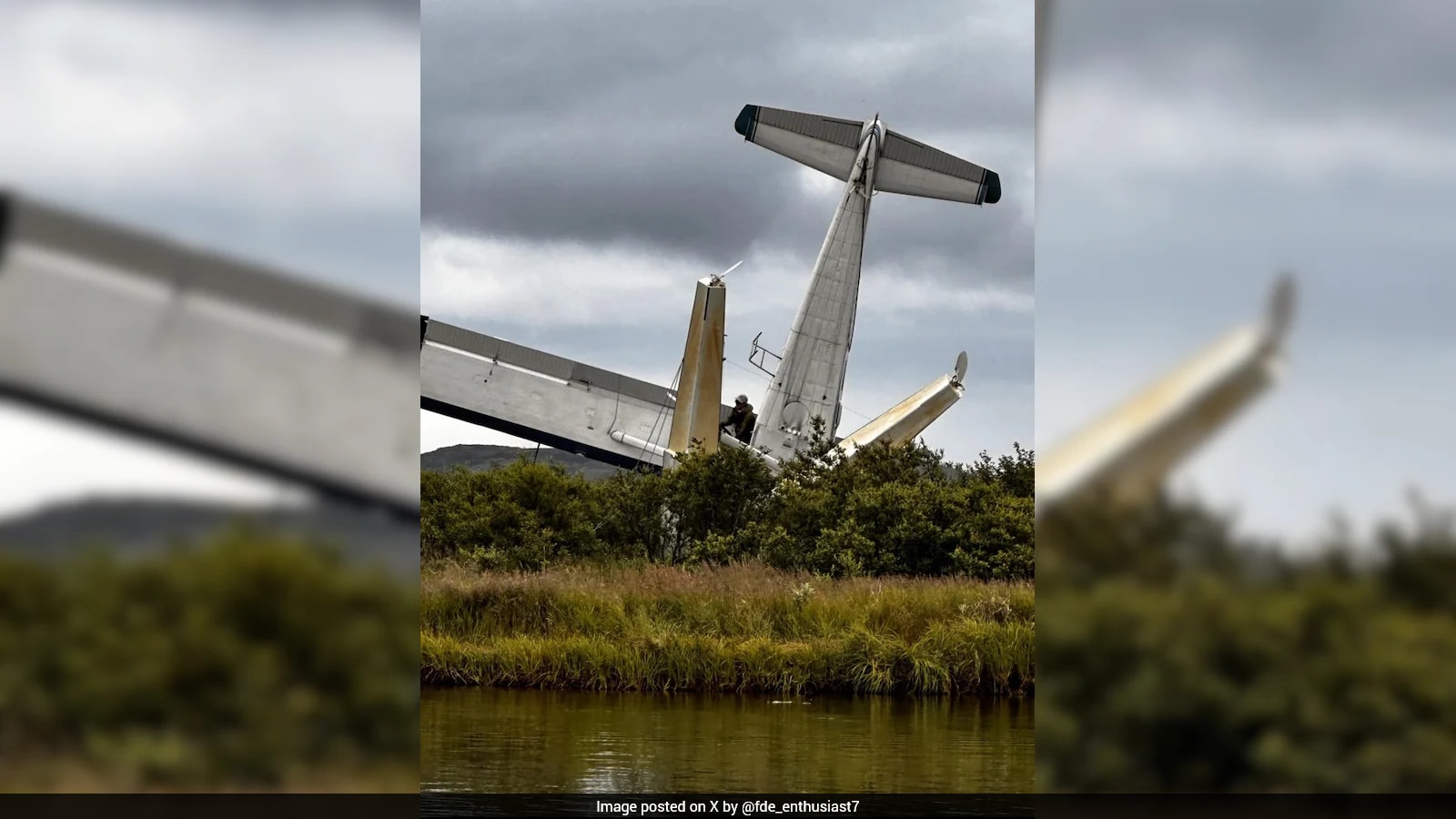
A Cessna 441 carrying two pilots and six passengers crashed near Cape Newenham in Alaska, killing everyone aboard.
The aircraft was attempting to land at a remote military radar-site airport in heavy fog and low cloud.
Pilots aborted the first landing attempt because they could not see the ground and were flying solely by instruments.
Air traffic controllers lost contact after the missed approach; the aircraft crashed west of the runway during a subsequent attempt.
The NTSB sent a six-member team, is reviewing weather and flight data, and expects a preliminary report within 30 days.
- Who
- Two pilots and six passengers were aboard a Cessna 441 operated by Security Aviation; two passengers were employees of the U.S. Army Corps of Engineers and two were employees of Calista Brice, according to the reports.
- What
- The aircraft crashed during or after a second landing attempt, killing all eight people aboard.
- Where
- West of Cape Newenham Long Range Radar Site Airport in Alaska, near a remote U.S. military radar station.
- When
- Thursday, August 20, 2026, at approximately 11:45 a.m. local time according to the NTSB; another FAA account gave approximately 12:15 p.m.
- Why
- The cause remains under investigation; officials reported heavy fog, low clouds, low visibility, mountainous terrain, and an aborted first landing attempt.
Key facts
- Aircraft
- Cessna 441 twin-engine turboprop
- Operator
- Security Aviation, operating the flight as an air taxi
- Charterer
- U.S. Army Corps of Engineers
- People aboard
- Two pilots and six passengers; no survivors
- Route
- Ted Stevens Anchorage International Airport to Cape Newenham Long Range Radar Site Airport
- Conditions
- Fog, clouds, low cloud ceiling, and limited visibility
- Investigation
- The NTSB deployed a six-member team and expects a preliminary report within 30 days
- Recovery
- Steep, mountainous terrain at the wreckage site requires helicopter recovery
Quotes

Lisa Murkowski
U.S. senator from Alaska
“I’ve travelled extensively with Security Aviation throughout Alaska, and have met many of their experienced pilots. I appreciate the U.S. Coast Guard, NTSB, Alaska State Troopers, and the Rescue Coordination Center for responding to the site.”
 financialexpress.com
“This is a devastating loss for our military family and the communities we serve. These individuals were dedicated professionals carrying out a vital mission in a demanding environment.”
 livemint.com
Sources

Related news

Alaska Plane Crashes During Second Foggy Approach, Killing Eight
Eight Killed in Aircraft Crash Near Remote Alaska Radar Site
Eight Killed in Charter Crash at Remote Alaska Radar Site
Charter Plane Carrying Eight Crashes Near Cape Newenham Radar Site

Four People Die as Small Plane Crashes Near Alaska Town

Three Alaska Plane Crash Victims Identified, Including Military Personnel

Iran War Strains US Forces as Commanders Resist Deployment Extensions

Officer Facing Three Charges After Calling for Trump Impeachment

Ratcliffe's Reported Moscow Visit Raises Questions Amid Stalled Ukraine Talks

US Military Transport Plane Lands in Moscow Amid Uncertainty