

1 week ago
Alaska Plane Crashes During Second Foggy Approach, Killing Eight

A small airplane crashed in a remote part of Alaska.
All eight people on the plane died.
The pilots were trying to land at a gravel runway surrounded by mountains.
Thick fog made it hard or impossible for them to see the runway.
They first had to stop one landing attempt because visibility was too poor.
The plane crashed while trying a second time.
Investigators are going to the crash site to learn what happened.
The weather changed quickly, with visibility becoming less than one-quarter mile after the crash.
Officials have not yet announced a final cause.

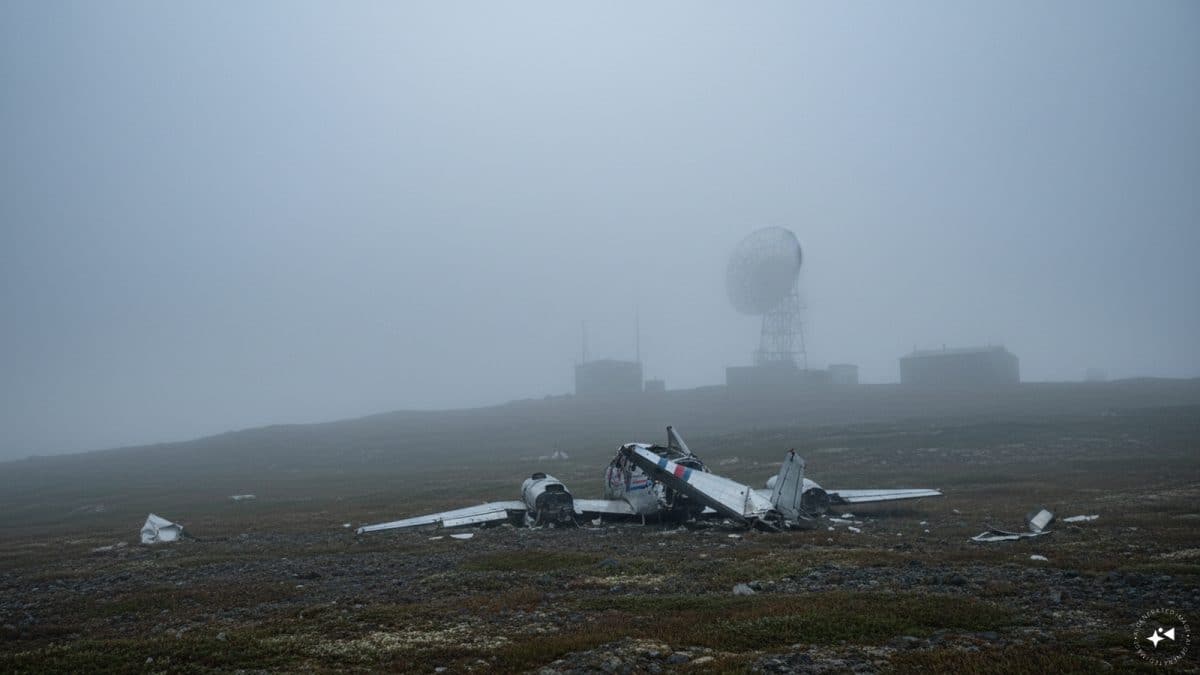
A twin-engine Cessna crashed Thursday near the Cape Newenham radar site in western Alaska, killing all eight people aboard.
The aircraft was making its second approach in heavy fog after pilots could not see the gravel runway.
The pilots were flying solely by instruments and lost contact about one-third of a mile from the runway.
Those killed included two pilots, two U.S. Army Corps of Engineers employees and four contractors.
National Transportation Safety Board investigators were traveling to the remote site as officials examined the changing weather and flight path.
- Who
- Eight people: two pilots, two U.S. Army Corps of Engineers employees and four contractors.
- What
- A twin-engine Cessna 441 crashed during its second runway approach, killing everyone aboard.
- Where
- Near a gravel airstrip at the Cape Newenham Long Range Radar Site in western Alaska, about 450 miles west of Anchorage.
- When
- About midday Thursday; the crash was reported by authorities Friday.
- Why
- The aircraft was attempting to land in rapidly changing heavy fog and low visibility; investigators have not determined a final cause.
Investigators’ Account
Former FAA Official’s Assessment
Whether the approach should have continued
Investigators’ Account
The National Transportation Safety Board said the pilots were making a second approach in heavy fog, could not see the gravel runway and were flying by instruments.
Former FAA Official’s Assessment
Mike O’Donnell, a former FAA official, said the reported conditions sounded bad enough that the pilots should have diverted and landed elsewhere.
Role of the weather
Investigators’ Account
Officials described rapidly changing conditions, including fog, a low cloud ceiling and a sharp reduction in reported visibility before and after the crash.
Former FAA Official’s Assessment
O’Donnell’s assessment suggests the deteriorating visibility made continuing the approach unsafe, but no final investigative conclusion has been announced.
Key facts
- Fatalities
- Eight people died; there were no survivors reported.
- Aircraft
- Twin-engine Cessna 441, also known as a Cessna Conquest.
- Operator
- Security Aviation, an Anchorage-based charter company.
- Crash location
- Cape Newenham Long Range Radar Site, about 450 miles (725 kilometers) west of Anchorage.
- Approach
- The aircraft crashed during its second approach, about one-third of a mile (0.5 kilometers) from the runway.
- Weather
- Visibility reportedly fell from about 10 miles to less than one-quarter mile in roughly 15 minutes.
- Investigation
- The National Transportation Safety Board was sending investigators to the scene.
Quotes

Robert Davis
U.S. Air Force lieutenant general and commander of Alaskan Command, the Alaskan NORAD Region and Eleventh Air Force
“dedicated professionals carrying out a vital mission in a demanding environment”
 NDTV
NDTV
“This is a devastating loss for our military family and the communities we serve”
NDTV
Sources
Related news

NTSB Says Alaska Plane Crashed During Second Landing Attempt
Eight Killed in Aircraft Crash Near Remote Alaska Radar Site

Eight Killed in Charter Crash at Remote Alaska Radar Site
Charter Plane Carrying Eight Crashes Near Cape Newenham Radar Site

Four People Die as Small Plane Crashes Near Alaska Town
