2 hrs ago
Cardiologist Explains When Protein Shakes May Be Needed
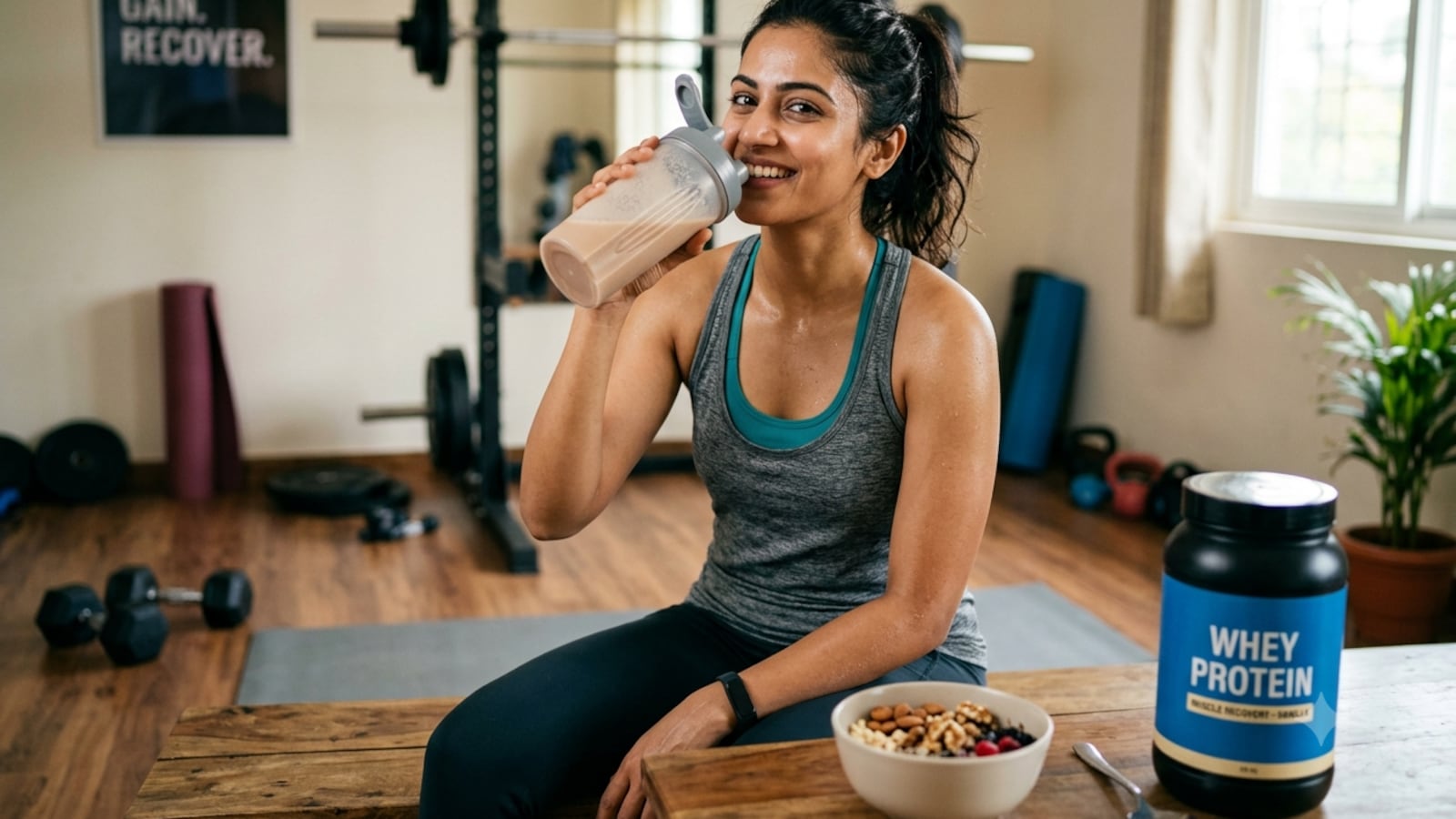
Protein helps your body grow and repair muscles.
Dr. Alok Chopra says most healthy people do not need protein shakes every day.
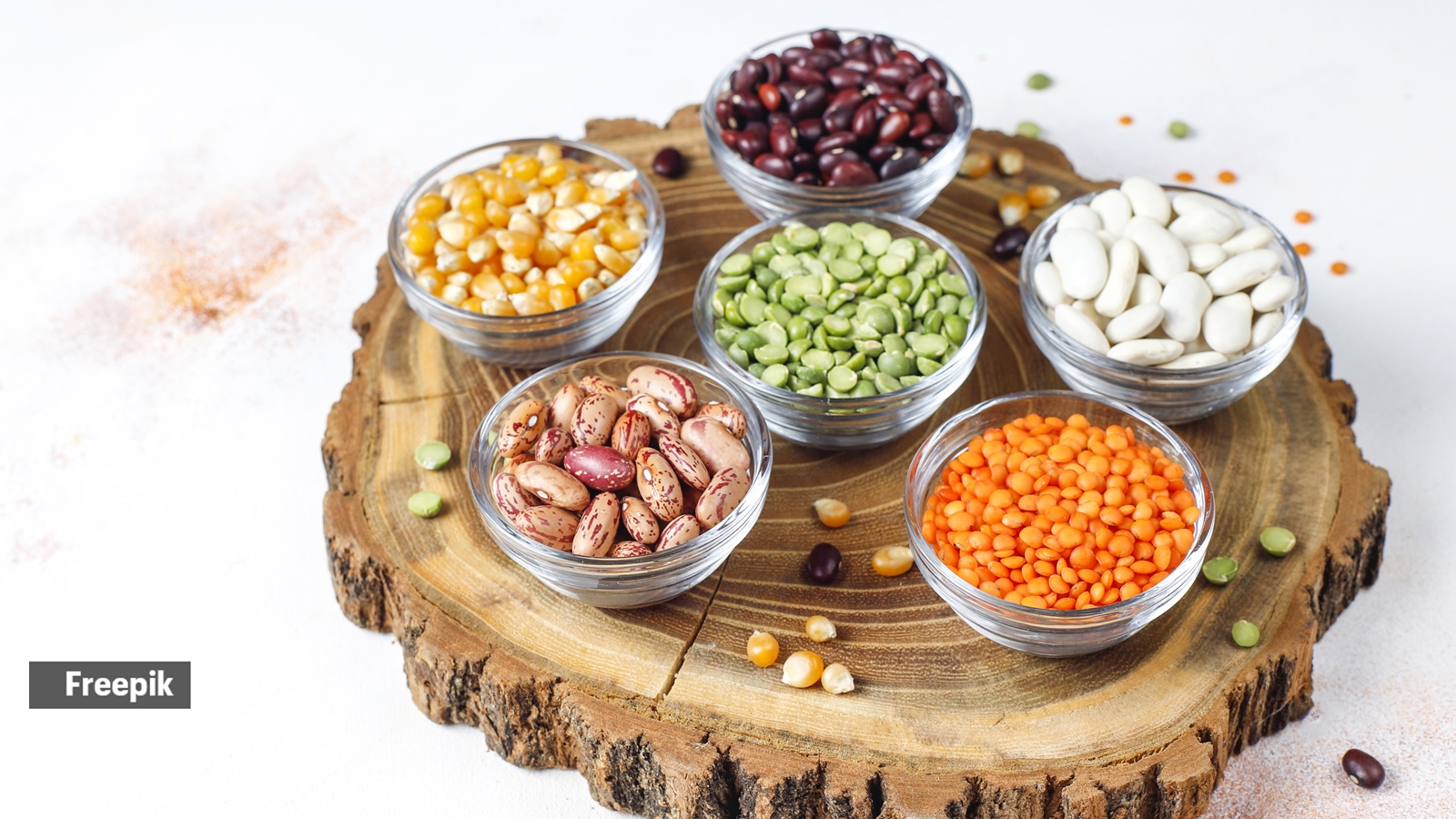
They can get protein from foods such as eggs, fish, lentils, beans, tofu, yogurt, nuts, and seeds.
A sedentary adult usually needs about 0.8 grams of protein for each kilogram of body weight per day.
People who exercise a lot may need more.
Drinking too much protein can make a diet less balanced and may cause problems such as bloating or constipation.
It may also increase the work kidneys do to filter waste.
Protein shakes are not always bad, but they may be useful when serious athletes cannot get enough protein from food.
People should check supplement ingredients and ask a doctor about their needs.

Dr. Alok Chopra says most healthy people can meet protein needs through a balanced diet without shakes.
Sedentary adults generally need about 0.8 grams of protein per kilogram of body weight daily.
Active people, older adults, pregnant people, and those with specific needs may require more protein.
Excessive protein intake may increase kidney workload and contribute to dehydration, kidney stones, gout, bloating, or constipation.
Protein supplements may help serious strength trainers who cannot meet higher requirements through whole foods.
- Who
- Cardiologist Dr. Alok Chopra and people considering protein supplements.
- What
- Dr. Chopra advised that most healthy people do not need protein shakes and explained protein requirements, food sources, and possible risks of excess intake.
- Where
- On Instagram, with the guidance reported by NDTV.
- When
- The advice was shared in an Instagram video; the article does not provide a specific date.
- Why
- To explain that protein needs can usually be met through whole foods and that supplements may be appropriate only for people with higher requirements who cannot meet them through diet.
Limit Routine Supplement Use
Use Supplements When Necessary
Daily protein shakes
Limit Routine Supplement Use
Most healthy people can meet their protein requirements through a balanced diet, so shakes should not be taken simply because someone at a gym recommends them.
Use Supplements When Necessary
Protein supplements can be useful for people with higher requirements who genuinely cannot obtain enough protein from whole foods.
Risks and benefits
Limit Routine Supplement Use
Excessive protein may increase kidney workload, contribute to dehydration, kidney stones, gout, digestive problems, and an imbalance of other nutrients.
Use Supplements When Necessary
A good-quality supplement may help serious strength trainers meet increased protein needs when food alone is impractical or insufficient.
Key facts
- Sedentary adult protein target
- About 0.8 grams per kilogram of body weight per day
- Moderate exercise target
- About 1.0 to 1.3 grams per kilogram per day
- Intense training target
- About 1.6 to 2.0 grams per kilogram per day
- Suggested whole-food sources
- Eggs, chicken, fish, seafood, lean meat, dal, paneer, tofu, tempeh, yogurt, beans, lentils, nuts, seeds, and millets
- Possible effects of excess intake
- Increased kidney filtration load, dehydration, kidney stones, gout, bloating, constipation, and nutrient imbalance
- When supplements may help
- For serious strength trainers or others with higher protein needs who cannot meet them through food
- Protein per meal
- Dr. Chopra says roughly 20 to 50 grams of good-quality protein in a meal is often enough to strongly stimulate muscle protein synthesis
Quotes
Dr. Alok Chopra
Cardiologist who discusses protein requirements and supplementation in an Instagram video.
“No, if you are doing serious strength training and your protein requirement is higher, and you genuinely cannot meet it through food, then yes, a good quality protein supplement can help.”
 NDTV
NDTV
“Do not have protein shakes. Protein is important, but please do not start taking protein shakes simply because someone at the gym told you to.”
NDTV
Sources
Related news

How Much Protein Is Too Much for Daily Health

Doctors Warn Women Against Excessive Protein Amid Wellness Boom
Doctor Lists Five Warning Signs of Excessive Protein Intake

Excess Protein May Cause Digestive Symptoms and Stall Fat Loss
Low Protein Intake May Show Signs Beyond Muscle Loss
Why High-Protein Diets May Leave You Feeling Thirstier

UAE Company Owner Gifts Employees iPhones in Viral Video

Two Minors Found Hanging From Tree in Uttar Pradesh’s Hardoi

Travel Creator Turns Passion Into Career, Earning Per Trip

Delhi’s Chubby Dogs Compete In Viral Instagram Contest