1 day ago
Literature and History Draw Power From Different Strengths
Su.
Venkatesan says stories can sometimes affect people more deeply than history books.
He gives the example of one story by Saadat Hasan Manto about Partition.
He believes writers can use history to make stories more meaningful.
An editorial argues that history is not just a background for stories.
It can become part of the story itself.
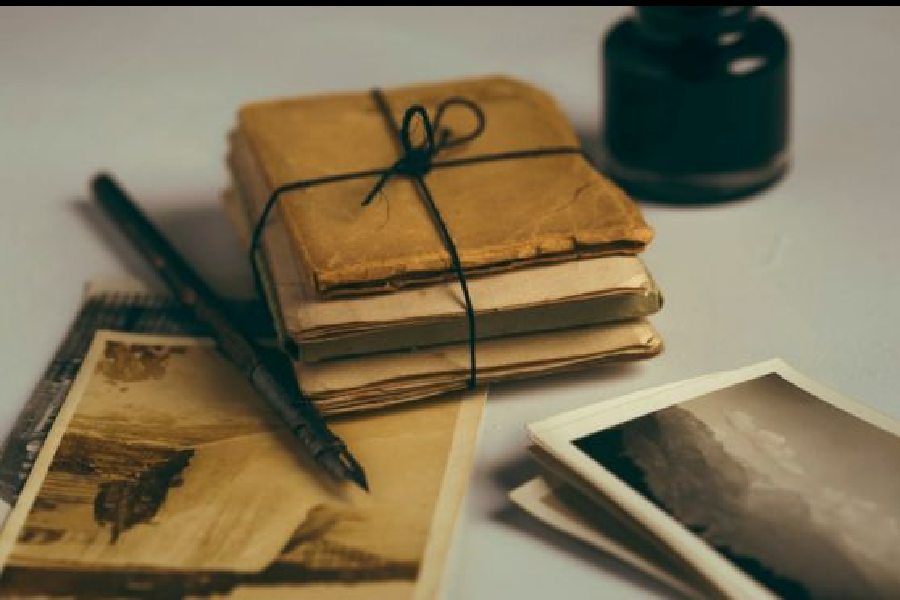
History can be found in letters, oral accounts, and many other sources.
Literature helps people understand feelings and imagination.
History helps people understand the past and the present.
Both are powerful, but they work in different ways.

Su. Venkatesan argues that literature can create a stronger emotional impact than historical accounts.
Venkatesan says history can provide a backdrop for stories and connect contemporary people with the past.
The editorial argues that history becomes part of a story rather than serving merely as a tool or backdrop.
It notes that historical sources include varied forms such as letters and oral histories, not only data.
The editorial concludes that literature and history are independently powerful fields that can enrich each other.
- Who
- Su. Venkatesan, a Sahitya Akademi award-winning writer and member of Parliament from Tamil Nadu, is discussed in the editorial.
- What
- The editorial examines whether literature is more powerful than history and argues that the two fields have different but complementary strengths.
- Where
- The discussion concerns literature, history, and Venkatesan’s writing, including his connection to Tamil Nadu.
- When
- The article does not specify a publication date or particular time for the discussion.
- Why
- The issue is examined to clarify how literature and history create knowledge, emotional impact, and understanding in different ways.
Literature’s Greater Emotional Power
Independent and Complementary Fields
Relative impact
Literature’s Greater Emotional Power
Su. Venkatesan argues that literature can produce a more immense emotional impact than historical accounts, citing Saadat Hasan Manto’s Partition story.
Independent and Complementary Fields
The editorial rejects ranking the two simply by power, saying each is powerful within its own field of appeal.
History’s role in stories
Literature’s Greater Emotional Power
Venkatesan describes history as a tool or backdrop for presenting stories about contemporary people and recurring human emotions.
Independent and Complementary Fields
The editorial argues that history blends into stories and helps portray the civilisation and society of the period, rather than remaining only a backdrop.
Nature of knowledge
Literature’s Greater Emotional Power
Venkatesan contrasts literature’s broad emotional effect with history told through a few pieces of data.
Independent and Complementary Fields
The editorial says history involves varied sources, scholarly debate, and different forms of imagination, while literature and history can also borrow from each other.
Key facts
- Central question
- Whether literature is more powerful than history
- Venkatesan’s view
- Literature can have a greater emotional impact, using history as a tool
- Example cited
- A story by Saadat Hasan Manto is contrasted with many history books on Partition
- Historical fiction
- Venkatesan said his second novel covered knowledge ranging from astronomy to maritime wisdom and flora
- Historical sources
- The editorial mentions letters from ordinary people and oral history as important forms of historical material
- Literature’s role
- It reveals imagination and captures varied human experience
- History’s role
- It provides knowledge of the past and helps explain the present
Sources
Related news
Udayan Vajpeyi on Literature, Science, Memory and the Eternal

Kunal Kamra clarifies history mythology views after Lie Hard appearance

Letters Debate Dog Breeding, Protest Rights, Literature, and Teaching

Book Traces India’s Forests Through Literature, Politics, and Ecology
Poems Revisit Icons, History, Love, Grief, and Exclusion

Memoirs Turn Personal Stories Into Public Battles Over Memory