1 hr ago
Europe Raises Hybrid Threat Alarm as NATO Rejects Imminent Attack

European leaders are worried that Russia might try to cause problems in countries supporting Ukraine.
These problems could include cyberattacks, sabotage, disinformation, or drones entering airspace.
Poland’s leader warned that Russia might test whether NATO countries would defend one another.
France, the Netherlands and Finland also said people should take the risks seriously.
NATO agrees that hybrid activities are a growing concern.
However, NATO says there is no evidence that Russia is about to launch a regular military attack on its members.
Countries such as Germany and Lithuania are improving emergency plans and exercises.
The United Kingdom says it is ready to help defend NATO territory.
The main focus is preparation and deterrence, not confirmation that a major war is about to begin.

European leaders warned that Russia could expand hybrid operations, including possible drone and missile incidents targeting NATO supporters of Ukraine.
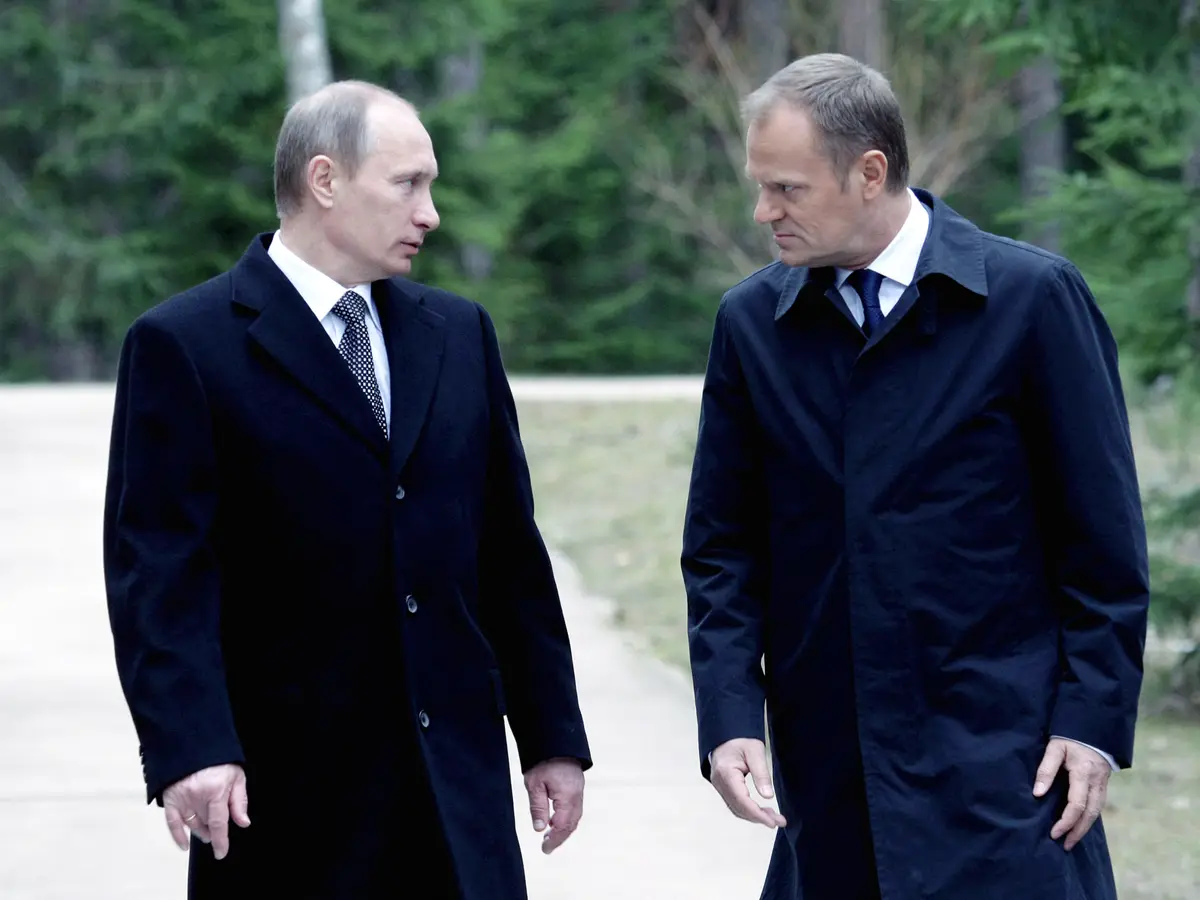
Polish Prime Minister Donald Tusk said potential attacks could be presented as accidents to test and weaken NATO’s response.
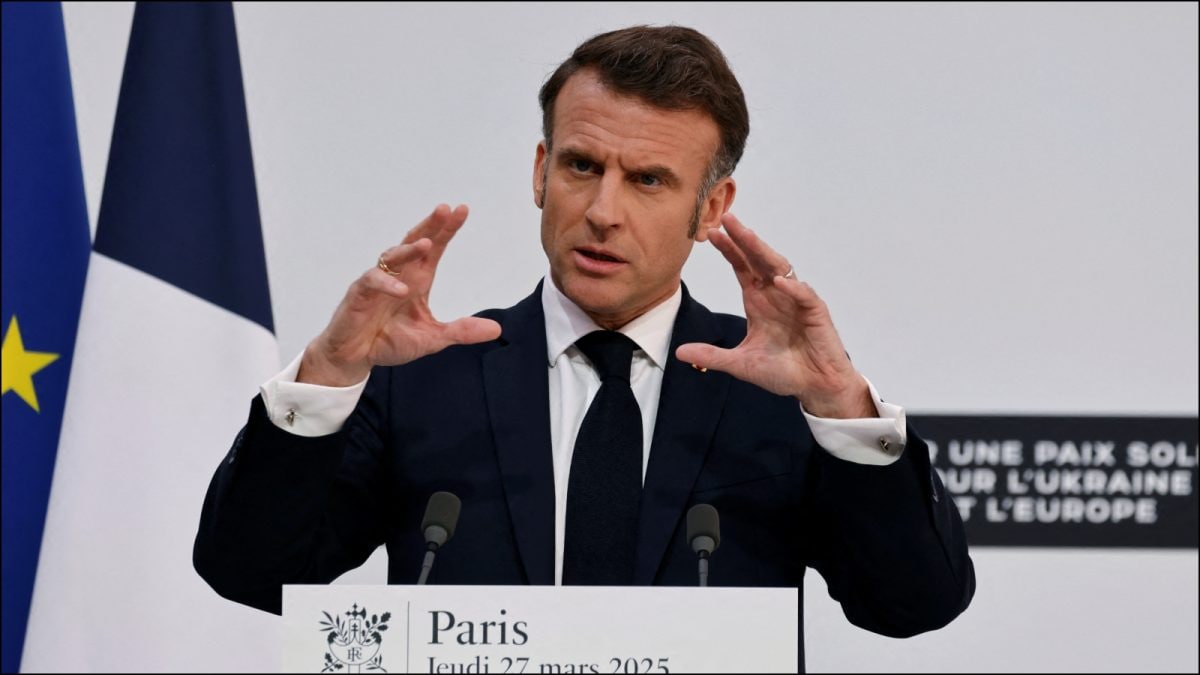
French President Emmanuel Macron described Russia’s hybrid threat as intensified, while Dutch and Finnish leaders urged vigilance.
NATO said it sees no evidence of an imminent conventional attack against alliance territory, while reaffirming its defense commitment.
Germany, Lithuania and other countries are strengthening medical, evacuation and civil-defense preparations amid continuing concerns over the Ukraine war.
- Who
- European leaders, NATO, and governments including Poland, France, the Netherlands, Finland, Germany, Lithuania and the United Kingdom.
- What
- Officials warned about possible Russian hybrid operations while NATO said there was no evidence of an imminent conventional attack on alliance territory.
- Where
- Across Europe, including NATO’s eastern flank and countries supporting Ukraine.
- When
- Warnings were reported on Thursday, September 17, and Friday, September 18; preparedness efforts are ongoing.
- Why
- Governments are responding to concerns about sabotage, airspace violations, cyberattacks, disinformation and possible escalation from Russia’s war against Ukraine.
National Leaders’ Warnings
NATO’s Measured Assessment
Level of immediate danger
National Leaders’ Warnings
Leaders including Donald Tusk, Emmanuel Macron, Rob Jetten and Alexander Stubb urged heightened vigilance and warned that Russian hybrid activity could intensify or cause incidents.
NATO’s Measured Assessment
NATO distinguishes the increase in hybrid activity from an imminent conventional military attack and says there is no evidence of one.
Purpose of preparedness
National Leaders’ Warnings
European governments argue that stronger civil, medical and military preparations are needed to deter possible attacks and protect infrastructure.
NATO’s Measured Assessment
NATO and the United Kingdom frame preparations as deterrence, collective defense and contingency planning rather than evidence that direct confrontation is imminent.
Key facts
- Main concern
- Potential Russian hybrid operations, including sabotage, cyberattacks, disinformation, drone incursions and infrastructure damage.
- Polish warning
- Donald Tusk said possible drone or missile attacks could be portrayed as accidental and used to test NATO’s resolve.
- NATO assessment
- NATO says there is no evidence of an imminent conventional attack against member territory.
- French response
- Emmanuel Macron said Russia’s hybrid threat had intensified and announced an initiative to protect critical infrastructure.
- Preparedness measures
- Germany is examining hospital and emergency medical capacity, while Lithuania and other countries have updated evacuation plans and held civil-defense exercises.
- Military readiness
- NATO forces have conducted exercises in the Baltic region.
- United Kingdom position
- The UK Ministry of Defence said Britain was ready to defend every inch of NATO territory alongside its allies.
Sources
Related news
Macron Warns Europe of Intensifying Russian Hybrid Threat
Polish PM Warns Russia May Stage ‘Accidental’ Strikes on NATO
Europe Confronts Russia’s Alleged Hybrid Warfare and NATO Strains
Europe Struggles to Respond as Russia Escalates Hybrid Attacks
NATO Chief Vows Support After Russian Strikes Near Polish Border
Trump and Kremlin Downplay Fears of Russian NATO Attack
Rajnath Singh Says Modinomics and UPI Transformed India’s Growth Story
Canada Plans Trade Diversification Amid Trump's Tariff Escalation
Canada Seeks Unique EU Alliance Amid Escalating US Trade War