

4 hrs ago
How the Russian and Chinese Revolutions Reshaped Modern Politics
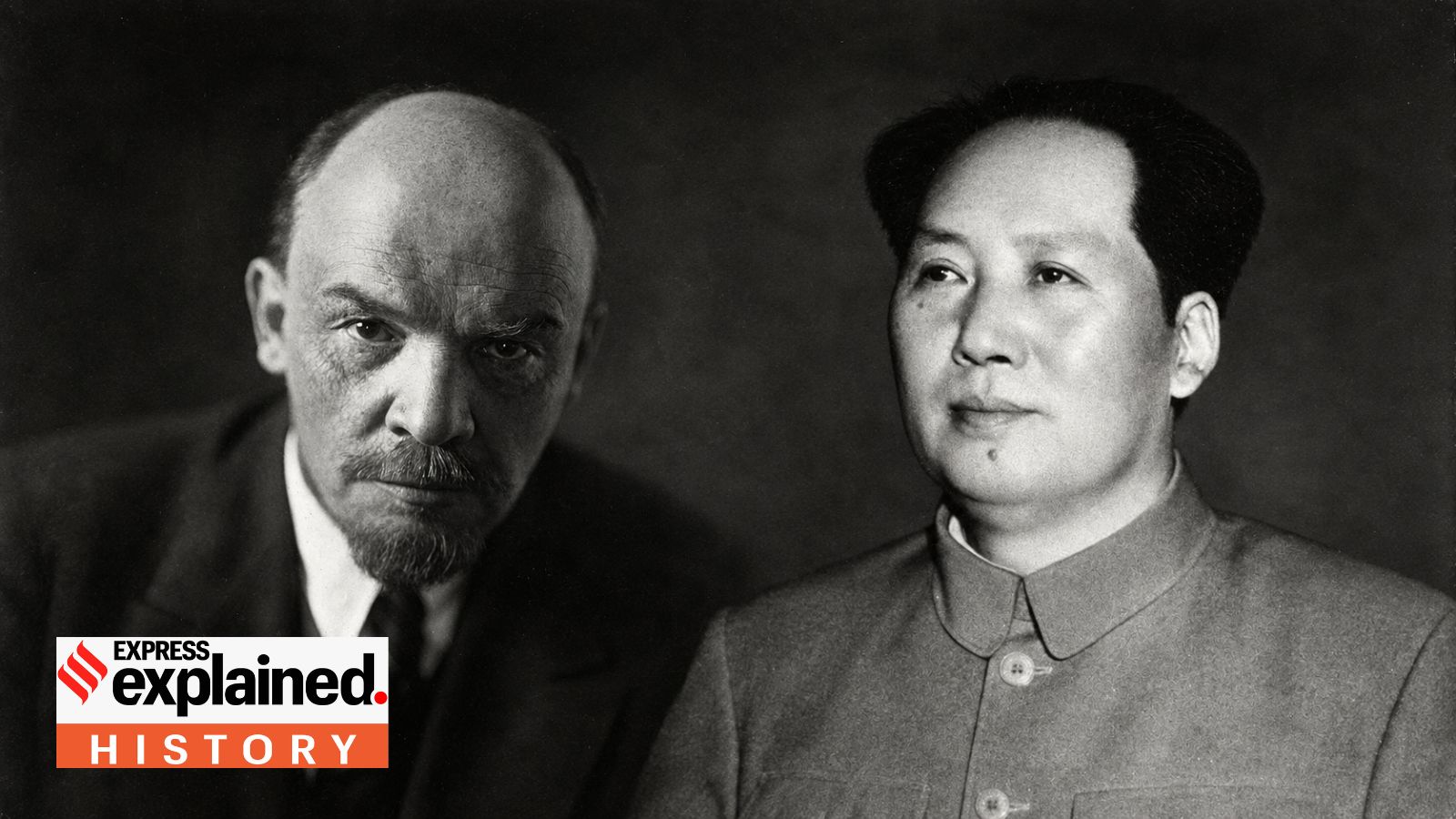
In 1917, revolutionaries took power in Russia during a time of war and hardship.
They promised changes involving peace, land and workers.
In 1949, Mao Zedong announced the creation of the People’s Republic of China.
China’s revolution relied heavily on farmers and rural communities, while Russia’s centred more on workers, soldiers and councils.
The revolutions inspired people around the world to imagine different ways of organizing society and challenging colonial rule.
They also brought serious suffering, including famine and political violence.
The Soviet Union later ended, while China changed its economic approach.
The article says the revolutions still matter because they raised questions about inequality, power and people’s rights.

The Bolsheviks seized power in Petrograd in October 1917 by the Julian calendar, an event dated November 7–8 on the Gregorian calendar.
Mao Zedong proclaimed the People’s Republic of China on October 1, 1949, after decades of upheaval and civil war.
The Russian Revolution established a durable state founded in the name of Marxist socialism; the Chinese Revolution adapted Marxism to an agrarian society.
Both revolutions influenced debates about labour, land, welfare, anti-colonialism and national sovereignty, including in India.
Their legacies include social and political changes as well as severe suffering, and the article notes that the Soviet Union dissolved in 1991 while China’s political and economic form changed.
- Who
- Bolsheviks led by Vladimir Ilyich Lenin in Russia, and Chinese communists led by Mao Zedong.
- What
- The Russian Revolution of 1917 and the Chinese Revolution culminating in the proclamation of the People’s Republic of China.
- Where
- Petrograd, Russia, and Beijing, China.
- When
- October 1917 by Russia’s Julian calendar, and October 1, 1949, in China.
- Why
- The revolutions emerged from distinct political and social upheavals and sought to remake political power and society.
Supporters’ interpretations
Critics’ interpretations
The 1917 Bolshevik seizure of power
Supporters’ interpretations
Supporters saw October as transferring power to workers and peasants.
Critics’ interpretations
Critics saw it as a seizure of power by a disciplined minority that led to one-party rule.
Revolutionary achievements and costs
Supporters’ interpretations
The article notes advances associated with the Soviet and Chinese experiments, including literacy, education, industrialisation, land reform and public health.
Critics’ interpretations
It also describes forced collectivisation, famine, political terror and other violence and upheaval as inseparable parts of their histories.
Key facts
- Bolshevik seizure of power
- October 25–26, 1917, on the Julian calendar; November 7–8 on the Gregorian calendar.
- Chinese proclamation
- Mao Zedong proclaimed the People’s Republic of China on October 1, 1949.
- Chinese Communist Party founded
- 1921.
- Long March
- The communist forces’ retreat took place in 1934–35.
- Soviet Union
- The Soviet Union disappeared in 1991.
- India’s political model
- India chose parliamentary democracy and a mixed economy rather than the Soviet or Chinese model.
- India-China conflict
- The article says the optimism following the countries’ early relationship was shattered by the 1962 conflict.
Quotes

Vladimir Ilyich Lenin
Bolshevik leader who returned from exile in 1917 and called for power to pass to the soviets.
“all power to the soviets”
 indianexpress.com
Sources
Related news
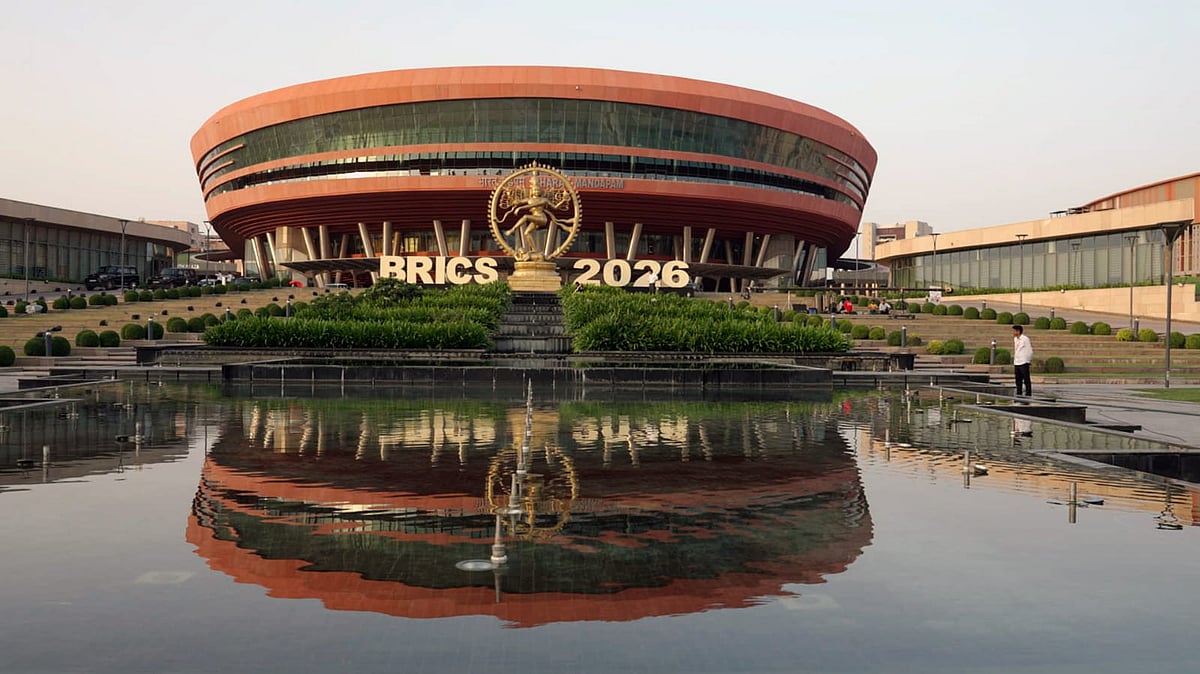
BRICS Summit Highlights China-India Role in Multipolar Order

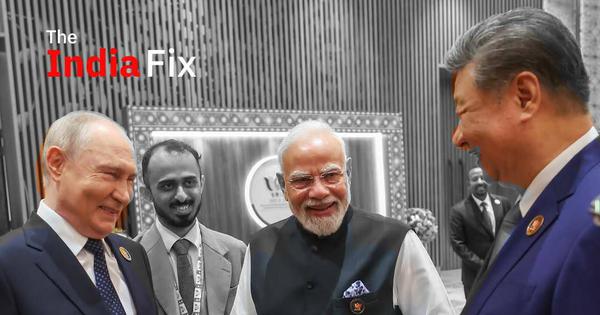
Xi and Modi Call for China-India Cooperation at Bilateral Meet
Vince Cable Says BRICS Is Challenging Dollar Dominance
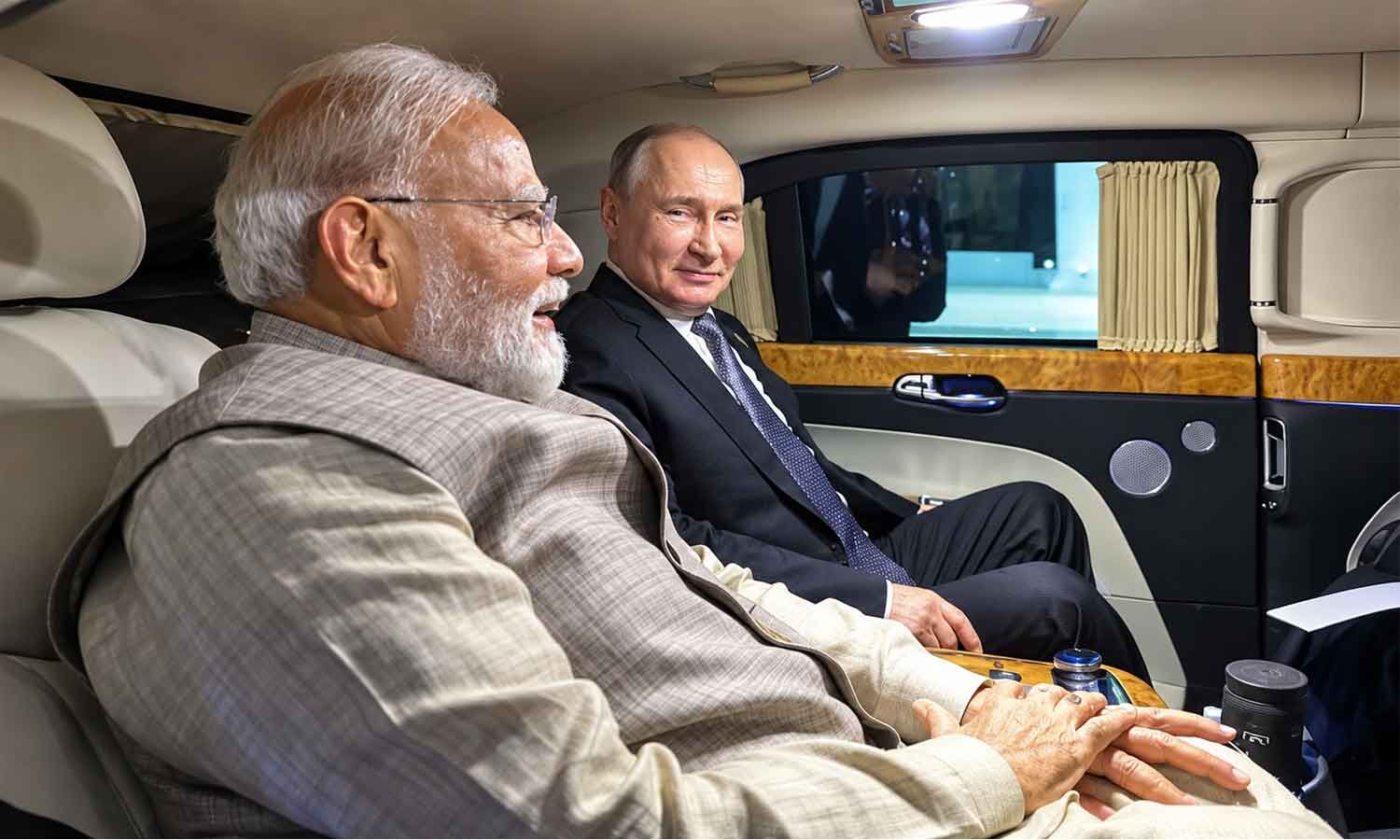
Modi and Putin’s New Delhi Car Diplomacy Draws Attention
Wars and Power Shifts Shape the World’s Future Order

Modi and Xi Offer Help With Russia-Ukraine Peace Efforts
Taiwan Challenges Beijing’s World War Two Narrative After Xi-Trump Summit
Xi and Trump Highlight Cooperation Amid Continuing US-China Tensions

Why Taiwan Remains a Crucial and Sensitive Issue for China
Ex-Colonel Says India Faces More Than China and Pakistan
