

1 hr ago
Wars and Power Shifts Shape the World’s Future Order
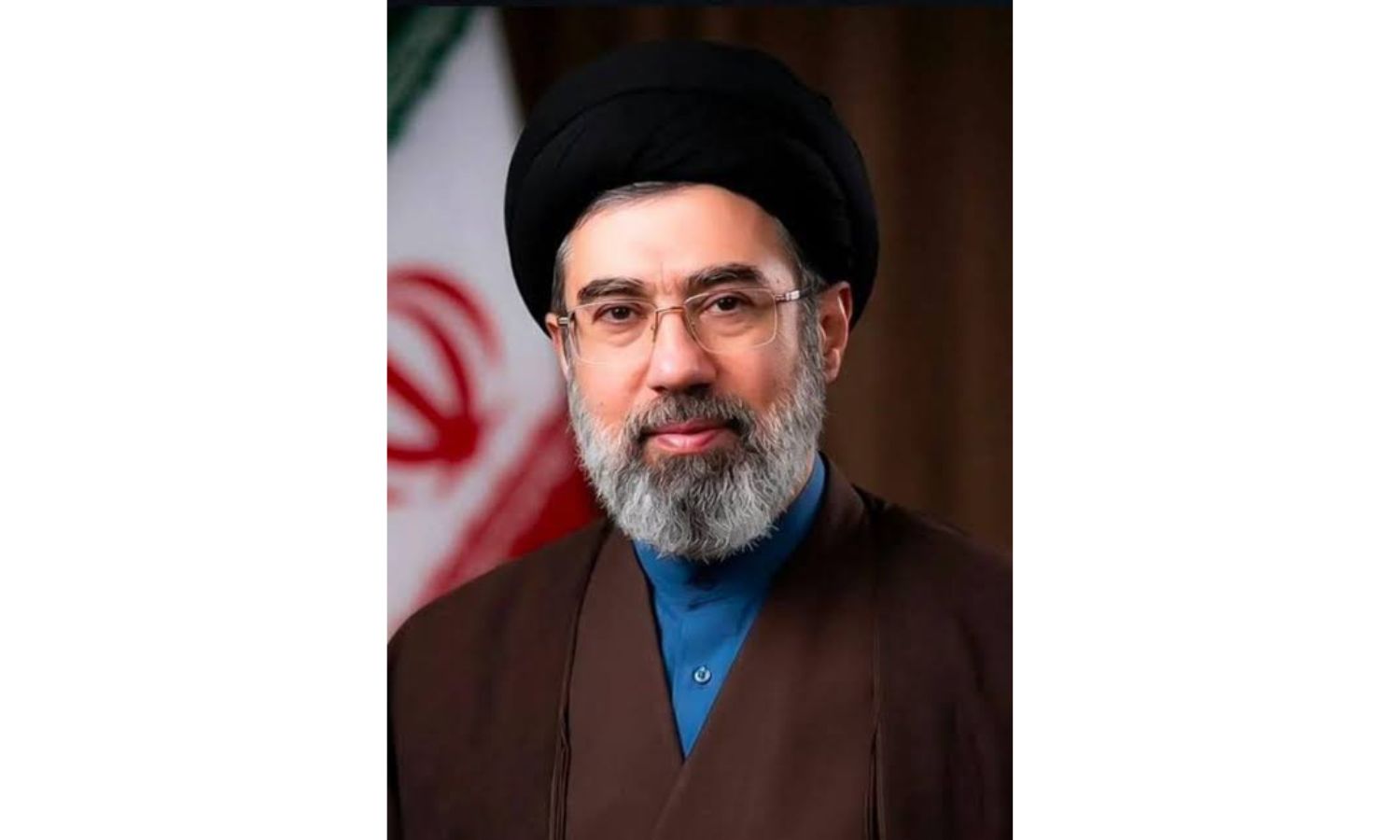
The article looks at how wars and competition between powerful countries may change the world.
It begins with a Shanghai Cooperation Organisation meeting in Bishkek, Kyrgyzstan.
Russia and Ukraine have been fighting since Russia invaded Ukraine in February 2022.
The article says the fighting has become a slow battle of attrition, with very large losses on both sides.
It also discusses conflicts involving Iran, Israel, Gaza, Lebanon and Yemen.
The author says the way these conflicts end could change security in Europe and the Middle East.
China and the United States are competing over factories, technology and scientific leadership.
China is described as trying to become a technology leader, while the United States is trying to rebuild manufacturing.
The article argues that these wars and rivalries will influence the world order for many years.

The Shanghai Cooperation Organisation summit in Bishkek adopted a declaration and 27 other documents while highlighting global power shifts.
The article says Russia controls nearly 20% of Ukraine after its 2022 invasion, while the front line has largely stalled in attritional warfare.
A cited Center for Strategic and International Studies estimate puts combined Russian and Ukrainian casualties above two million through June 2026.
The article describes continuing conflicts involving Iran, Israel, Lebanon, Gaza and Yemen, with reported casualties across the region.
China and the United States are portrayed as competing to lead manufacturing, innovation and critical technologies, while India appears as an outlier within the SCO framework.
- Who
- The Shanghai Cooperation Organisation’s member states, especially Russia, China, Iran and India, along with the United States, Ukraine, Israel and regional actors, are central to the article.
- What
- The article examines wars, military casualties and technological competition that it says are reshaping global power and security arrangements.
- Where
- The summit took place in Bishkek, Kyrgyzstan; the conflicts discussed involve Ukraine, Iran, Lebanon, Gaza and Yemen, while the technology competition centers on China and the United States.
- When
- The summit had recently concluded; the article discusses events from Russia’s February 2022 invasion of Ukraine through estimates covering June 2026, as well as regional conflicts through 2026.
- Why
- The author argues that the outcomes of these wars and the United States-China technology and manufacturing rivalry will shape European security, Middle Eastern geopolitics and the wider world order.
Concerns and criticisms
Strategic positions described
Russia-Ukraine war
Concerns and criticisms
The article characterizes Russia’s invasion as an unnecessary violation of Ukrainian sovereignty and says Ukrainian asymmetric warfare has stalled Russia’s advance.
Strategic positions described
Russia is described as having occupied substantial Ukrainian territory, while the article presents the conflict’s possible battlefield or negotiated outcome as decisive for future European security.
United States-China competition
Concerns and criticisms
The article warns that dependence on either American technology or Chinese manufacturing could become a strategic vulnerability.
Strategic positions described
China is portrayed as seeking leadership in innovation and critical technologies, while the United States is trying to restore its manufacturing base and reduce reliance on Chinese production.
Shanghai Cooperation Organisation
Concerns and criticisms
The article suggests the SCO’s broad global vision is weakened by the heterogeneous agendas of its members.
Strategic positions described
The summit is presented as a platform through which members can articulate an alternative global vision to the United States.
Key facts
- Summit location
- Bishkek, the capital of Kyrgyzstan
- Summit documents
- A declaration and 27 other documents were adopted
- Ukraine territory cited
- Russia is described as occupying nearly 20% of Ukraine, or about 126,000 square kilometres
- Ukraine war casualties
- A cited CSIS estimate says combined Russian and Ukrainian casualties exceeded two million between February 2022 and June 2026
- Gaza casualties cited
- Statista figures cited by the article report 72,945 deaths and 172,484 injuries through June 2026
- Lebanon casualties cited
- The Lebanese health ministry reportedly recorded 8,920 deaths and 30,559 injuries from October 8, 2023, to September 1, 2026
- Critical technologies
- The article says China leads in 67 of 75 critical Fourth Industrial Revolution technologies
Quotes
Centre for Strategic and International Studies
Think tank whose casualty estimate is cited in the article
“For much of the war, the Russia-Ukraine casualty ratio was between 2:1 and 3:1 (between two and three Russian casualties for every one Ukrainian casualty), though the rate has likely risen to nearly 8:1 in the first half of 2026…”
 deccanchronicle.com
“Ukrainian forces have suffered somewhere between 5,25,000 and 6,25,000 casualties (killed, wounded and missing) and between 1,25,000 and 1,50,000 fatalities between February 2022 and June 2026.”
deccanchronicle.com
Sources
Related news

Modi Urges Putin to End Russia-Ukraine War at SCO Summit
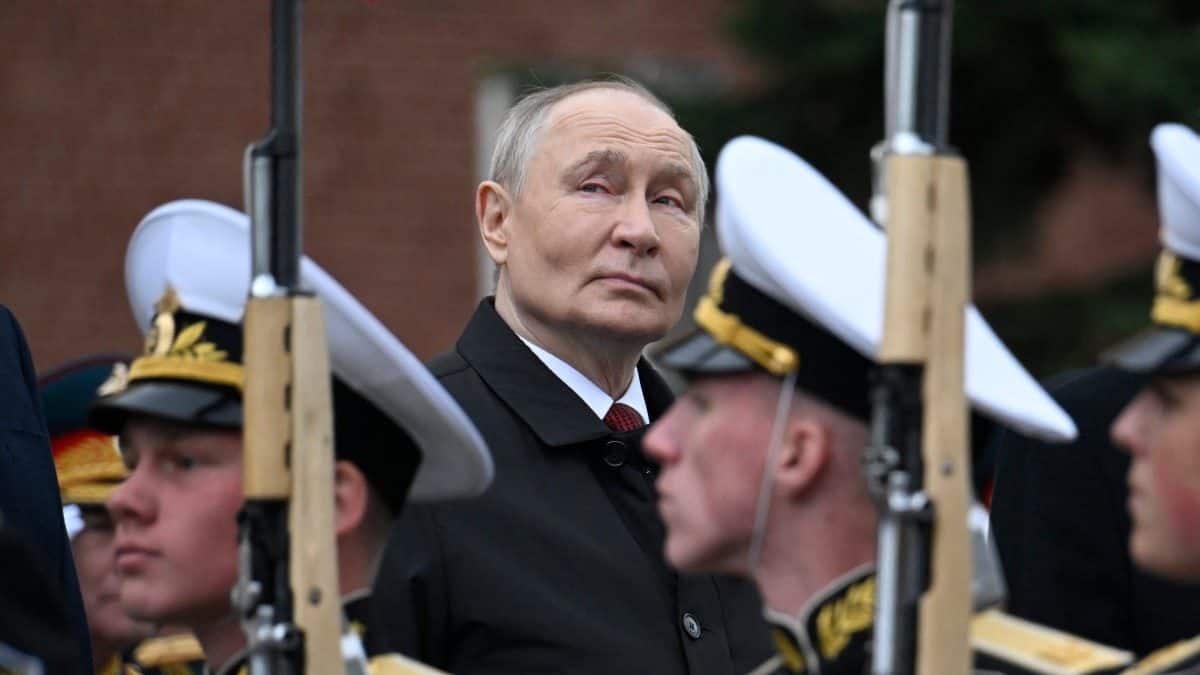
Russia can't win, won't stop: Plan D to outlast West

Modi at SCO Summit for Putin Talks, Likely Xi Meeting
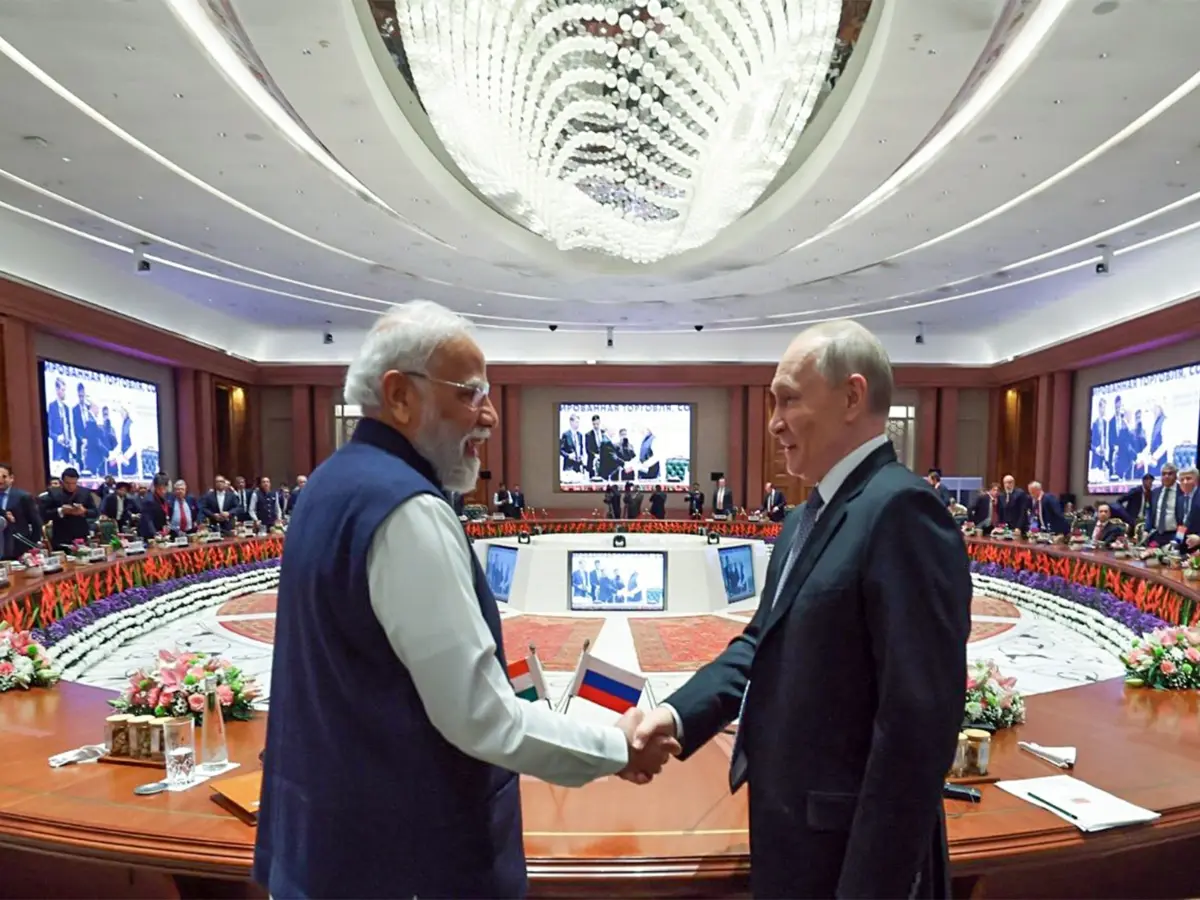
Putin, Modi, Xi and Pezeshkian Set for SCO Summit
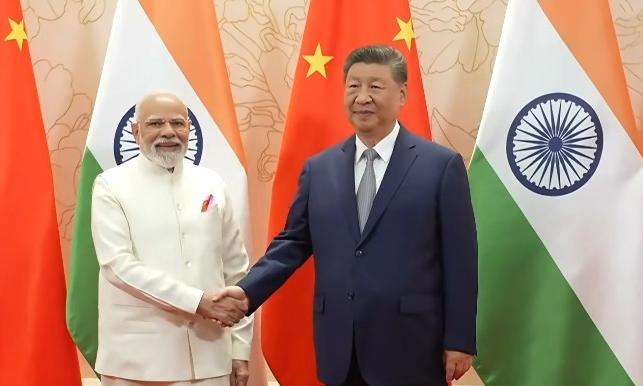
Modi-Xi Signals May Help Reset India-China Ties
Ukraine War Becomes a Contest of Endurance

Arctic Power Struggle Intensifies Among Russia, China and United States
Putin Orders Three-Day Kyiv Strike Halt Amid US Talks
Trump Sends Kushner and Witkoff on Russia-Ukraine Peace Mission

Trump Seeks European Repayment for US Ukraine Aid
