1 week ago
India’s Stronger Child-Data Law Awaits Enforcement as Meta Trial Opens

The United States is taking Meta to court over how its apps may affect children and teenagers.
One American law mainly protects children younger than 13.
India has a newer law that protects everyone younger than 18.
It says companies must check that a parent has given permission before processing a child’s data.
It also bans tracking children’s behavior and using it for targeted advertising.
However, India has not fully started enforcing this law because its detailed rules and consent-checking system are still being developed.
American states can ask a court to change how Meta’s products work, while India’s system mainly uses an administrative data-protection board.
The American trial may produce documents and testimony that Indian regulators can later study.

Meta’s Oakland trial relies partly on the United States’ 1998 child-privacy law, which protects children under 13.
India’s Digital Personal Data Protection Act covers anyone under 18 and requires verifiable parental consent for processing their data.
India’s law prohibits tracking, behavioral monitoring and targeted advertising directed at children.
The Indian framework has not taken effect fully because operational rules and large-scale parental-consent systems remain unfinished.
The American case could create evidence useful to Indian regulators, including internal Meta research and testimony from company executives.
- Who
- Meta, the company behind Facebook and Instagram, is facing claims brought by American states; India’s Ministry of Electronics and Information Technology has been consulting social media companies.
- What
- The Oakland case examines alleged child and teen privacy harms, while the comparison highlights that India’s law is broader but not yet fully enforced.
- Where
- The trial is taking place in Oakland, United States; the Indian regulatory framework applies in India.
- When
- The American case opened this week; India’s Digital Personal Data Protection Act was passed in 2023, and consultations occurred in early 2026.
- Why
- American states are seeking to establish that Meta’s practices were unfair or deceptive and harmed young users, while India is still working out how to implement its stricter rules.
Stricter Child Protections
Implementation Concerns
Scope of regulation
Stricter Child Protections
India’s law offers a clearer and broader rule by covering all users under 18 and banning behavioral monitoring and targeted advertising aimed at children.
Implementation Concerns
Broad rules are difficult to apply at national scale because companies must verify that a consenting adult is the specific child’s parent without creating a surveillance system.
Litigation versus administration
Stricter Child Protections
The American court case gives states powerful litigation tools, including the ability to seek product changes and compel evidence under oath.
Implementation Concerns
India’s framework relies on a Data Protection Board and capped administrative penalties, which may provide less force than a court’s power to order a product redesigned.
Caution versus enforcement
Stricter Child Protections
India’s ambitious statute could protect children more effectively if its rules and enforcement mechanisms were activated.
Implementation Concerns
The article argues that cautious implementation can prevent technically impossible rules from producing arbitrary enforcement or widespread non-compliance.
Key facts
- American legal threshold
- The Children’s Online Privacy Protection Act protects children under 13.
- Indian legal threshold
- India’s Digital Personal Data Protection Act defines a child as anyone under 18.
- Parental consent
- The Indian law requires verifiable parental consent before a company processes a child’s data.
- Prohibited practices
- India’s law prohibits tracking, behavioral monitoring and targeted advertising directed at children.
- Implementation status
- The law passed in 2023, but its operational rules and parental-consent system have developed slowly.
- Indian enforcement body
- Enforcement is designed to run through a Data Protection Board rather than state-government litigation.
- Trial evidence
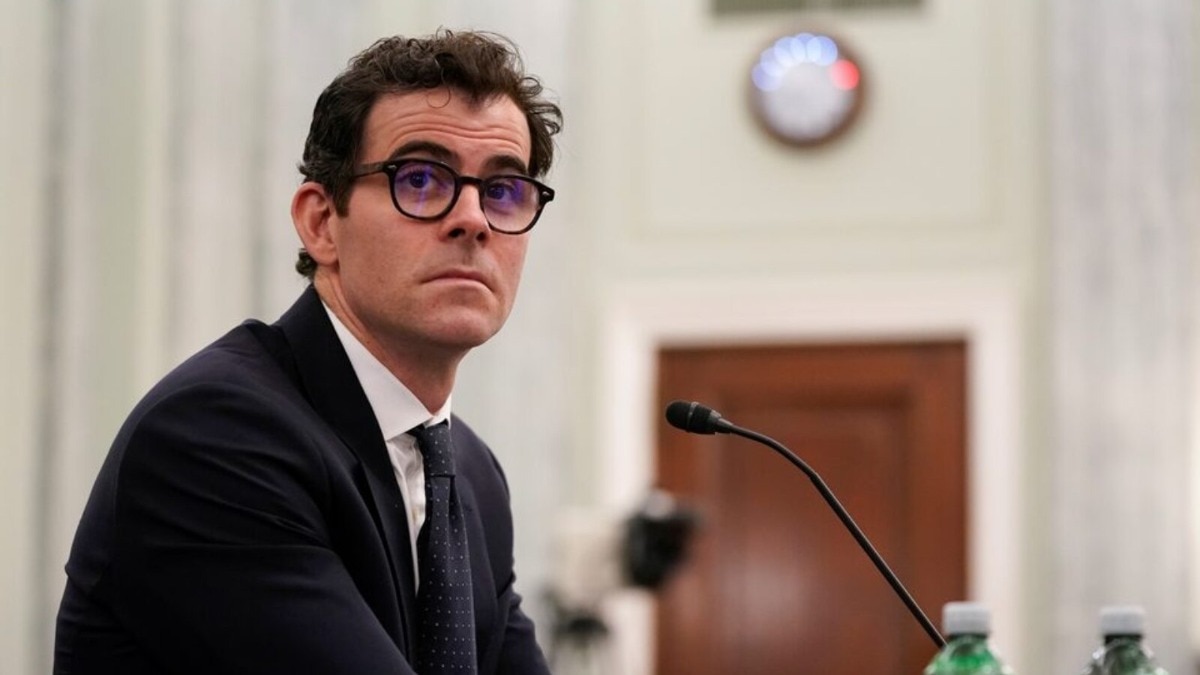
- The American proceedings are expected to include internal Meta research and testimony from Mark Zuckerberg and Adam Mosseri.
Sources
Related news

Meta's US Teen Rules Put India's Age-Verification Debate

India Studies Meta’s $17.1 Billion Settlement on Child Safety

Meta settlement adds teen safeguards, but India awaits protections

Meta Faces US Child Safety Trial, Indian Scrutiny Over Moderation

WhatsApp tests age confirmation in India ahead of privacy rules

Meta’s Teen Social Media Curfew Faces Enforcement Questions Worldwide

Meta Fixes AI Glasses Loophole Amid Privacy Concerns
How Meta Reached a $17 Billion Child Safety Settlement

Meta Smart Glasses Face Scrutiny Over Privacy And Data Risks

Meta, States Discuss Settlement in Landmark Child Privacy Trial