

3 weeks ago
India's Higher Education Control Push Sparks Autonomy Debate
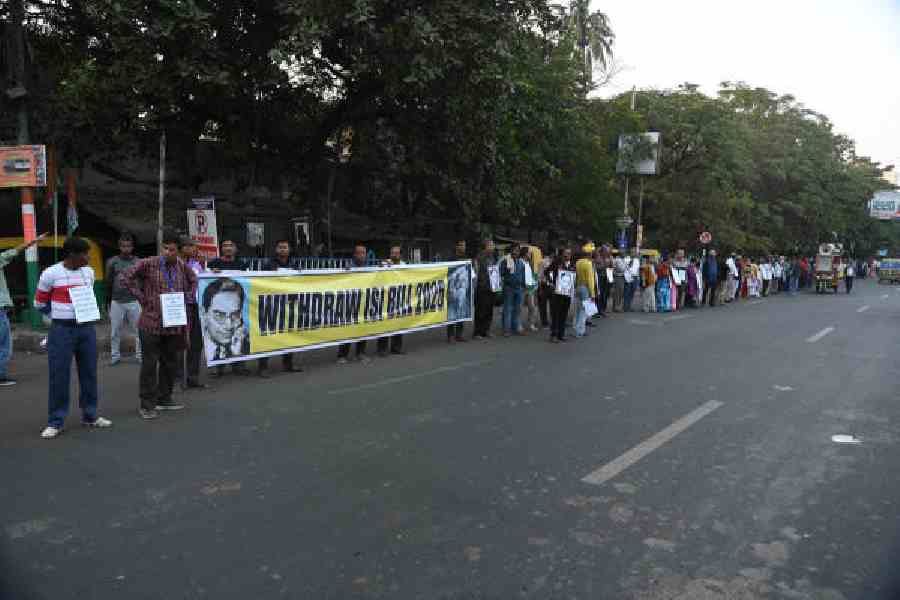
The Indian government wants to take more control over universities and colleges in the country.
It has written some new laws to make this happen, as part of a big education plan from 2020.
One law is about a famous mathematics and statistics research institute called the Indian Statistical Institute.
If the law passes, government leaders would make the big decisions there, even about what the institute studies.
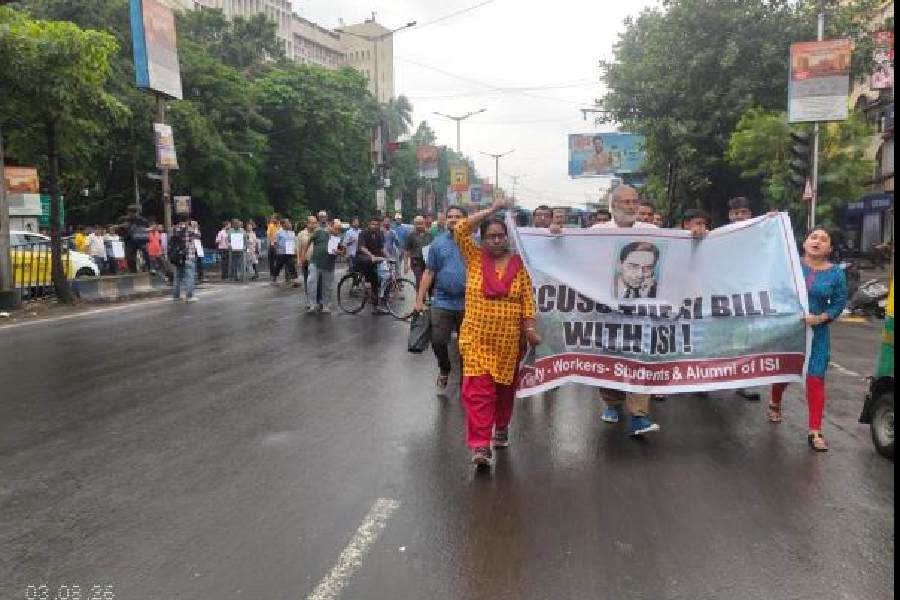
Many teachers at the institute are upset because they want to keep making those choices themselves.
Another new law would put one single group in charge of almost all colleges in India.
That group would replace three older education bodies that helped run things.
Famous schools like the IITs and IIMs are worried they will lose their freedom.
The government says these changes will make education better organised and higher quality.
But teachers, universities and states fear the government will control what people learn.

The BJP-led Central government has placed the Indian Statistical Institute Bill, 2026 in the Lok Sabha to overhaul ISI governance.
The bill proposes dismantling the ISI Act, 1959 and replacing the institute's administrative council with a government-dominated board of governors.
The new board could override academic council decisions and appoint the director, drawing prolonged opposition from academics.
The Viksit Bharat Shiksha Adhishthan Bill, 2025 would merge the UGC, AICTE and NCTE into a single regulator for all higher education institutions except medicine and law.
Critics warn of centralisation and lost autonomy for IITs, IIMs and IISc, while the government says the changes will streamline administration and raise quality.
- Who
- The Bharatiya Janata Party-led Central government of India, universities, academics, teachers and states.
- What
- Parliamentary bills to centralise regulation of higher education institutions, including the Indian Statistical Institute Bill, 2026 and the Viksit Bharat Shiksha Adhishthan Bill, 2025.
- Where
- India, specifically the Lok Sabha in the national Parliament.
- When
- In 2026, when the ISI Bill was placed in the Lok Sabha; the VBSA Bill of 2025 is currently pending.
- Why
- The government says the reforms aim to streamline administration and improve quality under the National Education Policy, 2020, while critics say they threaten institutional autonomy and intellectual freedom.
Protecting Institutional Autonomy
Centralised Reform
Institutional Autonomy
Protecting Institutional Autonomy
The bills let a government-dominated board override academic decisions and appoint the director, threatening intellectual freedom and institutional independence.
Centralised Reform
The reforms are needed to streamline administration, improve quality and enforce uniform academic standards across the country.
Centralisation vs Federalism
Protecting Institutional Autonomy
The bills centralise power and give states inadequate representation in the new commission, disregarding federal principles.
Centralised Reform
Uniform regulation of higher education is needed to achieve consistent national standards as envisioned by the National Education Policy, 2020.
Regulatory Oversight
Protecting Institutional Autonomy
A single commission with government-nominated members gives the state excessive control over an institution's policy, appointments, academic work and standards.
Centralised Reform
Replacing the UGC, AICTE and NCTE with one regulator will simplify oversight and make the system more efficient.
Key facts
- Indian Statistical Institute Bill
- Placed in Lok Sabha in 2026
- Viksit Bharat Shiksha Adhishthan Bill
- 2025; pending consideration
- ISI Act
- 1959; proposed to be dismantled
- Bodies to be replaced
- University Grants Commission, All India Council for Technical Education, National Council for Teacher Education
- Exempt sectors
- Medicine and law
- Governing framework
- National Education Policy, 2020
- Main criticism
- Threat to institutional autonomy, federal principles and intellectual freedom
Sources
Related news
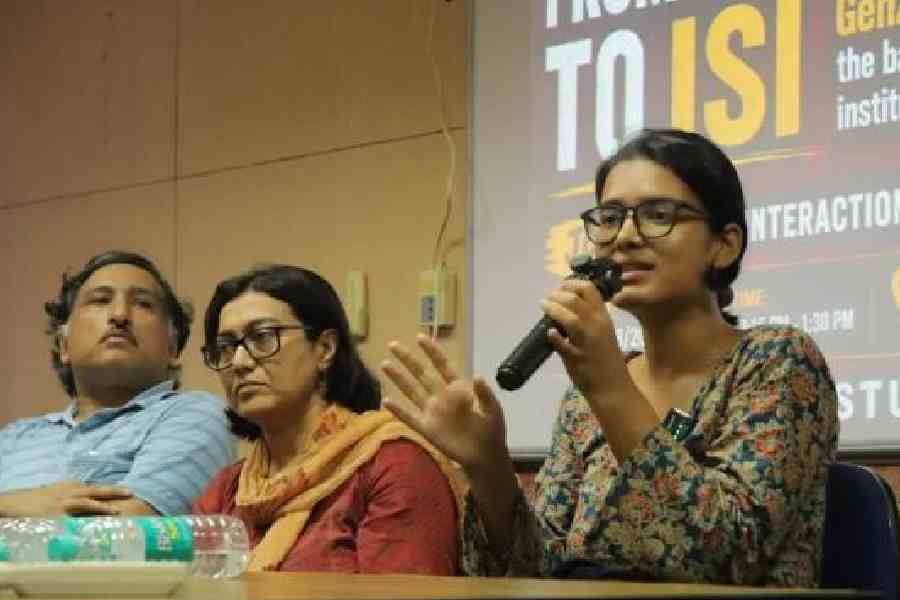
Student leader Neha Bora backs ISI autonomy fight against Bill
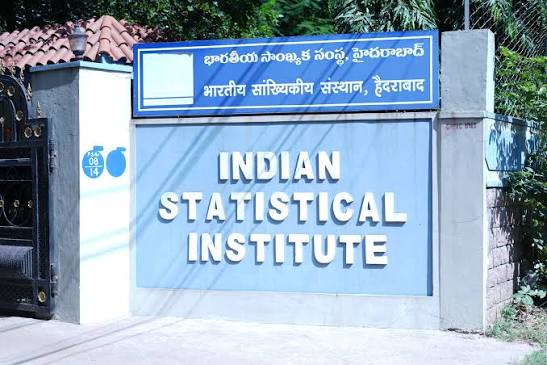
ISI Bill 2026 sparks protests, faculty-government clash over autonomy

India's Academic Freedom Hits Lowest Level Since 1900, Editorial Warns
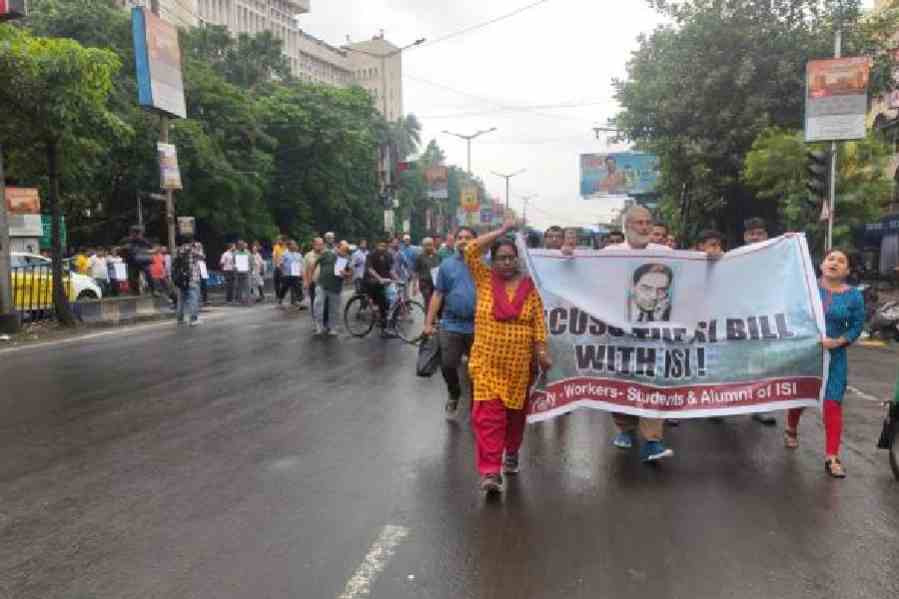
Academics Sign Petition Against Indian Statistical Institute Bill 2026
Experts Fear Centre Stranglehold on ISI Data Independence

NCERT Prepares Classes 10-12 Textbooks For Responsible AI Use
Ramesh Seeks Funds for 13 JNVs and Two AIIMS
Andhra Pradesh Government Schools Told to Prioritize Practical Skills

West Bengal, UNICEF Begin Workshop on Inclusive Education

India’s Exam Reform Must Begin in the Classroom
