0 months ago
ISI Bill 2026 sparks protests, faculty-government clash over autonomy
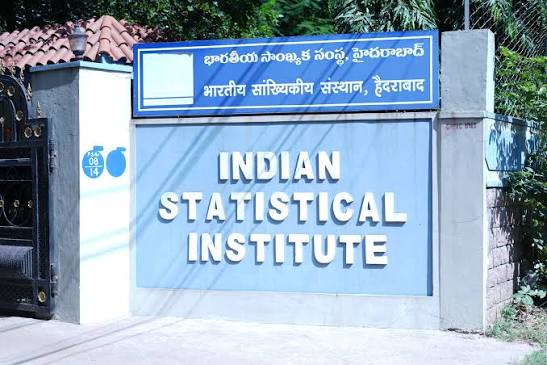
The Indian Statistical Institute is a famous school in Kolkata, India, where grown-ups learn about numbers, data and math.
It was started in 1931 by a smart scientist named P.C. Mahalanobis.
The leaders of India now want to change the old rules about how this school is run.
They wrote a new law called the Indian Statistical Institute Bill, 2026, and showed it to Parliament.
The government says the new rules will let a small group of leaders make decisions faster.
Right now, more than 1,800 people can vote on big changes, but only about 150 to 200 actually show up, so important decisions get stuck.
Many teachers, students and workers at the school are worried that the new rules will let the government control the school too much.
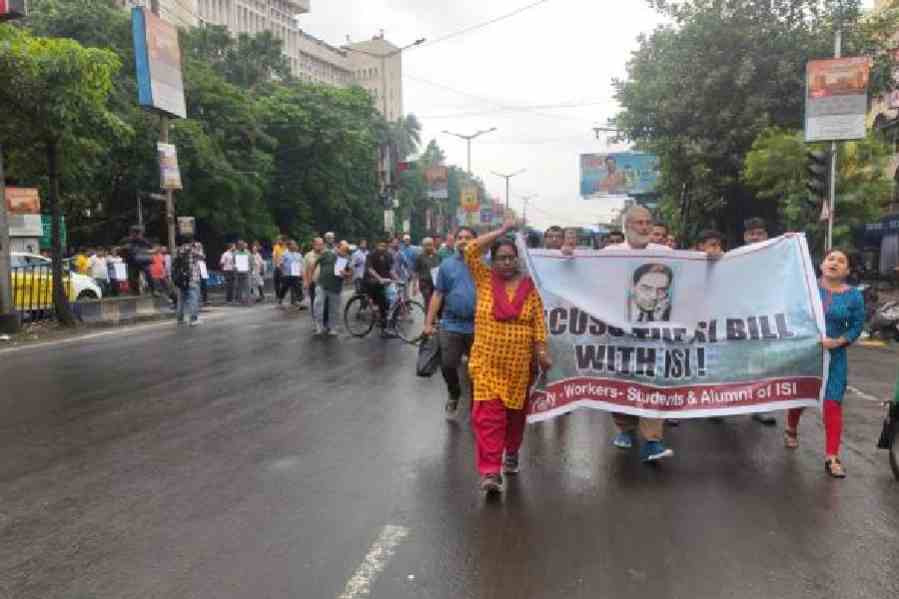
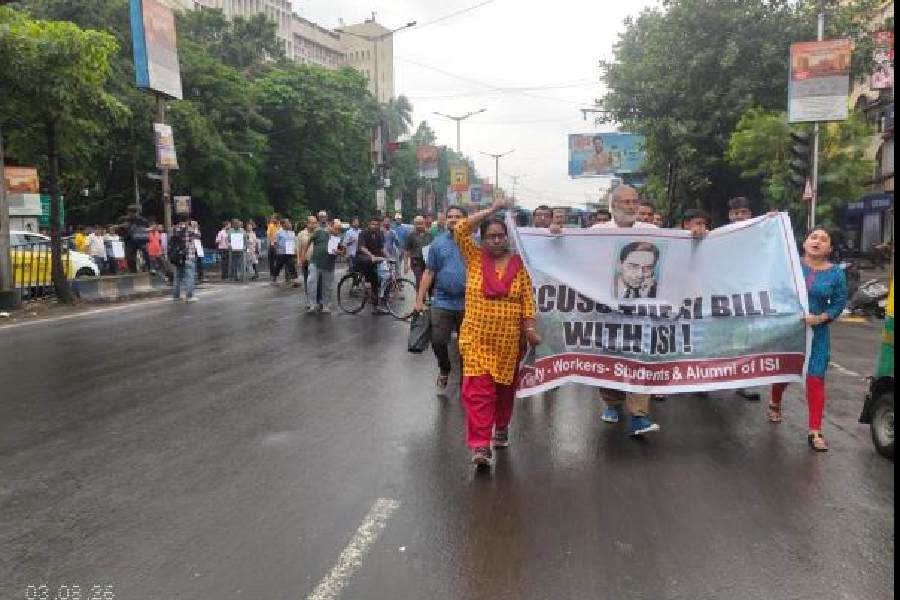
They held a protest in Kolkata and asked the government to talk to everyone before making changes.
The government says it wants the school to become world-famous for statistics and to teach exciting new subjects like artificial intelligence.
Both sides say they care about the school, but they disagree about how much control the government should have.

The Indian Statistical Institute (ISI) Bill, 2026, introduced in Parliament, would replace the Indian Statistical Institute Act, 1959 and convert ISI from a registered society into a statutory body corporate.
Government officials say the Bill gives the Board of Governors greater autonomy, allows new centres in India and abroad, and aims to make ISI a globally recognised centre for Statistical Science and allied fields.
Students, faculty and staff at ISI's Kolkata campus protested on Monday, urging the Centre not to proceed with the Bill without wider consultations.
The Bill trims the governing council from 33 members to 11 — four internal, two government nominees and four external members selected via a search-cum-selection panel.
Faculty argue the Bill concentrates power in a government-accountable Board of Governors, weakens faculty and staff representation, and gives the Centre greater influence over the director's appointment.
- Who
- The Government of India and its statistics ministry, and the Indian Statistical Institute community — faculty, students and staff, including professor Rahul Roy.
- What
- Introduction of the Indian Statistical Institute (ISI) Bill, 2026, which replaces the 1959 Act and restructures ISI's governance under a Board of Governors.
- Where
- India — in Parliament at New Delhi, with the protest held at the Indian Statistical Institute's Kolkata campus.
- When
- The Bill was introduced in Parliament on Monday, August 3, 2026; protests and government clarifications followed that week, with reports published on August 5, 2026.
- Why
- To modernise ISI's governance, end decision-making gridlock and make it a globally recognised centre for Statistical Science in a data-driven economy; critics say it enables central interference.
ISI community (faculty, students, staff)
Government of India (statistics ministry)
Autonomy and government control
ISI community (faculty, students, staff)
The Bill concentrates decision-making in a government-accountable Board of Governors, weakens elected faculty and staff representation, curtails the Academic Council's role and gives the Centre greater influence over the director's appointment, diluting ISI's autonomy.
Government of India (statistics ministry)
The Bill gives the Board of Governors greater autonomy and strengthens accountability; the four external members will be eminent experts nominated by the Chairperson through a search-cum-selection panel, not government picks.
Consultation before enactment
ISI community (faculty, students, staff)
There was no formal consultation with the institute before the Bill was introduced; it should be referred to a parliamentary panel so stakeholders can present their views.
Government of India (statistics ministry)
The statistics ministry says the faculty's views were considered, but the changes are necessary to strengthen the institution's accountability and meet the needs of a data-driven economy.
Reason the reforms are needed
ISI community (faculty, students, staff)
The proposed law will lead to interference by the Centre in ISI's day-to-day functioning, so it should not be rushed through without wider consultations.
Government of India (statistics ministry)
Reforms are blocked under the 1959 Act because changes require 3/4th approval of the ~1,800-member General Body but only 150-200 members attend, while internal disputes and vested interests stall key decisions.
Key facts
- Bill
- Indian Statistical Institute (ISI) Bill, 2026
- Law to be replaced
- Indian Statistical Institute Act, 1959
- Current legal status
- Society registered under the West Bengal Societies Registration Act
- Governing council
- 33 members today (17 internal); 11 proposed — 4 internal, 2 government nominees, 4 external
- General Body
- About 1,800 members; only 150-200 typically attend meetings
- Founder and founding year
- P.C. Mahalanobis, 1931, Kolkata
- Visitor
- President of India
- Proposed new bodies
- Board of Governors, Academic Council, Management Councils, Finance Committee
Quotes
Senior government official
Senior official explaining ISI governance issues
“"Changes in the Memorandum of Association, regulations and bye‑laws require approval of 3/4th of voting members of the general body, but hardly 150‑200 members attend the meeting, and this affects reforms."”
 thehindubusinessline.com
“"These external members will be eminent persons in the field of Statistical Sciences and allied fields and will be nominated by the Chairperson based on a search‑cum‑selection panel."”
thehindubusinessline.com

Rahul Roy
Professor at the Indian Statistical Institute
“"The bill should be referred to a parliamentary panel so that stakeholders could present their views before it is enacted."”
 deccanchronicle.com
Sources

Related news
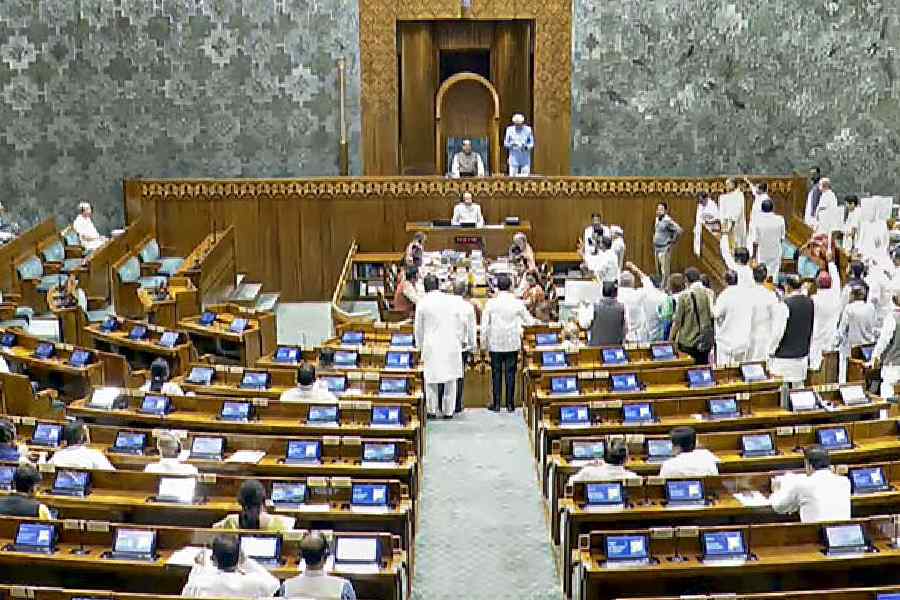
Indian Statistical Institute Bill Sent To Parliamentary Panel
Academics Sign Petition Against Indian Statistical Institute Bill 2026
Experts Fear Centre Stranglehold on ISI Data Independence
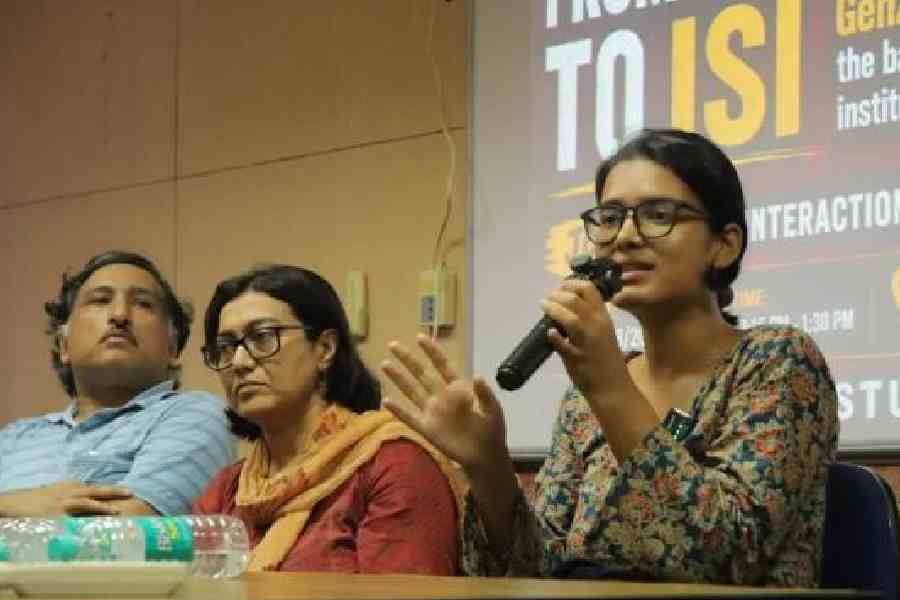
Student leader Neha Bora backs ISI autonomy fight against Bill
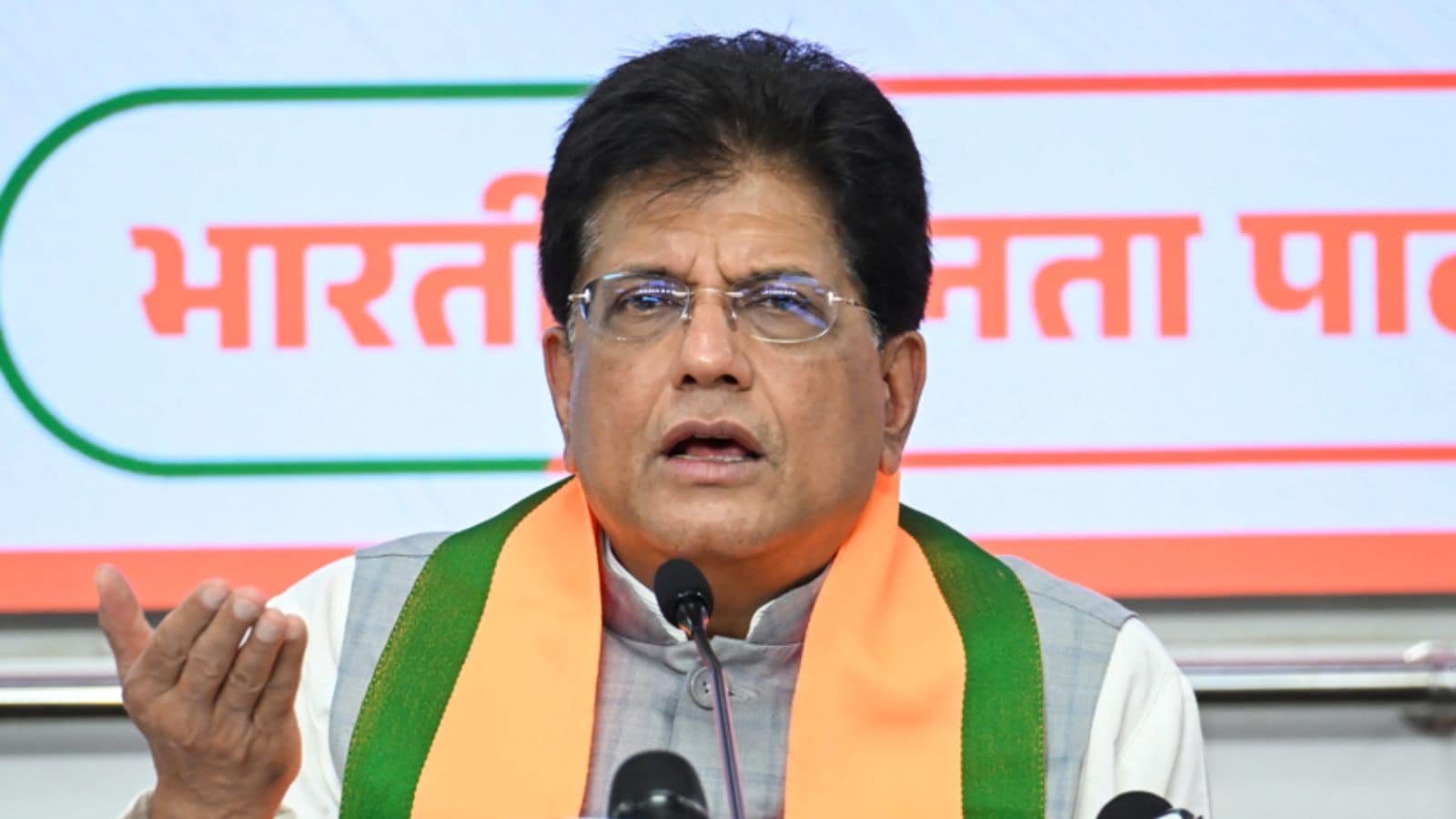
Goyal Defends India’s 7.8% GDP Growth Amid Data Debate
Government Defends India’s 7.8% Q1 Growth Amid GDP Debate
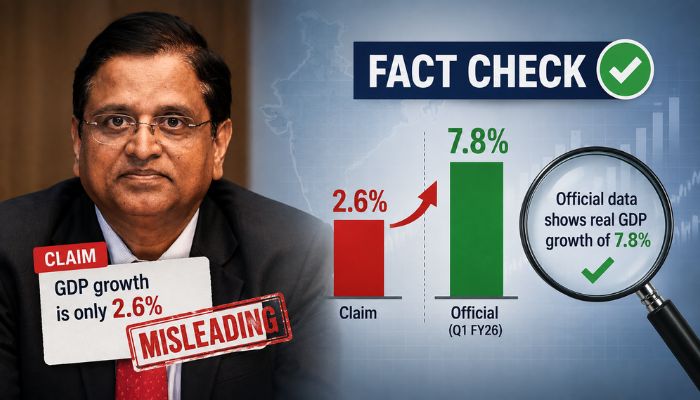
Government Rejects 2.6% Claim, Defends India’s 7.8% GDP Growth

Modi Hails 7.8% Q1 GDP Growth, Urges Swadeshi Amid Criticism

Modi Hails 7.8% GDP Growth as Congress Challenges Numbers