

6 days ago
Trump Orders Restrictions on Foreign Equipment in US Power Grid

President Trump signed an order to keep some foreign-made power equipment away from important parts of the US electricity system.
The equipment includes transformers, solar-related devices, batteries, and computer software.
Officials worry that poorly protected equipment could be used by foreign attackers to harm the power grid.
The order mainly covers large electricity systems, not local neighborhood power distribution.
The Energy Department must write detailed rules within 120 days.
Energy Secretary Chris Wright can also recommend limits on equipment that is already installed.
Supporters say the plan could make the grid safer and help American manufacturers.
Utilities may worry that changing equipment could affect electricity reliability, safety, and costs.

President Donald Trump signed an emergency order restricting certain foreign-made grid equipment on national-security grounds.
The order targets some transformers, electrical equipment, and associated software used in bulk-power systems.
The Energy Department has 120 days to publish regulations implementing the restrictions.
Energy Secretary Chris Wright may impose conditions on already installed equipment if necessary.
The policy reflects concerns about cyberattacks, remote access, supply-chain dependence, and possible equipment vulnerabilities.
- Who
- President Donald Trump, the Energy Department, Energy Secretary Chris Wright, utilities, and equipment manufacturers.
- What
- An emergency order generally restricting certain foreign-made bulk-power equipment and related software.
- Where
- The United States’ bulk-power system; local power-distribution facilities are excluded.
- When
- Wednesday; the Energy Department has 120 days to publish implementing regulations.
- Why
- To address national-security, cybersecurity, sabotage, unauthorized-access, and supply-chain risks involving critical grid equipment.
National-security rationale
Reliability and supply concerns
Foreign equipment restrictions
National-security rationale
Supporters argue that foreign-made grid components could create vulnerabilities involving cyberattacks, sabotage, unauthorized access, or other threats to critical infrastructure.
Reliability and supply concerns
Utilities and companies using the equipment may face uncertainty or disruption as new rules determine which devices are prohibited or restricted.
Already installed equipment
National-security rationale
The order allows the energy secretary to impose conditions on existing equipment if needed to address security risks.
Reliability and supply concerns
Any restrictions on installed equipment must account for possible consequences to grid reliability and safety.
Domestic supply chains
National-security rationale
Restricting risky foreign equipment could strengthen US manufacturing and reduce dependence on overseas suppliers.
Reliability and supply concerns
The articles indicate that foreign suppliers, particularly China, hold a large share of global battery and solar-inverter manufacturing, making supply-chain changes consequential.
Key facts
- Scope
- The order covers certain foreign-made transformers, electrical equipment, and associated software used in bulk-power systems.
- Exclusion
- Facilities used for local distribution of power are not covered.
- Implementation deadline
- The Energy Department has 120 days to publish regulations.
- Existing equipment
- The energy secretary may impose conditions on already installed equipment while considering reliability and safety.
- Manufacturing concentration
- China accounts for roughly 80% of global battery and solar-inverter manufacturing capacity, according to the International Energy Agency.
- Prior policy
- The directive follows a 2020 Trump administration order that was later rescinded by former President Joe Biden.
- Potential beneficiaries
- The policy could benefit domestic electric-equipment manufacturers and companies including SolarEdge Technologies, Enphase Energy, and Tesla.
Sources
Related news

Indian Transformer Stocks Rise After Trump Targets China-Linked Grid Equipment
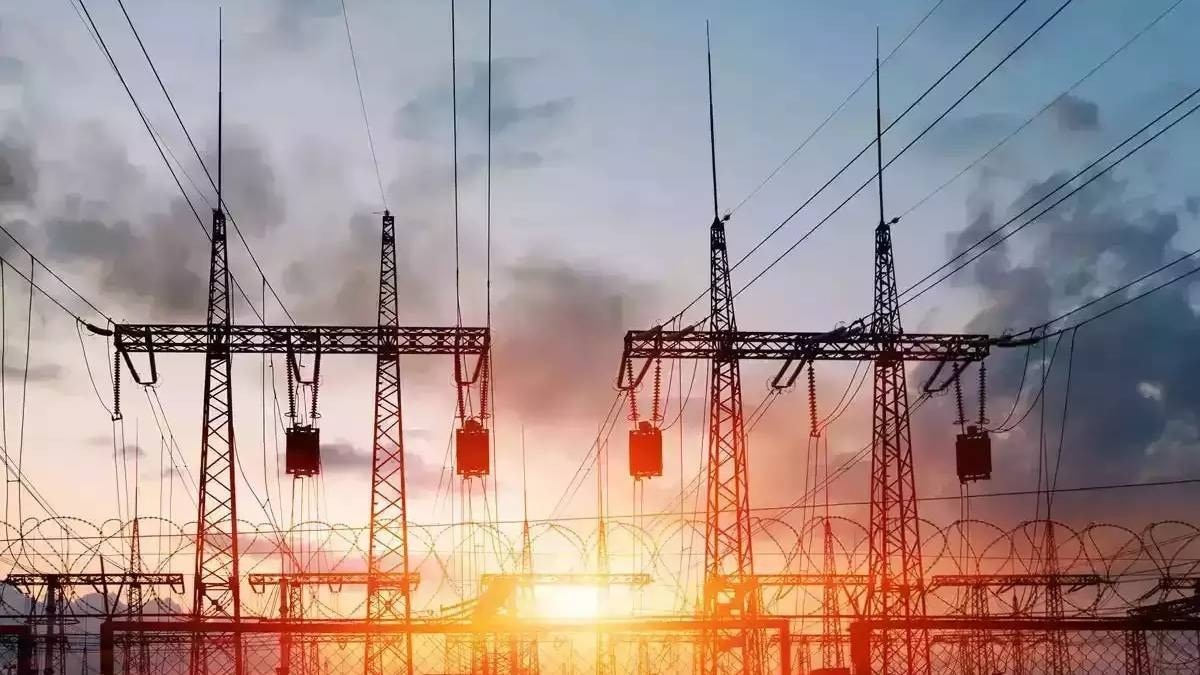
Trump Bans Foreign Power Equipment Over National Security Risks

Trump administration drafts ban on Chinese data center components
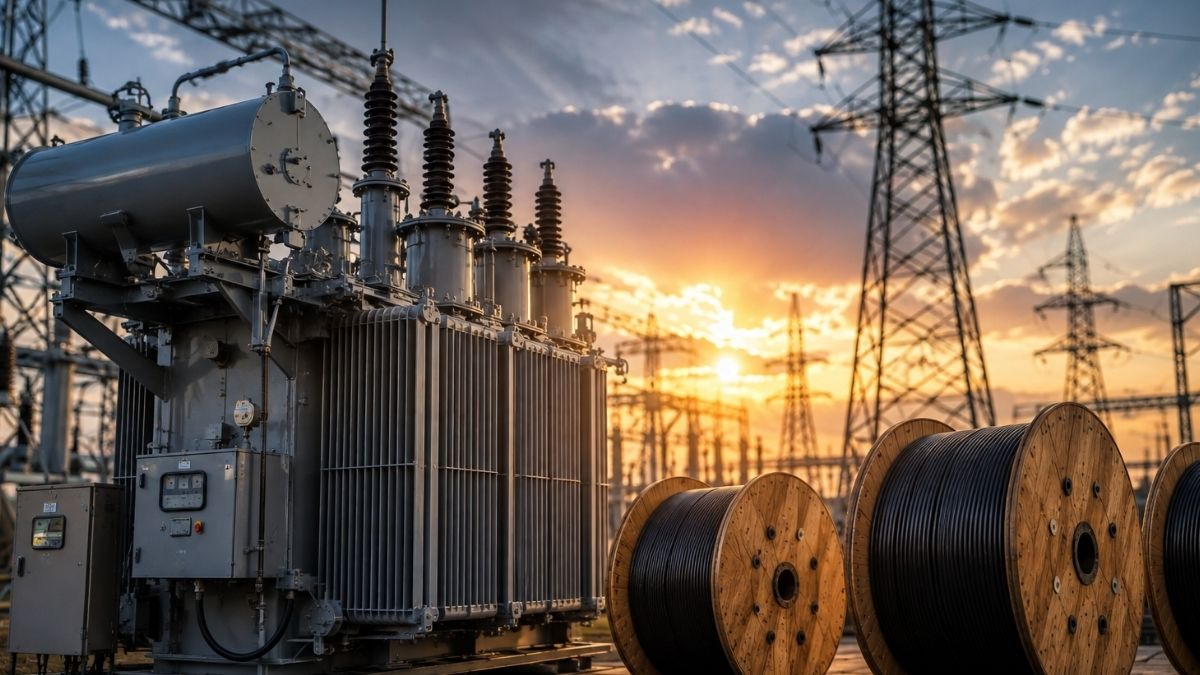
Macquarie Sees Indian Power Stocks Gaining From US Curbs

Scott Urges Ban on Federal Funds for Chinese Medical Devices
Trump Announces Up To 100% Tariffs On Imported Drones
Xi’s Foreign Tour Pitches China’s Leadership Ahead of Trump Meeting

China Challenges US Leadership in Escalating Global AI Contest
Huawei Opens Preorders for Tri-Fold Mate XT 2 in China
Apple and Huawei Prepare Foldable Smartphone Showdown This September
Memory Crisis Threatens Cheap Phones as Smartphone Prices Stay High
