14 hrs ago
Nashik Rainfall Deficit Raises Kharif Crop, Water Concerns
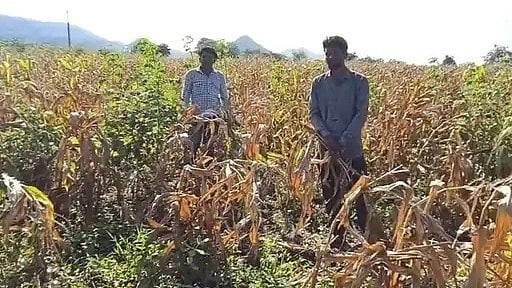
Nashik received much less rain than usual during this monsoon.
The district normally gets about 934 millimeters of rain in a year.
Rainfall has also arrived unevenly, with some heavy showers followed by long dry periods.
This has made the soil too dry for some crops.
Kharif crops such as soybean, maize, cotton and pulses may produce less.
Farmers who depend on rain are facing the greatest difficulties.
Low rainfall could also reduce groundwater and stored water.
The amount of water available will affect Rabi crops planted later.
Officials are checking water supplies and the needs of people, animals and farms.

Nashik district recorded an estimated 184 mm rainfall deficit against its average monsoon rainfall.
From September 1 to 27, the district received 50.3 mm of rain instead of the expected 165.2 mm.
Dry spells and uneven rainfall have reduced soil moisture and stressed standing Kharif crops.
Soybean, maize, bajra, cotton, moong and urad face risks to growth, flowering and yields.
Officials are monitoring reservoirs, groundwater and rural needs ahead of the Rabi sowing season.
- Who
- Farmers, agricultural experts and Nashik district officials are affected or involved.
- What
- Nashik recorded an approximately 184 mm rainfall deficit, creating concerns for Kharif crops, groundwater and future water availability.
- Where
- Nashik district.
- When
- During the current monsoon; between September 1 and 27, rainfall was 50.3 mm against an expected 165.2 mm.
- Why
- Rainfall was below normal and unevenly distributed, with prolonged dry spells reducing soil moisture and water storage.
Key facts
- Rainfall deficit
- Approximately 184 mm below the district’s average rainfall.
- Average annual rainfall
- About 934 mm.
- September rainfall
- 50.3 mm recorded from September 1 to 27.
- Expected September rainfall
- 165.2 mm was expected for the same period.
- Affected crops
- Soybean, maize, bajra, cotton, moong and urad.
- Main concerns
- Crop growth and yields, groundwater, reservoirs and water availability for Rabi sowing.
- Official monitoring
- The district administration is assessing rainfall, reservoir storage, groundwater, drinking water, livestock and fodder needs.
Sources
Related news

Drought-Like Conditions Threaten Dharashiv Crops After 80 Rainless Days
Maharashtra Faces Monsoon Exit With 17% Rainfall Deficit

Nashik MP Seeks Drought Trigger-1 Status For Three Talukas
Kukshi Seeks Drought Status After 205 Mm Rainfall Deficit
India Faces Drought Risks as El Niño Weakens Monsoon
Skewed Monsoon Rainfall Raises Concerns Over Kharif Yields

Maharashtra Launches 1,000-Day Mission for Integrated Early Childhood Development
Ashok Kharat Remanded for Three Days in Gemstone Fraud Case

Nashik's Simhastha Infrastructure Aims to Drive Industrial Growth

Nashik Committee Seeks Student Feedback on Recruitment Exam Reforms