1 hr ago
Education and Innovation Transforming Rural Careers Through Value-Added Agriculture

Many people in India depend on farming for their work.
Farmers can earn more when they sell better-quality products instead of only raw crops.
Education can teach them about seeds, storage, food safety and marketing.
New machines and digital tools can help farmers reduce waste and find better buyers.
Popcorn maize is one crop that may bring higher prices when handled properly.
Farmer groups can combine harvests so they can sell larger quantities.
However, small farms, changing weather, high costs and limited loans create difficulties.
Better cooperation among farmers, businesses, banks and policymakers could make rural farming careers stronger.

Agriculture supports roughly 40–45% of India’s workforce, while contributing in the high teens to GDP.
Education and vocational training can help farmers improve planning, quality control, marketing and post-harvest management.
Mechanisation, cold chains, testing technologies and digital platforms can reduce losses and improve market access.
Popcorn maize may offer premium prices when farmers use suitable hybrids and maintain kernel quality.
Fragmented holdings, climate variability, rising costs and limited finance remain barriers to higher-value agriculture.
- Who
- Indian farmers, rural communities, agribusinesses, financial institutions, research organisations and policymakers.
- What
- Education and innovation are being presented as ways to create higher-value rural careers and improve farm incomes.
- Where
- Rural India, including farms and nearby urban markets.
- When
- The article discusses current conditions and future opportunities, citing the Agriculture Census 2015–16.
- Why
- To address low agricultural productivity and help smallholders capture more value through aggregation, quality improvement and value addition.
Key facts
- Agriculture workforce
- Agriculture supports roughly 40–45% of India’s workforce, according to the World Bank.
- Agriculture’s GDP share
- Agriculture’s contribution to GDP has fallen to the high teens.
- Small and marginal holdings
- Nearly nine out of ten operational holdings were classified as small and marginal in the Agriculture Census 2015–16.
- Education focus
- Training can cover business planning, post-harvest management, quality standards and digital marketing.
- Innovation tools
- Mechanisation, cold-chain infrastructure, quality-testing technologies and digital platforms can improve farm-market connections.
- Popcorn maize opportunity
- Popcorn varieties can command premium prices because of their specific kernel characteristics and processing requirements.
- Key challenges
- Fragmented landholdings, climate variability, rising input costs, limited rural finance and logistics gaps can restrict progress.
Sources
Related news

Adityanath Urges Uttar Pradesh Youth to Create Jobs
Fadnavis Urges Technology-Driven Farming to Break Farmers’ Debt Cycle

India’s Everyday Staples Could Drive the Next Nutrition Revolution

PhD Scholar Bridges Rural Education Gap Through Reliable Transport
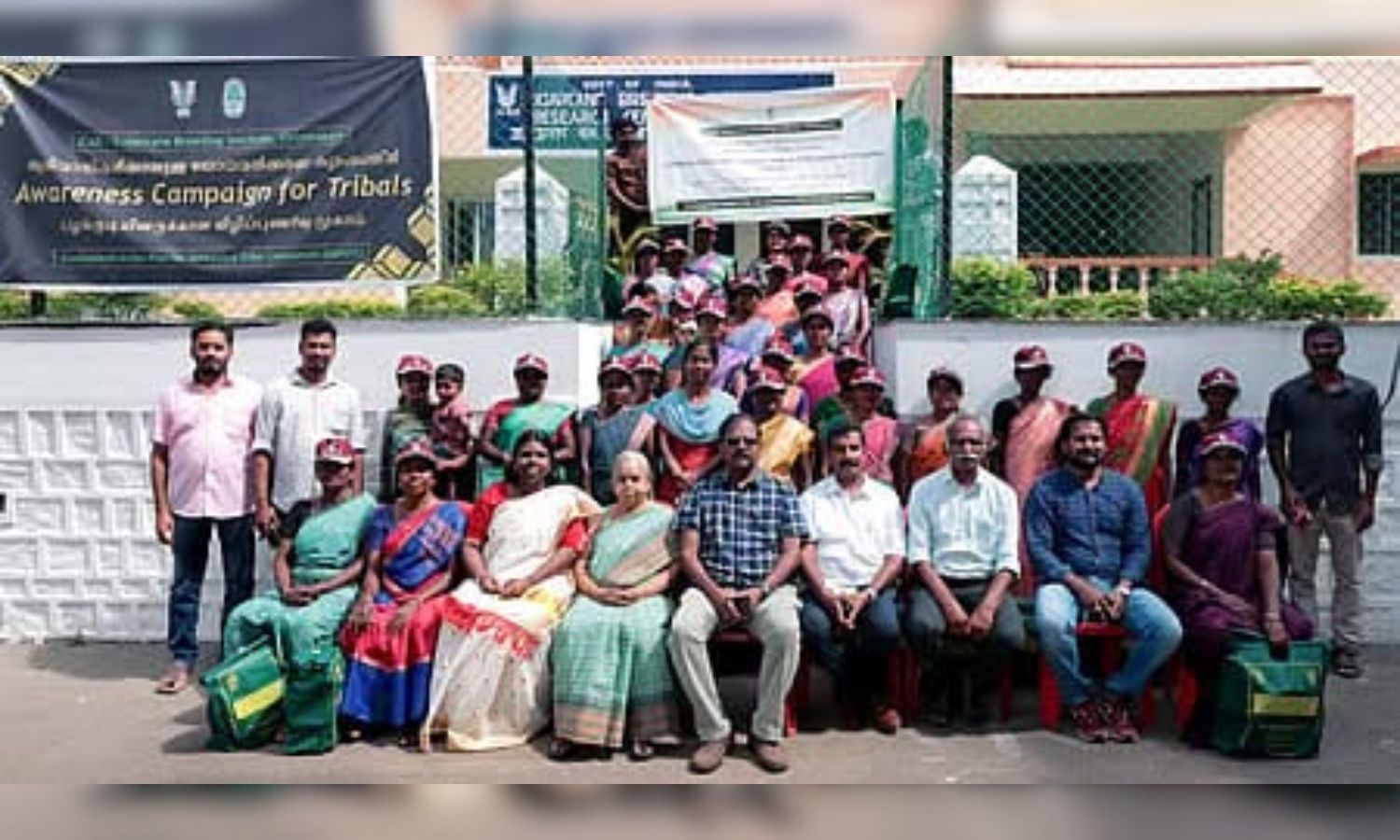
Kerala Tribal Women Receive Economic Empowerment Training in Coimbatore

Vijayendra Addresses Jobs, AI and KPSC Concerns at GenZ Connect

Bank Unions Plan Three-Day Strike Over Five-Day Week

Nabard-Backed Agri-Fintech Onboards 300,000 Kisan Credit Card Applications
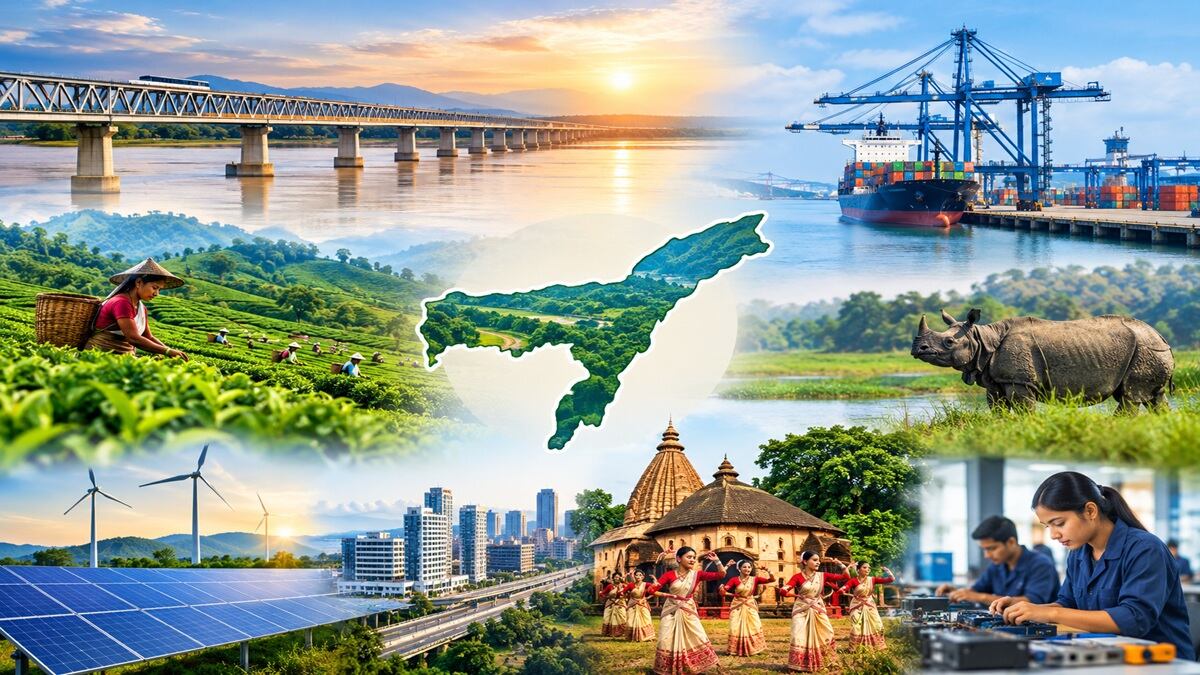
Assam Unveils Rs 50,000-Crore Roadmap for Development by 2047
IIT Indore Climate AI Reaches NSIC 2026 Top 11