6 days ago
H3N2 and H1N1 Flu: Symptoms, Risks and Safety Guidance

H3N2 and H1N1 are two types of flu viruses.
Both can make people suddenly feel feverish and tired.
They can also cause coughing, sore throats, headaches and muscle aches.
The name of the virus does not tell doctors exactly how serious the illness will be.
Most healthy people get better with rest, fluids and suitable care for their symptoms.
Flu can be more dangerous for older people, young children, pregnant women and people with some health problems.
Sometimes it can lead to pneumonia or other complications.
Trouble breathing, chest pain, confusion, dehydration or low oxygen are warning signs that need medical help.

H3N2 and H1N1 can both cause sudden fever, dry cough, sore throat, headache, muscle aches and fatigue.
The flu can become serious for older adults, young children, pregnant women and people with certain medical conditions.
Possible complications include pneumonia and other serious illness.
Breathlessness, chest pain, confusion, severe weakness, dehydration or falling oxygen saturation require medical assessment.
For many otherwise healthy people, influenza improves with rest, fluids and appropriate symptomatic care.
- Who
- People with influenza, especially older adults, young children, pregnant women and those with diabetes, chronic heart or lung disease, or weakened immunity; Dr. Bharesh Dedhia provided medical guidance.
- What
- A medical explanation of H3N2 and H1N1 symptoms, risks, treatment support and warning signs.
- Where
- The guidance was provided in connection with P.D. Hinduja Hospital and Medical Research Centre in Khar, Mumbai.
- When
- Why
- To explain that both strains can cause serious illness and identify when home care is no longer appropriate.
Key facts
- Influenza strains
- H3N2 and H1N1
- Common symptoms
- Sudden fever, dry cough, sore throat, headache, muscle aches and marked fatigue
- Potential complications
- Pneumonia and other complications
- Higher-risk groups
- Older adults, young children, pregnant women, and people with diabetes, chronic heart or lung disease, or weakened immunity
- Supportive care
- Rest, fluids and appropriate symptomatic care may help otherwise healthy people
- Urgent warning signs
- Breathlessness, chest pain, confusion, severe weakness, dehydration, persistently high or returning fever, or falling oxygen saturation
Quotes
Dr. Bharesh Dedhia
Consultant in intensive care at P.D. Hinduja Hospital and Medical Research Centre, Khar, Mumbai
“Both H3N2 and H1N1 can cause sudden fever, dry cough, sore throat, headache, muscle aches and marked fatigue, while some patients may develop pneumonia or other complications.”
 timesnownews.com
Sources
Related news

Emraan Hashmi Tests Positive For H1N1 Amid Health Warnings
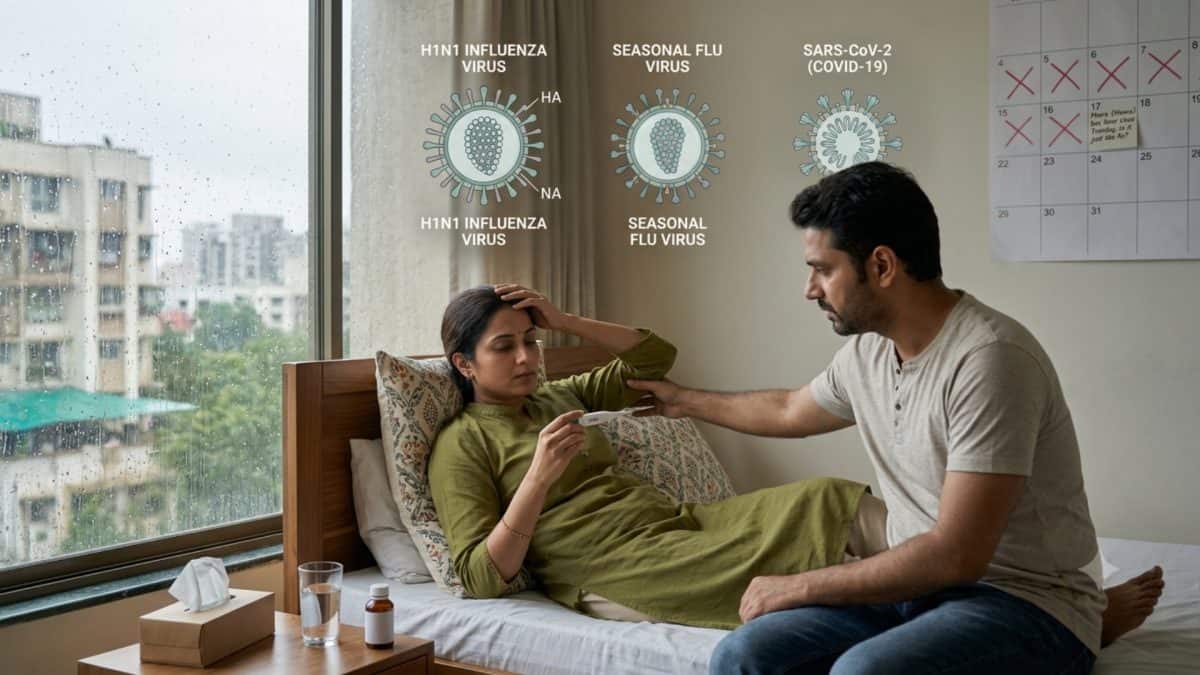
Delhi, Bengaluru H1N1 Surge as Doctors Compare COVID-19

Hyderabad H1N1 Situation Under Control, Doctors Say No Panic

Delhi records nearly six-fold rise in H1N1 cases in 2026

Doctors Highlight High Fever, Body Ache in Delhi Influenza

Doctors Urge Vigilance as Influenza Cases Rise in Delhi-NCR

Veteran Mountaineer Among Indians Missing After Nepal Floods

Critical Heart Attack Lessons from Real-Life Experiences
Mumbai Blood Drive Collects 5000 Units

Hinduja Hospital Opens Geriatric Clinic in Mumbai