1 hr ago
Dance Footwear, Training and Recovery Help Prevent Heel Pain
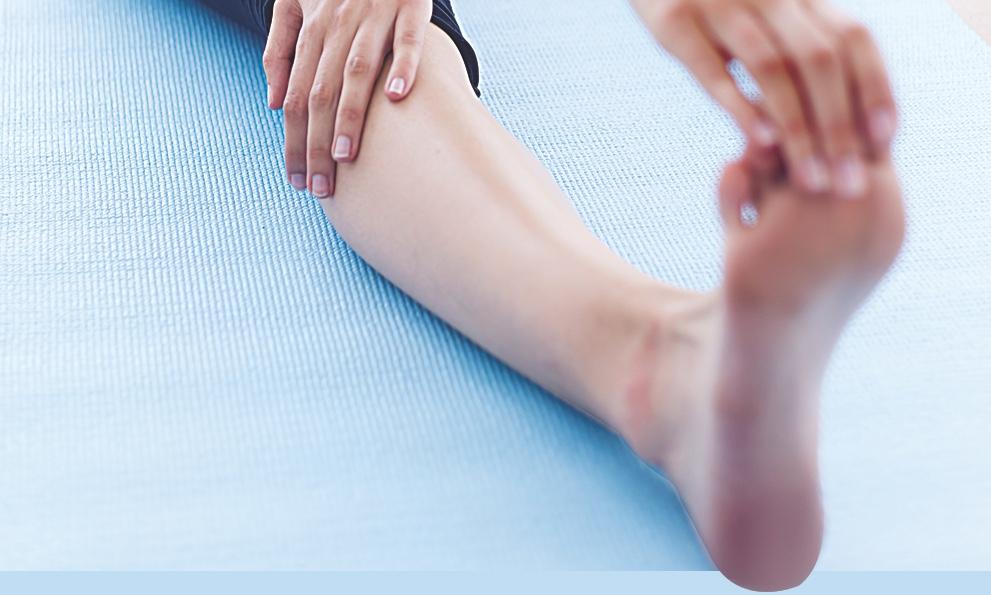
A dancer’s feet work hard during practice and performances.
Repeated jumps and landings can put stress on the bottom of the foot.
Dancing barefoot on a hard floor may make that impact stronger.
Pointe shoes shift pressure toward the toes and front of the foot.
Sneakers can soften some impacts, but they do not remove every risk.
Pain under the heel, especially after waking up or sitting, can be a warning sign.
Dancers can help their feet by building up training gradually, using suitable shoes, stretching and strengthening.
Rest is important, too.
If pain lasts or gets worse, a health professional should check it.

Repeated jumps, hard floors and long rehearsals can strain the plantar fascia and contribute to heel pain.
Barefoot dancing on hard surfaces can increase impact on the heel, while pointe shoes place pressure on the toes and forefoot.
Cushioned sneakers may reduce some impact in high-impact dance, but cannot prevent all stress or injury.
Heel pain with first steps after rest, tenderness, or worsening pain during dance may signal plantar fascia strain.
Gradual training, suitable footwear, strengthening, stretching and recovery can help protect dancers’ feet.
- Who
- Dancers, with advice from orthopaedic doctors and choreographer Aftab Shaikh.
- What
- An overview of how dance styles, footwear and training can affect foot strain and heel pain, with prevention and recovery advice.
- Where
- On dance floors and other training surfaces, including hard concrete or cement floors.
- When
- During dance practice and performance, particularly after repeated or prolonged training.
- Why
- Repeated impact, pressure from footwear, sudden increases in training and inadequate recovery can strain foot tissues, including the plantar fascia.
Footwear and surface benefits
Footwear and surface risks
Barefoot dancing
Footwear and surface benefits
Barefoot movement lets the foot move freely and allows smaller foot muscles to work naturally; grass or clay may be beneficial surfaces.
Footwear and surface risks
Repeated barefoot dancing on cement or concrete can increase impact and stress on the heel and plantar fascia.
Pointe shoes
Footwear and surface benefits
Pointe shoes enable ballet dancers to rise onto their toes.
Footwear and surface risks
Their rigid structure shifts weight toward the forefoot, and prolonged use can stress toes, arches, ankles and the plantar fascia; pointed shoes may also squeeze the forefoot.
Sneakers
Footwear and surface benefits
Cushioning and shock absorption can reduce some force reaching the feet during high-impact dance.
Footwear and surface risks
Sneakers cannot remove stress from repeated jumping, landing and long rehearsals; poorly fitted, worn-out or inappropriate shoes can still cause discomfort.
Key facts
- Affected tissue
- The plantar fascia is a band of tissue along the bottom of the foot.
- Barefoot dancing
- Hard surfaces such as cement or concrete can increase stress on the feet.
- Pointe work
- Pointe shoes shift considerable pressure toward the toes and forefoot.
- Sneakers
- Cushioning and shock absorption may reduce some impact, but cannot eliminate injury risk.
- Possible warning signs
- Heel or sole pain on first steps after waking or sitting, tenderness after rehearsal, or worsening pain with jumps and landings.
- Prevention
- Gradual training, suitable footwear, foot and calf exercises, proper technique, and rest and recovery.
- When to seek care
- Persistent or worsening pain, stiffness, or discomfort affecting everyday walking warrants professional evaluation.
Quotes
Aftab Shaikh
Choreographer
“Dancers should not dismiss heel pain as simple fatigue. Pain during the first few steps after getting out of bed, tenderness under the heel after a long rehearsal, increasing discomfort while jumping or landing, or pain that gradually starts affecting dance performance can be early warning signs of plantar fascia strain.”
 deccanchronicle.com
“Dancers should use appropriate footwear. They should focus on exercising intrinsic foot muscles. Most important is rest and recovery time after intense dancing sessions.”
deccanchronicle.com
Sources
Related news
How Teachers Can Protect Their Knees and Back
Toe-Walking May Strengthen Calves but Also Carries Risks
Why Movement Quality Matters More Than Chasing 10,000 Steps

Alicia Kaur Handles Broken Heel Gracefully During Mumbai Runway
How to Stay Energised Through India’s Festive Celebrations
Pregnancy Back Pain: When Normal Discomfort Needs Physiotherapy

Brokerages See Hospital Stocks Rising Despite Supreme Court Scrutiny

Indian Stocks Extend Losses as Rising Crude Pressures Markets

Chris Wood Sees AI Shift Triggering Indian Market Bull Run

Delhi Student Alleges Stalking, Assault By Two Men