2 hrs ago
Pregnancy Back Pain: When Normal Discomfort Needs Physiotherapy
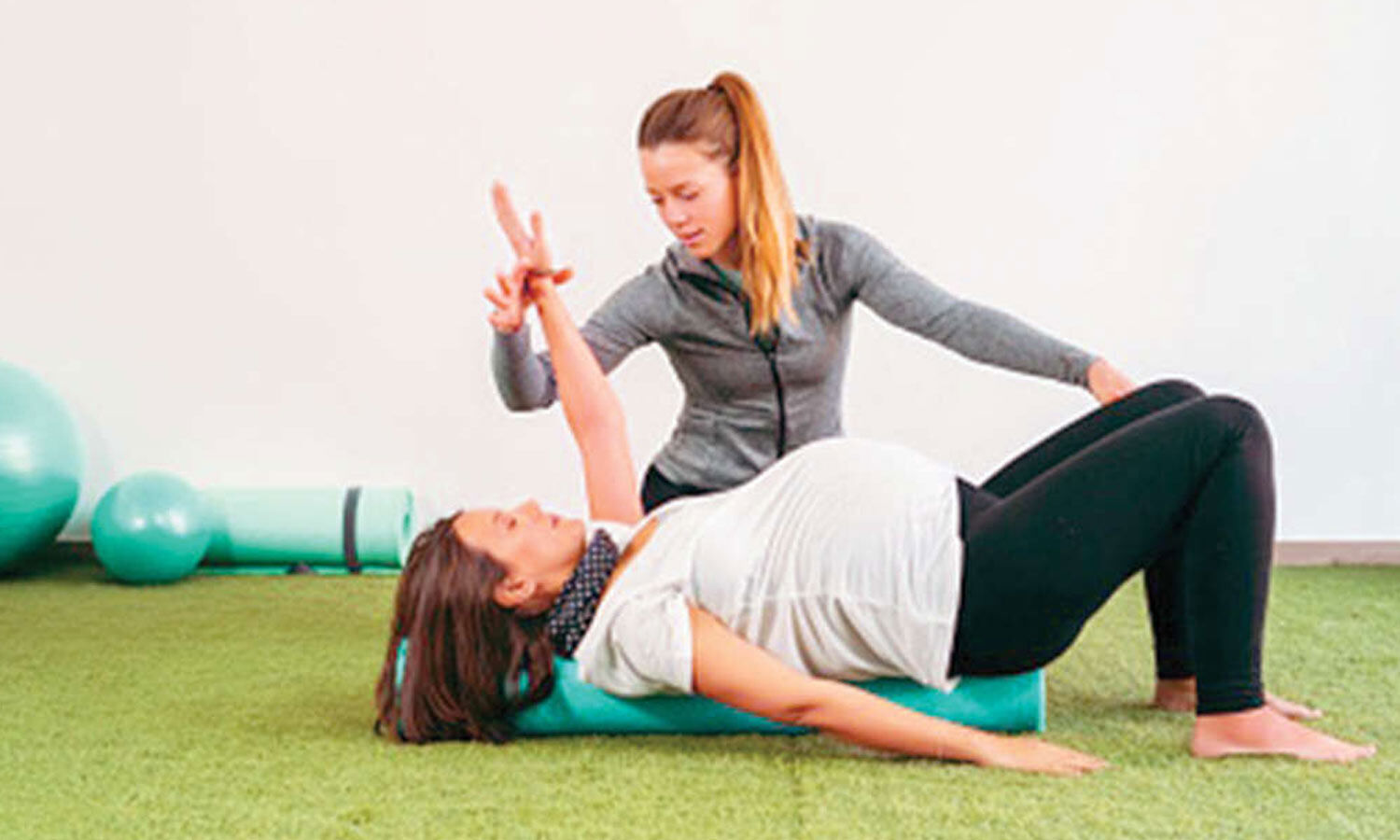
Pregnancy can make a woman’s back and pelvis work harder.
The growing baby can change posture and stretch the tummy muscles.
Pregnancy hormones can also make pelvic ligaments softer.
Mild aches that improve with rest or a new position are often normal.
Gentle movement, good posture and supportive shoes may help.
A physiotherapist can help if pain makes walking, climbing stairs or turning in bed difficult.
Severe pain or symptoms such as bleeding, fever, painful urination or numbness need urgent medical advice.
Women should talk with their maternity provider about pain that is persistent or getting worse.

Pregnancy can shift posture, stretch abdominal muscles and loosen pelvic ligaments, increasing back strain.
Mild, occasional pain that improves with rest or repositioning is often less concerning.
Physiotherapy may help when back or pelvic pain disrupts walking, stairs, bed movement or daily activities.
Treatment can include exercises, movement changes, posture advice, strengthening and, when suitable, a pelvic support belt.
Severe pain or pain with bleeding, fever, urinary symptoms, possible early labour or numbness requires medical attention.
- Who
- Pregnant women, their obstetricians or maternity providers, and physiotherapists experienced in pregnancy and pelvic health.
- What
- The article explains how to distinguish common pregnancy-related back pain from pain requiring physiotherapy or urgent medical care.
- Where
- Pain may affect the lower back, hips, pelvis or pubic region.
- When
- During pregnancy, particularly when pain is persistent, worsening or interfering with daily activities.
- Why
- Pregnancy-related physical and hormonal changes can increase stress on the back and pelvic joints.
Key facts
- Common causes
- A shifting centre of gravity, stretched abdominal muscles and softer pelvic ligaments can increase back strain.
- Less concerning pain
- Mild, occasional aching or stiffness that improves with rest or a change in position.
- When to consider physiotherapy
- When back or pelvic pain interferes with walking, stairs, turning in bed, getting into or out of a car, standing on one leg or changing positions.
- Possible physiotherapy support
- Specific exercises, posture and movement modifications, pelvic floor and core strengthening, and a pelvic support belt when appropriate.
- Self-management
- Good posture, back support while sitting, supportive footwear, gentle activity and appropriate rest may help.
- Urgent warning signs
- Severe pain with vaginal bleeding, fever, painful urination, possible early-labour symptoms, or new numbness in the legs, buttocks or genital area.
Sources
Related news

Pregnancy Exercise Guidance After Kiara Advani’s ‘Toxic’ Shoot

Specialised Physiotherapy Expands Beyond Injury Treatment

Samantha Ruth Prabhu Shares Modified Strength Training During Pregnancy
Why Pregnancy Causes Swollen Feet and How to Cope

Young Adults Face Rising Chronic Neck and Back Pain