1 hr ago
Why Gut Health Can Affect Vitamin B12 Absorption

Vitamin B12 helps your blood, nerves, and cells work properly.
Your digestive system must prepare B12 before your body can use it.
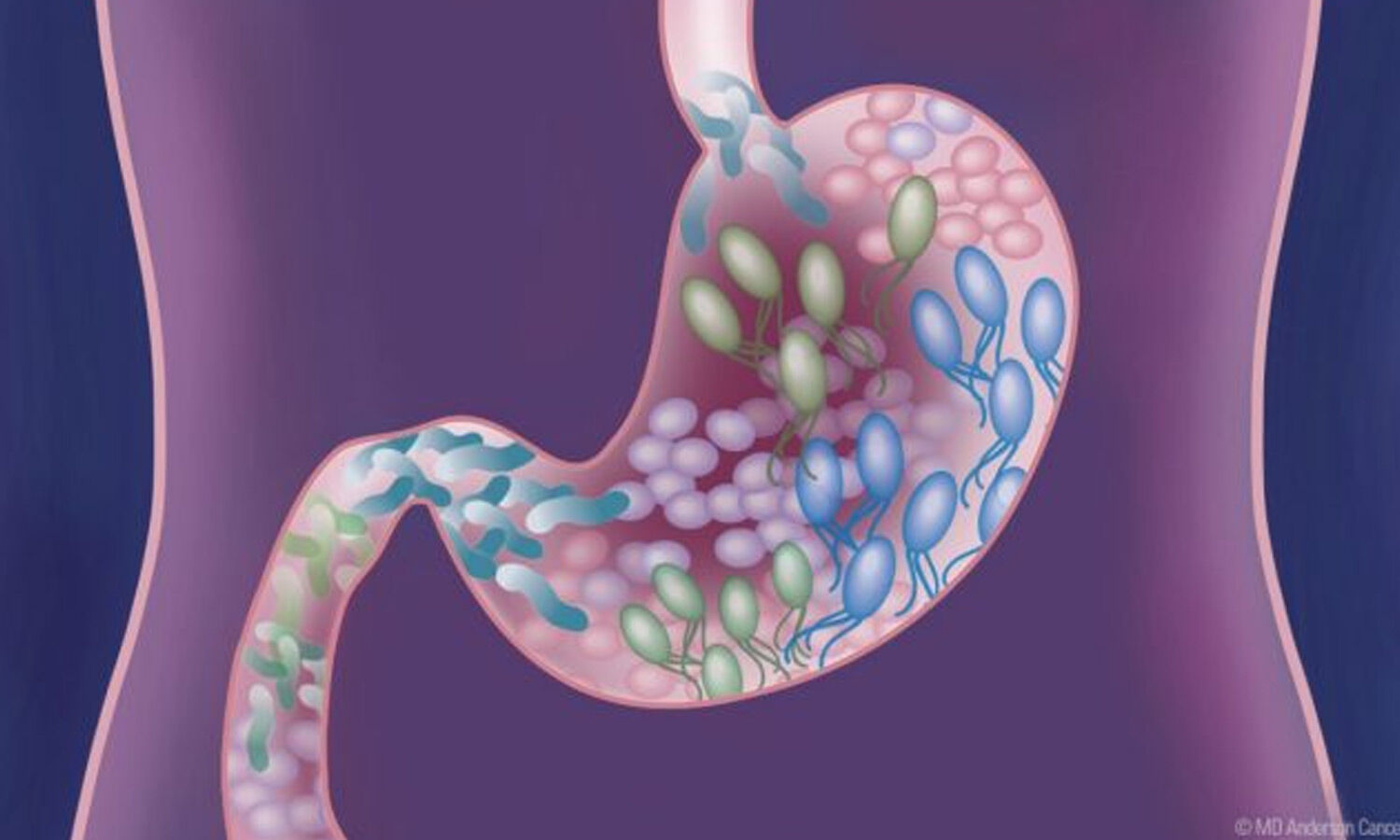
Problems with gut bacteria, stomach acid, or the intestines can make this harder.
Conditions such as celiac disease, Crohn's disease, and pernicious anemia may affect absorption.
Eating foods with probiotics and prebiotics may help support a healthy gut.
A doctor can check whether low stomach acid or another condition is involved.
People with a diagnosed deficiency may need B12 supplements or injections.
Medical advice is important because the right treatment depends on the cause.

Vitamin B12 supports red blood cell production, DNA synthesis, and healthy nerve cells.
Gut microbiome imbalances, low stomach acid, and intestinal disorders may interfere with B12 absorption.
Celiac disease, Crohn's disease, bacterial overgrowth, and pernicious anemia are identified as possible causes of poor absorption.
Probiotic and prebiotic foods may support gut health, while suspected stomach-acid problems require medical advice.
People diagnosed with B12 deficiency may need supplements, injections, or high-dose oral treatment under a doctor's supervision.
- Who
- People with vitamin B12 deficiency or digestive conditions that may interfere with B12 absorption.
- What
- The article explains how gut health may affect vitamin B12 absorption and discusses possible ways to address the problem.
- Where
- The digestive system, particularly the stomach and intestines.
- When
- No specific timeframe is given; medical evaluation is recommended when deficiency symptoms or concerns arise.
- Why
- Gut microbiome imbalances, low stomach acid, intestinal disorders, or pernicious anemia may reduce the body's ability to absorb vitamin B12.
Key facts
- Vitamin B12 functions
- It supports red blood cell production, DNA synthesis, and healthy nerve cells.
- Possible digestive factors
- Microbiome imbalance, low stomach acid, intestinal damage, and bacterial overgrowth may affect absorption.
- Associated conditions
- The article names celiac disease, Crohn's disease, and pernicious anemia as possible causes.
- Probiotic foods
- Yogurt, kefir, sauerkraut, and kimchi are listed as examples.
- Prebiotic foods
- Garlic, onions, and bananas are listed as sources of prebiotic fiber.
- Potential treatment
- Depending on the cause, treatment may include B12 supplements, injections, or high-dose oral supplements.
- Medical guidance
- The article advises consulting a doctor and monitoring treatment regularly.