

3 weeks ago
India's US envoy defends FCRA amendments citing national security concerns
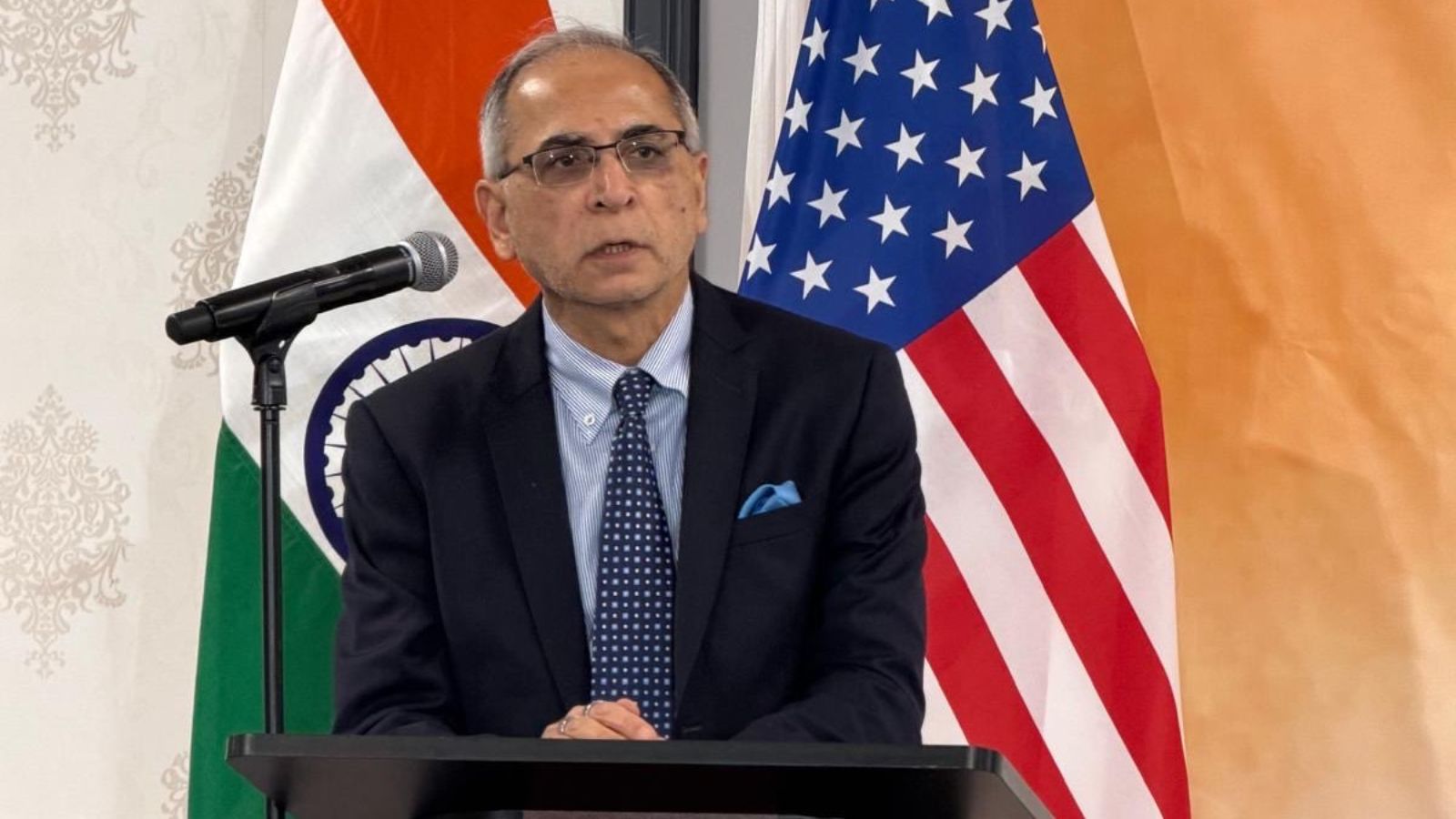
India has a law called the Foreign Contribution (Regulation) Act, or FCRA, that keeps track of money coming from other countries.
This money often goes to groups that help people, like charities, schools, and religious organisations.
India's government is making changes to this law.
Some people in the United States are worried about these changes.
An American lawmaker named Riley Moore said the new rules might let India's government take control of churches and charities.
India's ambassador to the US, Vinay Mohan Kwatra, went on the social media site X to explain why the changes are good.
He said every country should be able to decide how foreign money is used in public and political life to stay safe and secure.
India's foreign ministry spokesperson, Randhir Jaiswal, said India makes its own laws and pointed out that the United States also has rules about foreign funds.
The government says the changes will make foreign donations more transparent.

India's US ambassador Vinay Mohan Kwatra defended the FCRA amendments in posts on X on Monday.
The FCRA regulates foreign donations received by NGOs, civil society, educational institutions and religious organisations.
Kwatra said regulating foreign financial flows is a sovereign step driven by national security concerns.
US Republican Congressman Riley Moore voiced concern that the amendments could allow India's government to take control of churches and charities.
MEA spokesperson Randhir Jaiswal said legislative matters concerning India are internal affairs decided by Parliament.
- Who
- India's US ambassador Vinay Mohan Kwatra, US Republican Congressman Riley Moore, and MEA spokesperson Randhir Jaiswal
- What
- A public exchange over amendments to the Foreign Contribution (Regulation) Act (FCRA), which regulates foreign donations to NGOs, civil society, educational institutions and religious organisations
- Where
- India and the United States, via posts on X
- When
- Monday, days after Riley Moore voiced his concerns
- Why
- To counter objections to the FCRA amendments and explain that regulating foreign financial flows is a sovereign step driven by national security
Opponents of the amendments
Indian government
Control over churches and charities
Opponents of the amendments
Riley Moore claimed the amendments would allow the Indian government to take control of churches and charities.
Indian government
Kwatra said regulating foreign financial flows in public and political spaces is a sovereign step driven by national security concerns.
Who should decide India's laws
Opponents of the amendments
A US lawmaker publicly voiced concern over the amendments, drawing international attention to India's legislative changes.
Indian government
Jaiswal said legislative matters concerning India are internal affairs decided by Parliament, and noted several nations including the US regulate the flow of foreign funds.
Purpose of the amendments
Opponents of the amendments
Concerns were raised that the changes could give the government control over charitable and religious bodies.
Indian government
The amendments are aimed at bringing more transparency to foreign donations, according to India's US envoy.
Key facts
- Subject
- Amendments to the Foreign Contribution (Regulation) Act (FCRA)
- Scope of FCRA
- Regulates foreign donations to NGOs, civil society, educational institutions and religious organisations
- India's US envoy
- Vinay Mohan Kwatra
- US critic
- Republican Congressman Riley Moore
- MEA spokesperson
- Randhir Jaiswal
- Kwatra's rationale
- Sovereign step driven by national security concerns; cites similar US laws
- Platform
- Posts on X
- Timing
- Kwatra's posts on Monday, days after Moore's comments
Quotes

Vinay Mohan Kwatra
India’s ambassador to the United States
“We have seen the comments. Legislative matters concerning India are our internal affairs on which decisions are taken by the Parliament of our country, I would also like to point out that there are several nations, including the United States, which regulate the flow of foreign funds.”
 indianexpress.com
“regulating foreign financial flows in public and political spaces is a sovereign step driven by national security concerns”
indianexpress.com
Sources
Related news
India Rejects US Lawmaker's FCRA Criticism as Internal Affair
India's envoy debunks FCRA bill myths amid US lawmakers' concerns
India rejects US criticism of FCRA bill as internal affair
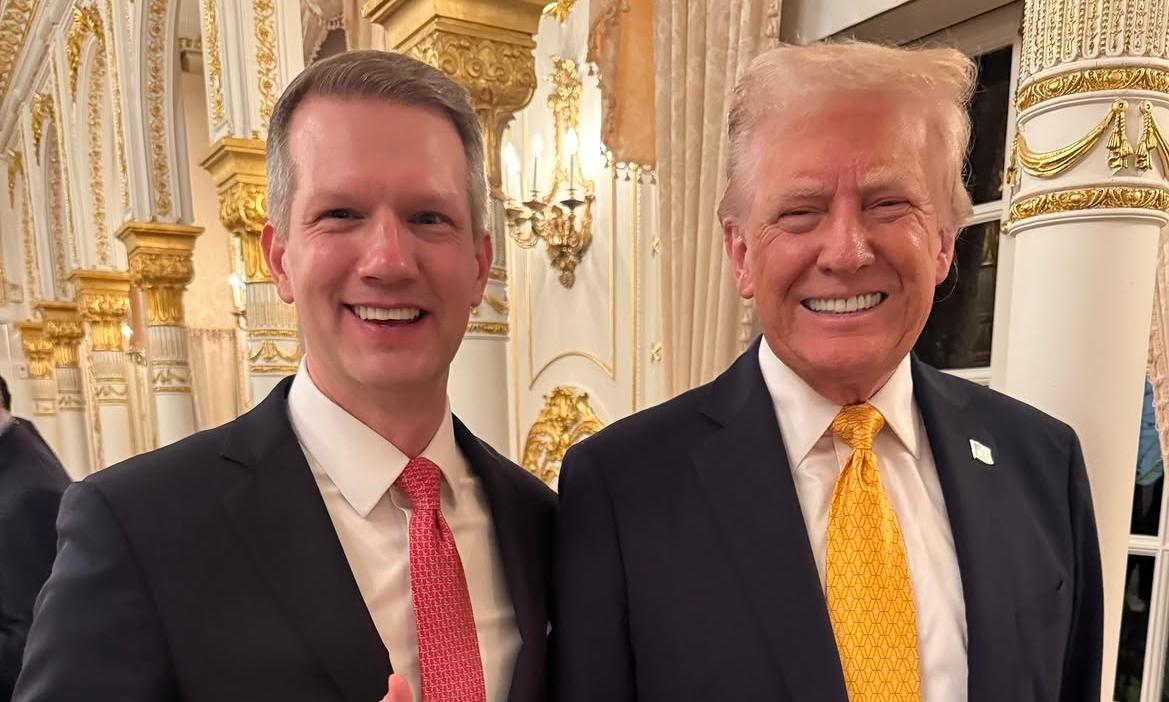
US Lawmaker Warns India's FCRA Bill Could Hit Bilateral Ties
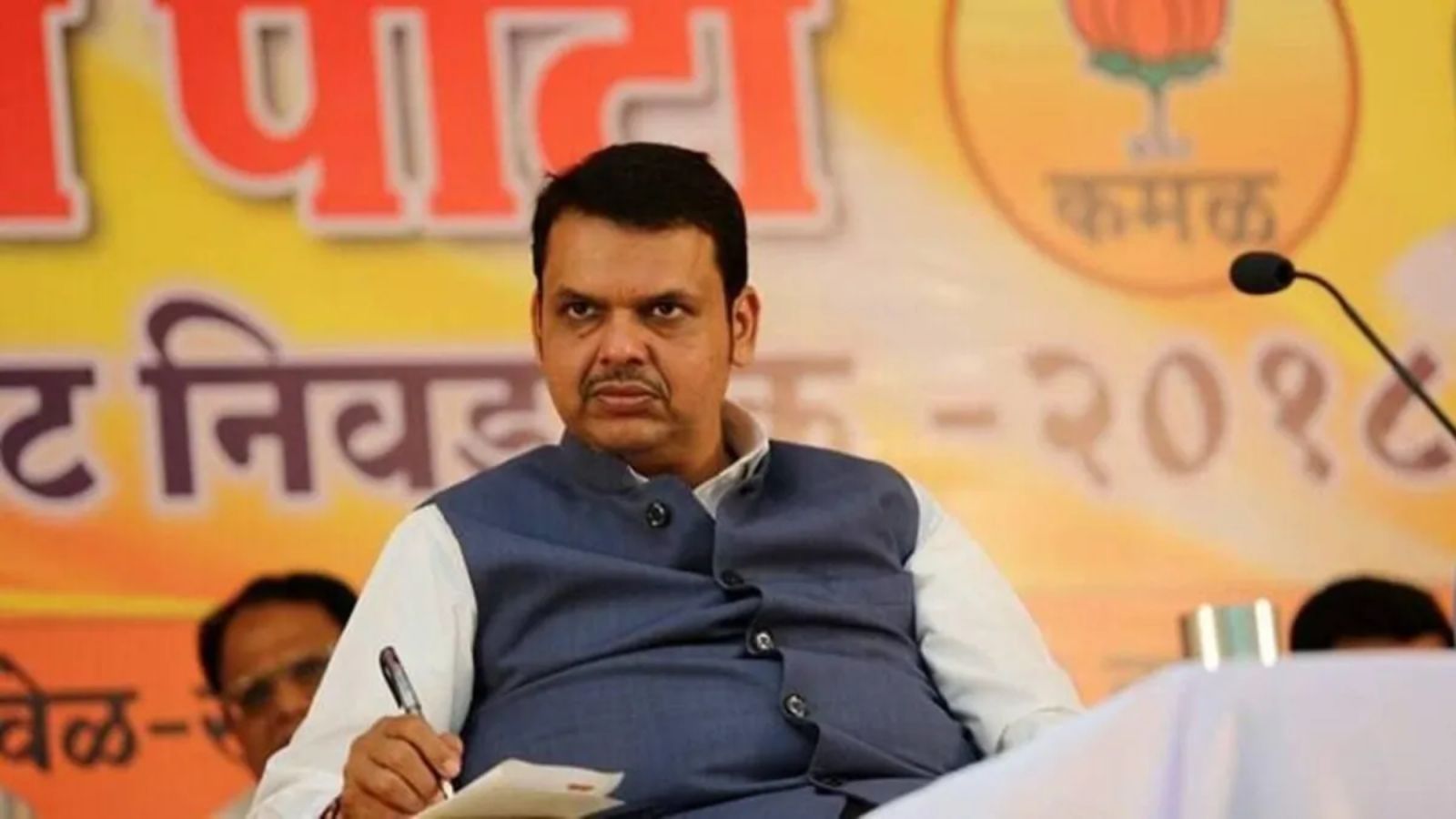
Fadnavis: FCRA amendment bill not against any religion or community

Indian Ambassador Says US Has Similar Foreign Funding Laws
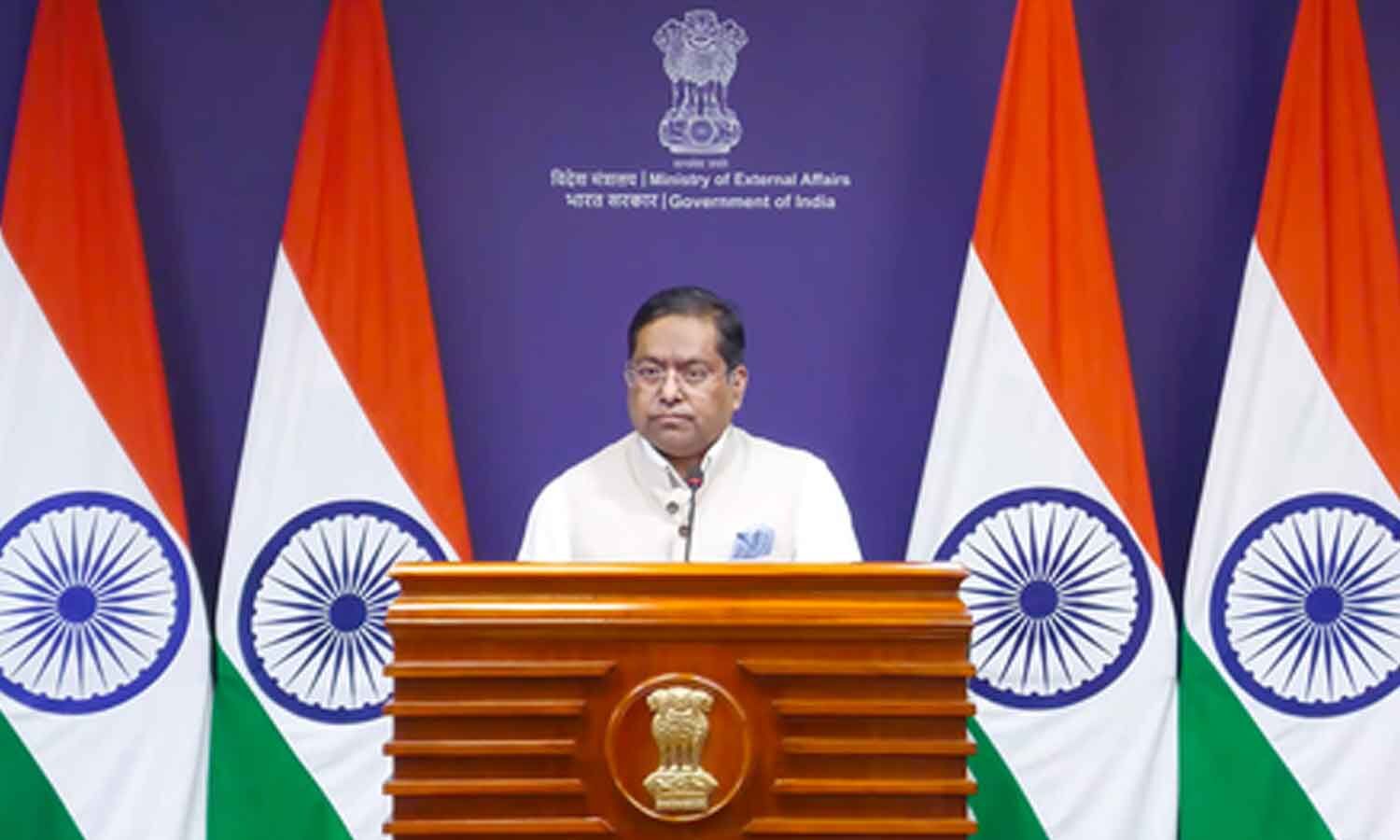
India Condemns Demolition of Century-Old Hindu Temple in Pakistan

Pakistan Seeks Dialogue as India Rejects Indus Treaty Ruling

Kargil Opens Second Passport Seva Kendra for Easier Access
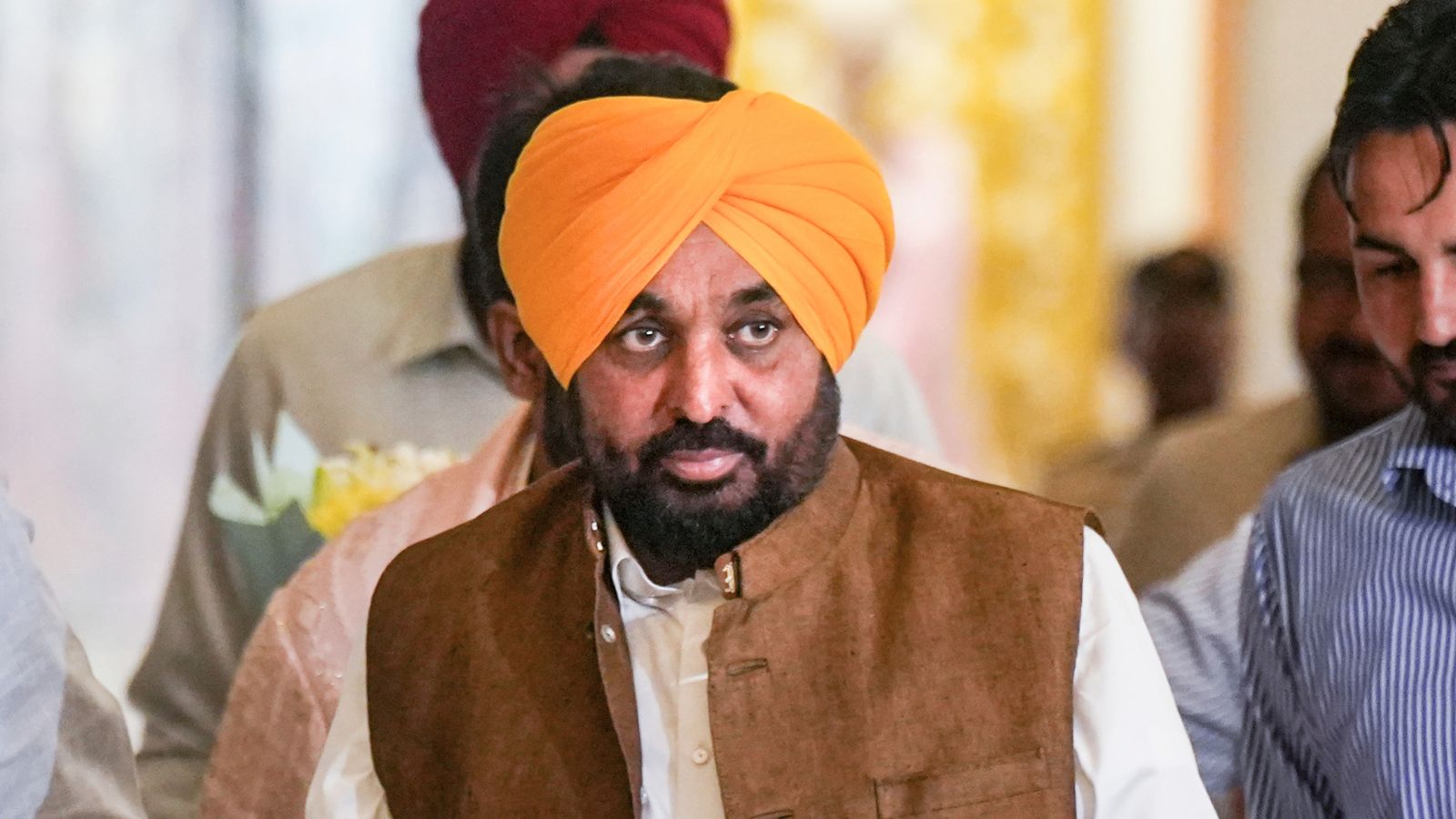
Punjab CM's Europe Visit Hangs on Centre's Clearance
Jaishankar to Visit Ukraine and Poland Amid Black Sea Tensions
