4 hrs ago
Haryana Voter Rolls Reveal Legacy of Unwanted Daughter Names
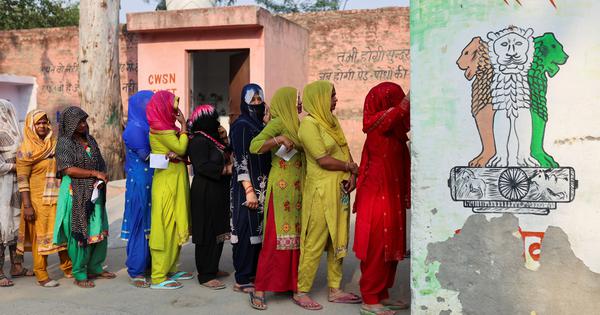
In some Haryana families, girls were given names that suggested there were already too many daughters.
Names such as Bhateri, Kafi and Anchahi could mean “enough,” “surplus” or “unwanted.”
These names showed that sons were often valued more than daughters.
Some women said their names made them feel ashamed or embarrassed.
Younger women were more likely to question and reject these names.
One woman began using the name Tamanna instead of Maafi in her marital village.
Other girls were given names based on fruits and sweets, which could also treat them carelessly.
The number of such names may have declined partly because sex-determination technology reduced the birth of additional daughters.
The article says Haryana still shows signs of continuing preference for boys.

Names such as Bhateri, Bharpai, Khatam, Anchahi and Maafi reflected families’ preference for sons.
Women interviewed described these names as humiliating reminders that daughters were viewed as burdens or unwanted.
The names were reportedly common from the 1940s and 1950s through later decades, especially among fourth or fifth daughters.
Sex-determination technology may have reduced the number of families having many daughters, rather than eliminating gender bias.
Haryana’s sex ratio at birth improved from 879 girls per 1,000 boys in 2011 to 923 in 2019, but fell to 895 in the first half of 2026.
- Who
- Women in Haryana, including those interviewed by the author, and families represented in voter rolls.
- What
- The article examines disparaging and patronising names given to daughters and what they reveal about gender bias.
- Where
- Haryana, including communities near Rohtak and the village of Dubaldhan Majra.
- When
- The names were reported across generations from the 1940s and 1950s onward; the article focuses on the 2002 voter rolls and recent sex-ratio figures.
- Why
- The names were used in families that preferred sons and viewed repeated births of daughters as undesirable or excessive.
Key facts
- 2002 voter rolls
- The names were noticed while examining Haryana’s voter list for a Special Intensive Revision exercise.
- 1981 sex ratio
- Haryana recorded 870 females per 1,000 males, compared with a national average of 933.
- Examples of disparaging names
- Bhateri, Bharpai, Khatam, Anchahi, Kafi, Antima and Maafi conveyed meanings such as enough, finish, unwanted or forgiveness.
- Later naming patterns
- Names including Seema, Khamosh and Santosh used softer language to suggest limits or satisfaction after repeated female births.
- Food-based names
- Santro, Angoori, Kelo, Anaro, Pataso and Barfi were based on fruits or sweets.
- Sex ratio at birth
- Haryana’s ratio rose from 879 girls per 1,000 boys in 2011 to 923 in 2019.
- Latest figure cited
- The ratio fell to 895 girls per 1,000 boys in the first half of 2026.
Quotes
Bhateri
A woman from the author’s neighbourhood who bears the name Bhateri.
“It is humiliating to be labelled as a burden to your family.”
 scroll.in
“Ayein, kitni bhaan ho tham? Tu aakhri hai ke?”
scroll.in
Sources
Related news
Haryana Voter Revision Spotlights Identity Crisis for Migrant Brides
Congress Questions Haryana’s Falling Sex Ratio Despite Beti Bachao
Haryana Clarifies Stamp Duty Exemption for Daughters’ Children
Haryana BJP Push for Meghwal Certificates Sparks Chamar Community Row
Maharashtra Family Welcomes First Daughter in Nearly 200 Years

Gen Z Parents Favor Meaningful, Vintage, Gender-Neutral Baby Names
CBI Files Third Chargesheet in Alleged ₹504 Crore Haryana Fraud
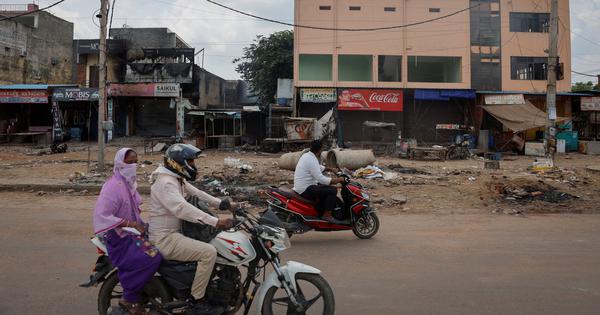
Hindutva Boycott Calls Target Muslim Livelihoods Across India

Delhi, Mumbai Set for More Rain, Heavy Showers Elsewhere
Haryana Government Transfers 29 IPS Officers and One HPS Officer