

2 weeks ago
Haryana Voter Revision Spotlights Identity Crisis for Migrant Brides
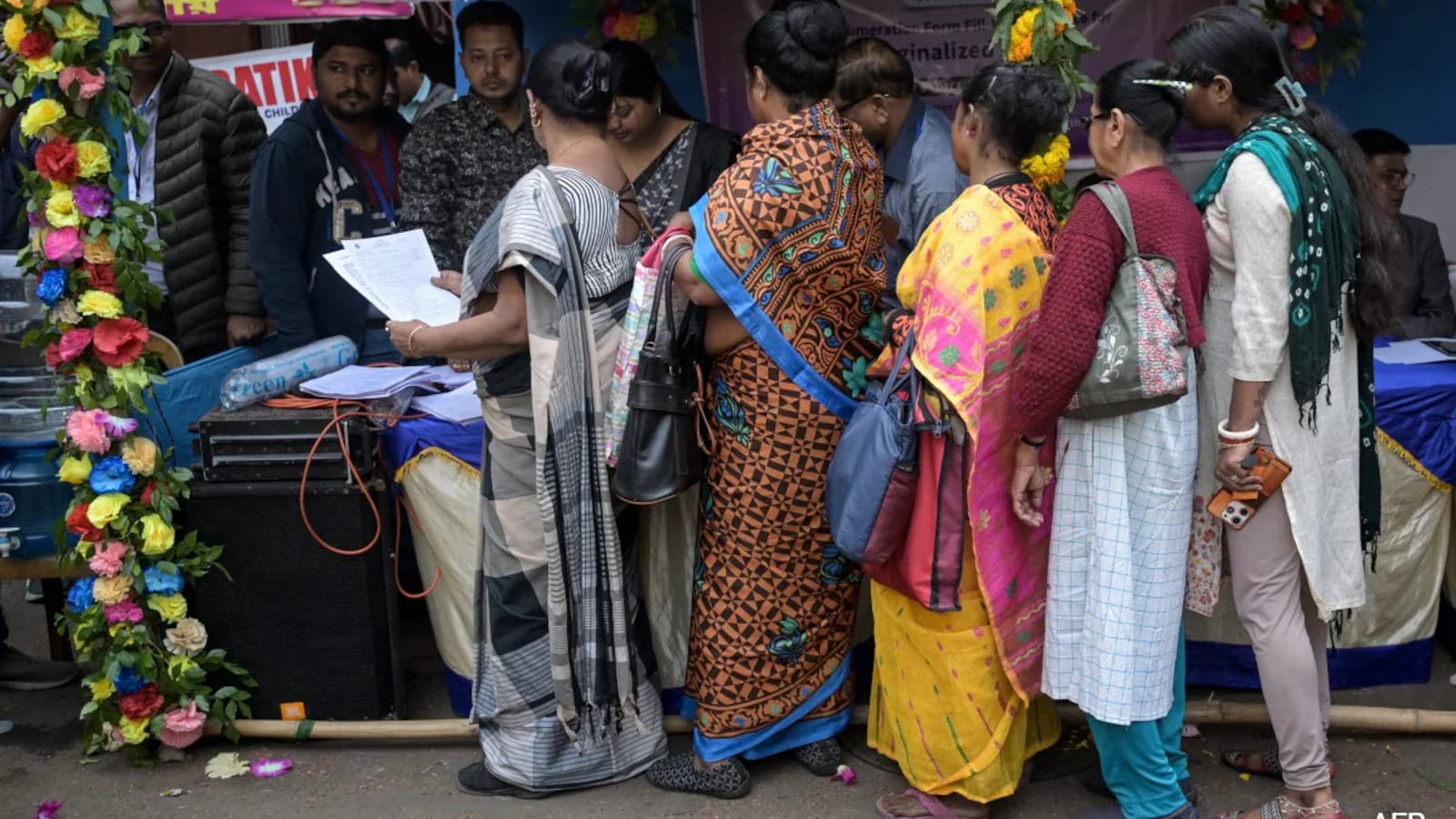
Haryana is a state in India.
Long ago, some families there could not find brides nearby, so they married women from faraway states like West Bengal and Uttar Pradesh.
Those women moved to Haryana and lived there for many years.
Some have been there for 20 or 25 years, raised children, and voted in elections.
Now the government is checking old voting lists from the year 2002.
To stay on the new list, people must show where they or their parents lived back then.
Many of these women cannot find their parents' old records, and some parents have died.
So the women are afraid they might lose the right to vote.
They also worry this could cause problems for their children later.

Haryana's Special Intensive Revision (SIR) of electoral rolls requires voters to link their identity to the 2002 electoral rolls, directly or through their parents.
Women who married into Haryana from West Bengal, Uttar Pradesh, Bihar, Assam and other states say they are being asked to prove parental linkages they left behind decades ago.
Haryana's historically skewed sex ratio led families in several districts to bring brides from other parts of the country, many of whom lost contact with their parental homes.
Under the SIR rules, voters born before July 1, 1987 can establish eligibility with their own documents, while those born between July 1, 1987 and December 2, 2004 must also submit documents relating to their parents.
The Election Commission has listed acceptable documents including government or PSU identity cards, birth certificates, passports, educational certificates, caste certificates and family registers.
- Who
- Women who migrated to Haryana after marriage from West Bengal, Uttar Pradesh, Bihar, Assam and other states, including Sangeeta, Tulsi Devi and Rinka of Kaithal, along with Haryana officials such as Kaithal SDM Ajay Hooda and the Election Commission.
- What
- A Special Intensive Revision of Haryana's electoral rolls is requiring voters to link their names to the 2002 electoral rolls, either directly or through their parents, creating an identity crisis for many migrant brides.
- Where
- Haryana, India, especially Kaithal district and its Seemla village.
- When
- The draft electoral roll was prepared on July 31 and notices were subsequently issued to voters in different categories, with the verification exercise ongoing.
- Why
- Many migrant brides cannot produce decades-old parental electoral records because their parents have died or moved, or the records are untraceable, leaving them at risk of losing their votes and facing difficulties with government schemes and documentation.
Key facts
- Exercise
- Special Intensive Revision (SIR) of electoral rolls
- State
- Haryana, India
- Key reference
- 2002 electoral rolls
- Draft electoral roll prepared
- July 31
- Born before July 1, 1987
- Eligibility can be established through own documents
- Born July 1, 1987 - December 2, 2004
- Must submit documents relating to self and parents
- Affected group
- Women married into Haryana from West Bengal, Uttar Pradesh, Bihar, Assam and other states
- Document categories not applicable in Haryana
- Forest Rights Certificates; National Register of Citizens records
Quotes
Rajjo Devi
Mother‑in‑law of Sangeeta, Kaithal
“"I have all my documents here and have been voting here for years. I am less worried about losing my own vote than about what this could mean for my children. What if tomorrow my parents' voter record becomes a mandatory document? Where will I get it from? I came here after marriage and never went back."”
 NDTV
NDTV
“"I came from West Bengal after marriage 25 years ago. My parents died when I was only five. Now they are asking for their voter records. Where am I supposed to get those records from?"”
NDTV
Sources
Related news

Ex-Envoy Questions Citizenship Proof Demands During Punjab SIR
Jharkhand Villagers Fear Citizenship After BJP Voter Objections
SIR Voter Verification System Draws Criticism From Senior Officials

Election Commission Announces Special Voter Roll Drives Across Haryana
Uttarakhand electoral roll revision triggers notices to 19.3 lakh voters
Ex-Diplomat Navdeep Suri Questions Punjab Electoral Roll Citizenship Process
Congress Questions Haryana’s Falling Sex Ratio Despite Beti Bachao
Haryana Says Ayushman Bharat Health Services Continue Despite IMA Call

Private Hospitals Flag Ayushman Bharat Payment Delays and Claim Deductions

Haryana Records Highest SGST Growth Among States in 2026-27
Haryana sanitation workers’ strike puts BJP government under pressure