

1 week ago
DMK Plans 110 District Posts, Centralising Party Power
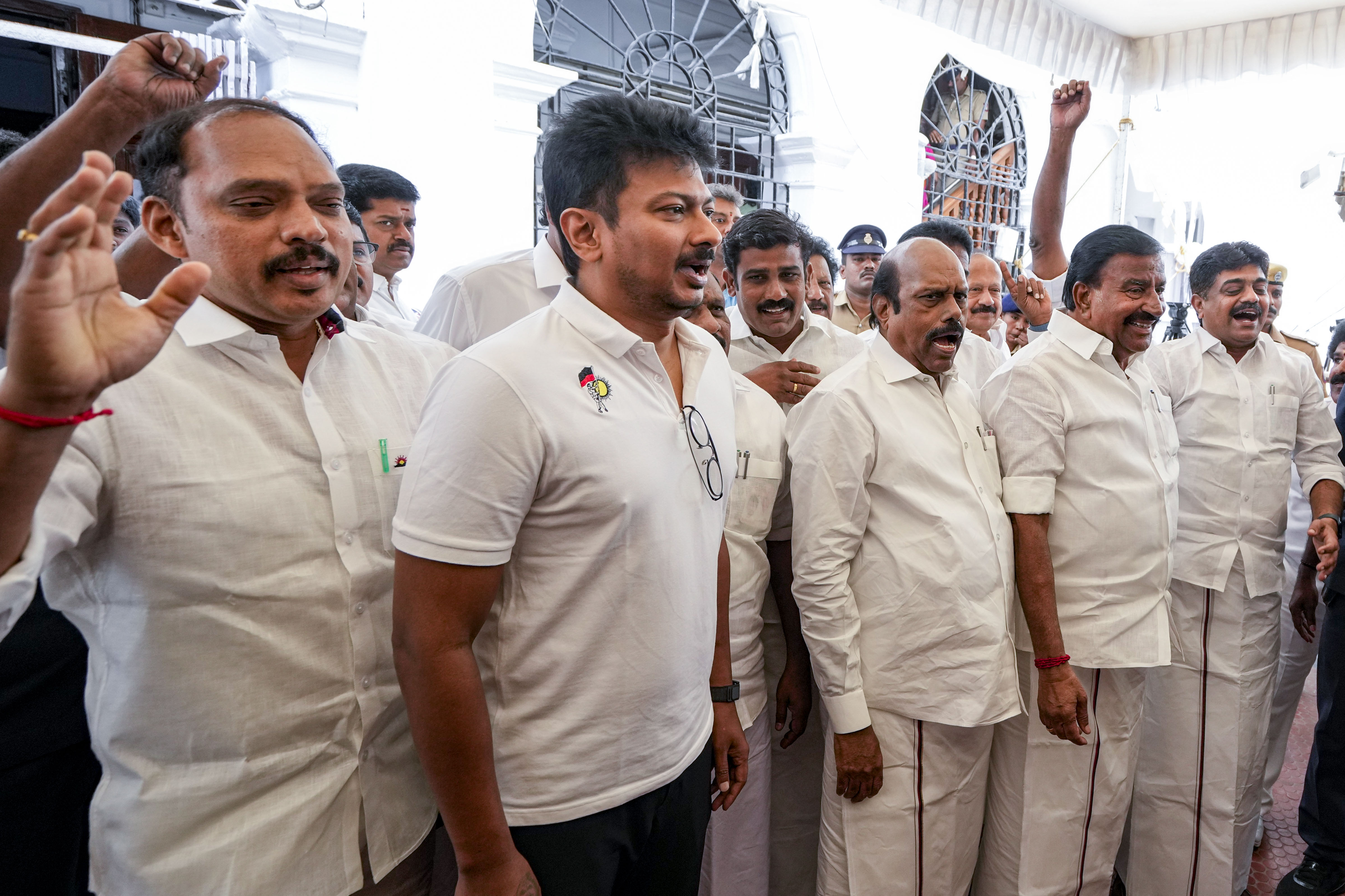
The DMK wants to divide its organisation into 110 smaller districts.
Each district secretary would oversee about two Assembly constituencies.
This would give the State leadership more control over the party.
Many older or powerful regional leaders could lose their current influence.
Around 20 secretaries may be replaced, and about 30 new ones may be appointed.
Younger leaders are being considered for some posts, especially around Chennai.
The DMK once relied on a small group of powerful leaders who worked closely with party members.
The article says the new structure might help the party, but organisation alone may not be enough if people’s opinions and local political conditions do not change.

The DMK plans to create 110 district secretary posts, roughly one for every two Assembly constituencies.
The restructuring is expected to concentrate organisational authority with the State leadership and reduce the influence of existing regional leaders.
About 20 district secretaries will be replaced, while around 30 new secretaries are expected to be appointed soon.
In Chennai and surrounding districts, younger leaders including Prabhakar Raja, Karthick Mohan and Ezhilan Naganathan are reportedly contenders.
The DMK’s 24.19% vote share in the 2026 Assembly elections has prompted questions about whether organisational changes alone can restore its electoral strength.
- Who
- The Dravida Munnetra Kazhagam, its State leadership, existing district secretaries and potential younger replacements.
- What
- A proposed expansion to 110 district secretary posts, involving the replacement of about 20 secretaries and the appointment of around 30 new leaders.
- Where
- Across Tamil Nadu, including Chennai and the districts of Chengelpet, Kanchipuram and Thiruvallur.
- When
- The changes are expected to take place soon, following the 2026 Assembly elections.
- Why
- The restructuring is intended to reorganise the party, but the article says it may also centralise power and questions whether organisational changes can address the DMK’s electoral difficulties.
Centralisation Concerns
Organisational Renewal
Effect of 110 district secretaries
Centralisation Concerns
Critics may view the structure as concentrating authority with the State leadership and weakening established regional leaders.
Organisational Renewal
Supporters may view smaller organisational units as a way to introduce new leaders and improve the party’s local structure.
Replacing established leaders
Centralisation Concerns
The change could remove the influence of leaders with long-standing grassroots networks and ideological or organisational experience.
Organisational Renewal
The proposed appointments could bring younger faces into leadership, including contenders identified in the Chennai region.
Can restructuring restore electoral strength?
Centralisation Concerns
The article argues that changing party organisation without understanding ground conditions, public sentiment and changing political needs may not be sufficient.
Organisational Renewal
The reorganisation could potentially help revive the DMK after its reported 24.19% vote share in the 2026 Assembly elections.
Key facts
- Planned district posts
- 110
- Expected replacements
- About 20 district secretaries
- Expected new appointments
- About 30 district secretaries
- Proposed coverage
- Approximately one district secretary for every two Assembly constituencies
- 2026 vote share
- The DMK polled 24.19% in the 2026 Assembly elections
- Chennai-area performance
- The DMK won 2 of 37 constituencies in Chennai and the surrounding districts named in the article
Sources
Related news
Stalin Revamps DMK, Expands Party Districts Ahead of Polls
DMK Overhauls Organisation With Age Caps and Term Limits

Stalin Announces DMK Organisational Reboot After Election Defeat

DMK Principal Executive Committee Meet Sparks Party Revamp Speculation
DMK Executive Meet May Expand District Units Beyond 100
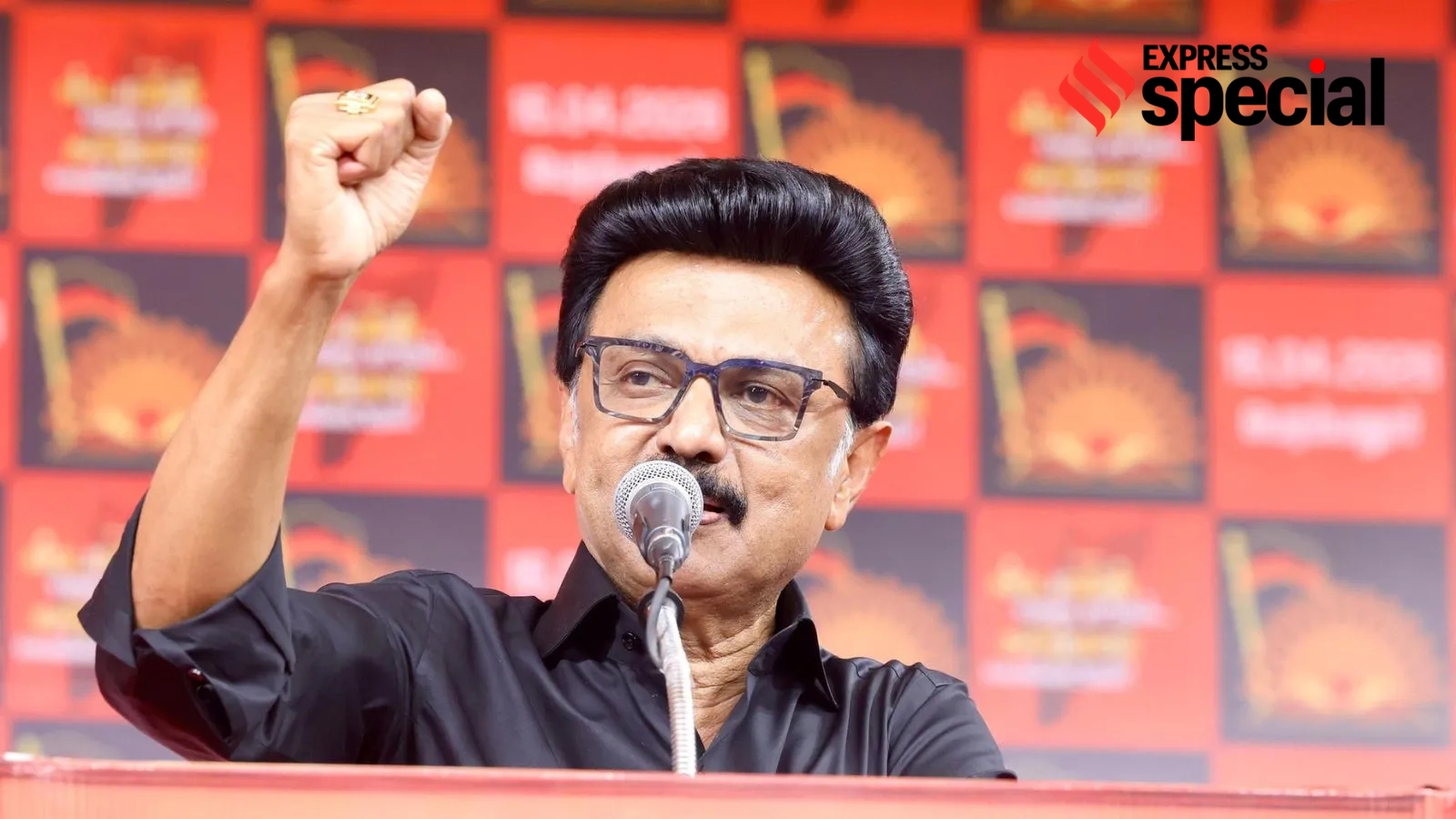
DMK Accepts Defeat but Struggles to Understand What Defeated It

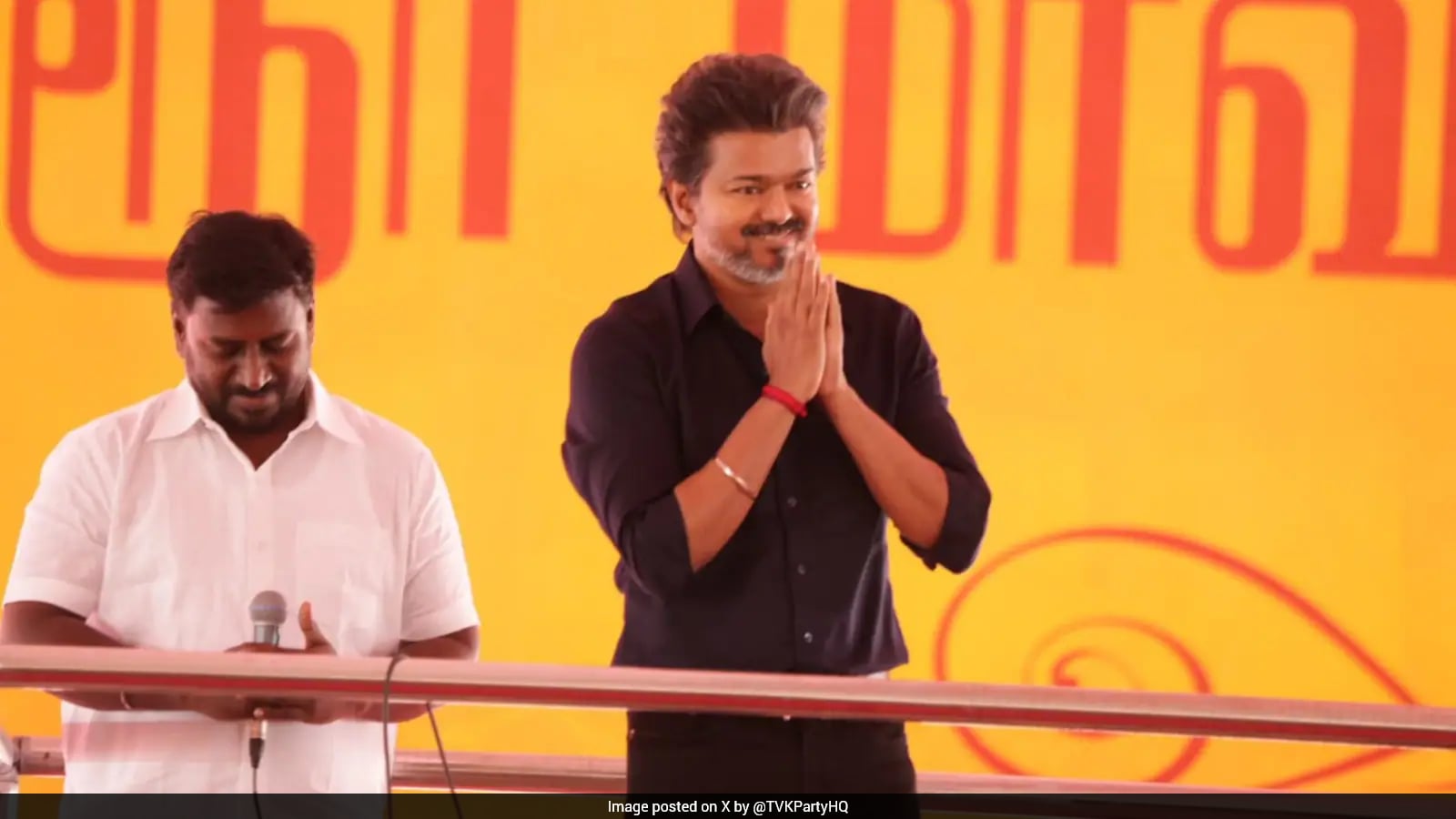
TVK’s Vijay-for-PM Push Meets Congress Resistance Ahead of 2029
Congress Backs Rahul Gandhi Over Vijay for 2029 PM
Tamil Nadu Moves to Withdraw Farmers’ and Teachers’ Protest Cases
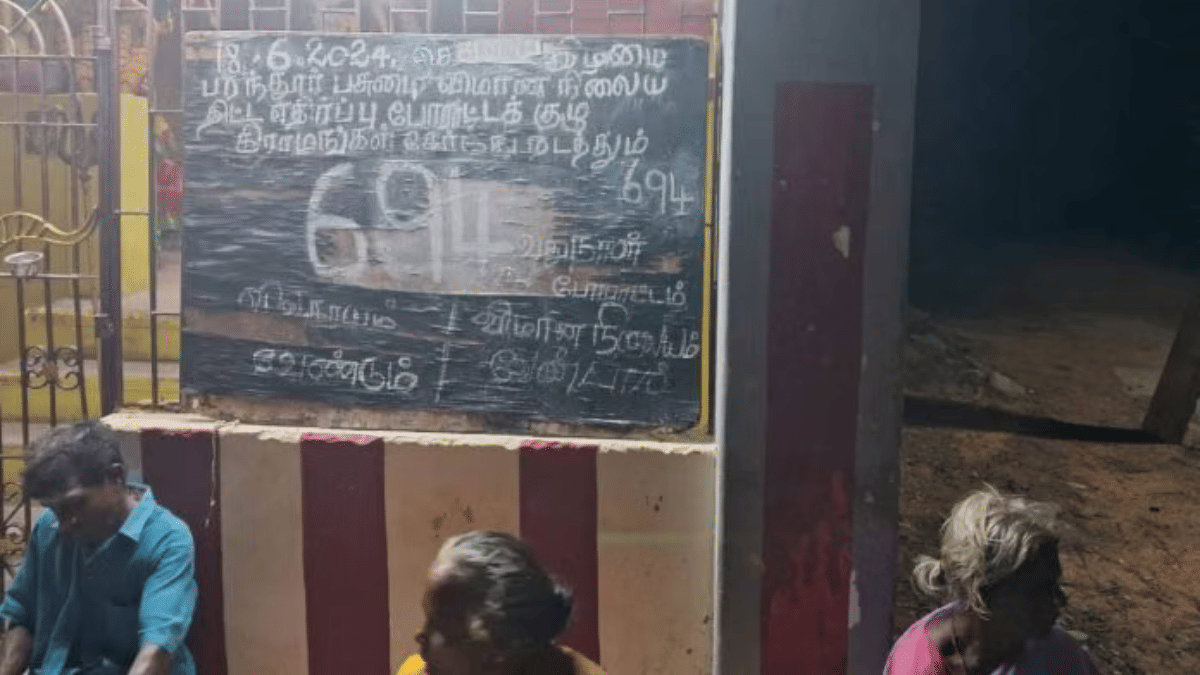
Vijay Government to Withdraw Cases Against Farmers, Teachers
Tambaram Councillors Flag Water, Drainage and Civic Inaction
