1 week ago
DMK Accepts Defeat but Struggles to Understand What Defeated It
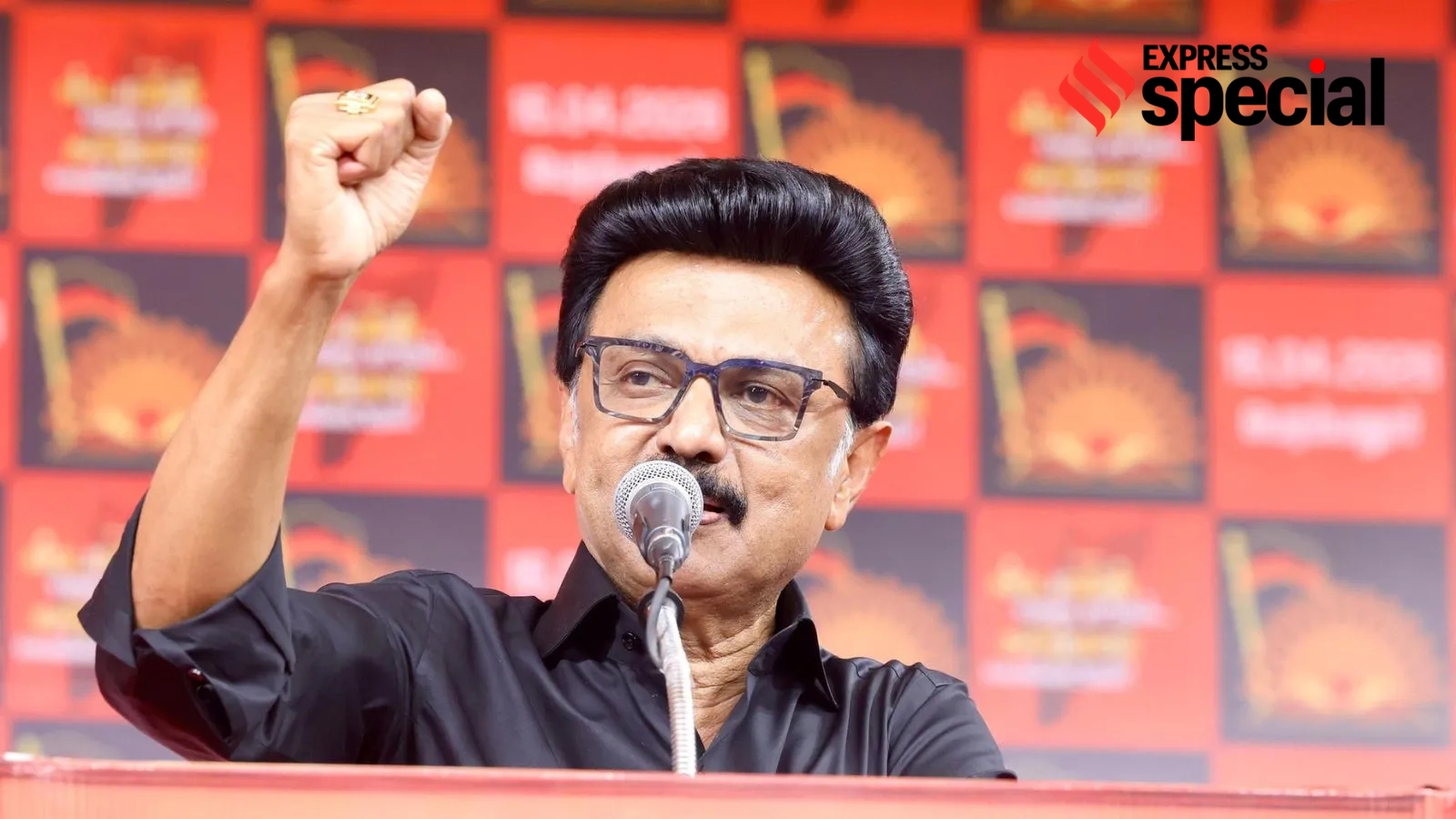
The DMK lost an election in Tamil Nadu, and its leader M K Stalin is trying to understand why.
Stalin said the party made mistakes and needs to improve how it is organised.
He proposed checking its membership and giving younger and newer people more chances to lead.
But some people believe the loss was about more than party management.
A newer party led by C Joseph Vijay attracted voters through his celebrity, online presence and promise of change.
Many voters appeared willing to support people without long political careers.
This challenged the DMK’s belief that political power must come from years of activism and organisation.
The party now has to decide whether it only needs better internal machinery or must understand how voters’ expectations have changed.

M K Stalin acknowledged the DMK’s election mistakes and backed proposals to overhaul its organisation.
The proposed reforms include verifying membership, limiting some terms and ages, holding organisational elections and promoting newcomers.
The analysis argues that organisational weaknesses alone do not explain the DMK’s defeat by C Joseph Vijay’s TVK.
Vijay’s appeal drew on fandom, digital culture, first-time political workers and voter exhaustion with the established political order.
DMK figures say the party must understand why voters turned to a newer force that inherited elements of the Dravidian movement’s political world.
- Who
- The DMK, led by party president and former Tamil Nadu Chief Minister M K Stalin, and the TVK led by Chief Minister C Joseph Vijay.
- What
- The DMK is reviewing its election defeat and proposing organisational reforms while debating whether the loss reflected a deeper change in voter expectations.
- Where
- Tamil Nadu, including a DMK executive committee meeting in Chennai.
- When
- Three months after the DMK was defeated and removed from power in Tamil Nadu.
- Why
- Stalin said the party needed to acknowledge its mistakes and strengthen its organisation, while critics argued it must also understand why voters chose the newer TVK.
Organisational Reform
Deeper Political Change
What caused the defeat?
Organisational Reform
The party’s inaccessible office-bearers, questionable membership figures, entrenched local hierarchies and limited opportunities for newcomers weakened it and require reform.
Deeper Political Change
The TVK did not win because it had better district secretaries; its appeal reflected fandom, digital culture, first-time political workers and voter exhaustion with the established order.
What should the DMK do next?
Organisational Reform
The party should acknowledge its mistakes, improve its internal machinery, strengthen its organisation and draw on its history and institutional memory.
Deeper Political Change
The DMK must understand why voters rejected its traditional qualifications for power and why people influenced by the Dravidian movement still chose Vijay.
Meaning of Vijay’s victory
Organisational Reform
The DMK argues that Vijay came to power without the years of public work, struggles, ideology and organisational structure it considers essential to political legitimacy.
Deeper Political Change
Voters may be using a different definition of political legitimacy, showing that long service and established ideology no longer automatically secure their support.
Key facts
- Party leader
- M K Stalin, DMK president and former Chief Minister of Tamil Nadu
- Election outcome
- The DMK was routed from power, and Stalin lost his constituency
- Review process
- A 38-member committee examined the defeat, while tens of thousands of suggestions were submitted through a website
- Organisational proposals
- Age limits, position tenures, genuine membership enrolment, organisational elections and greater opportunities for newcomers
- Electoral challenger
- C Joseph Vijay’s TVK defeated the DMK
- Core debate
- Whether the defeat resulted mainly from organisational failures or from a broader shift in voter expectations
- Historical strength
- The DMK has survived previous defeats and views its institutional memory as a major asset
Quotes
A veteran academic from a Dravidian political family
Academic commenting on the DMK’s proposed organisational response
“It is a little like discovering that the neighbourhood has switched from newspapers to smartphones and responding by improving the newspaper’s distribution network.”
 indianexpress.com
“If people without sufficient struggle, ideology or organisation defeated a party possessing all three, what exactly did voters choose?”
indianexpress.com
Sources
Related news

Stalin Announces DMK Organisational Reboot After Election Defeat

Stalin Criticizes CM Vijay Over Assembly Conduct and DMK Reforms
Stalin Revamps DMK, Expands Party Districts Ahead of Polls

DMK Principal Executive Committee Meet Sparks Party Revamp Speculation
CPI(M) Faces Kannur Crisis As Vijayan Defends Party
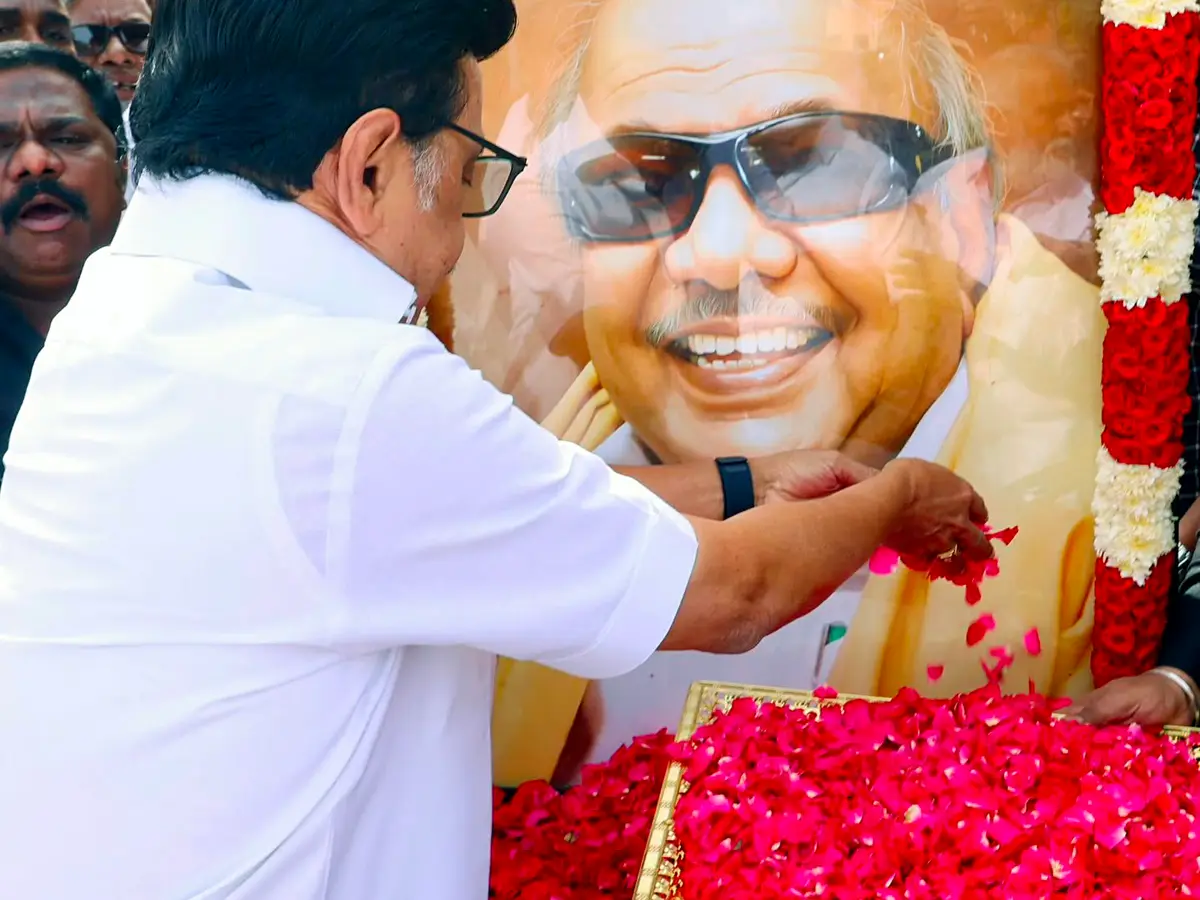
DMK Overhauls Organisation With Age Caps and Term Limits
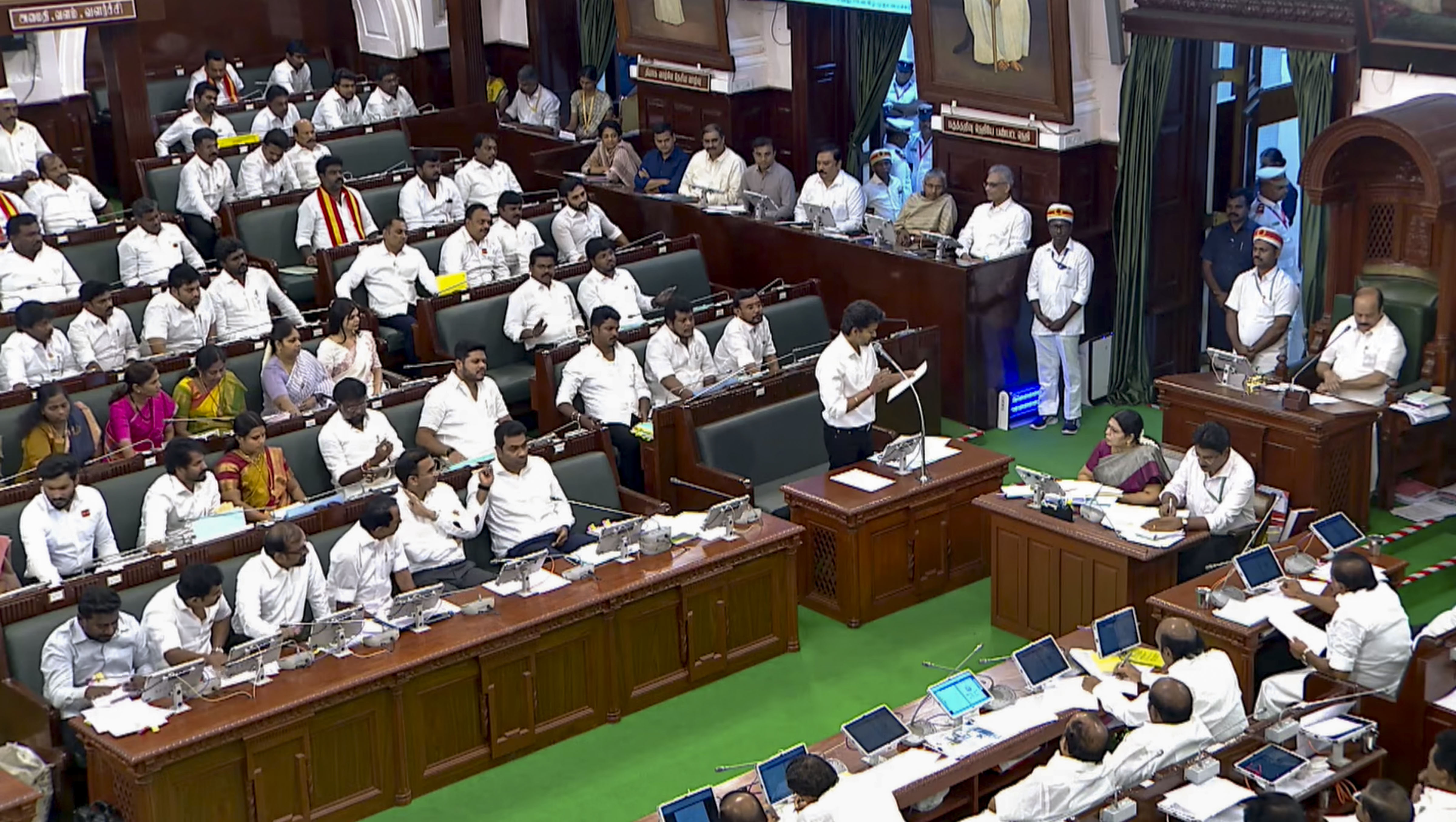
Tamil Nadu Assembly Debates Snake Curses and Rationalism
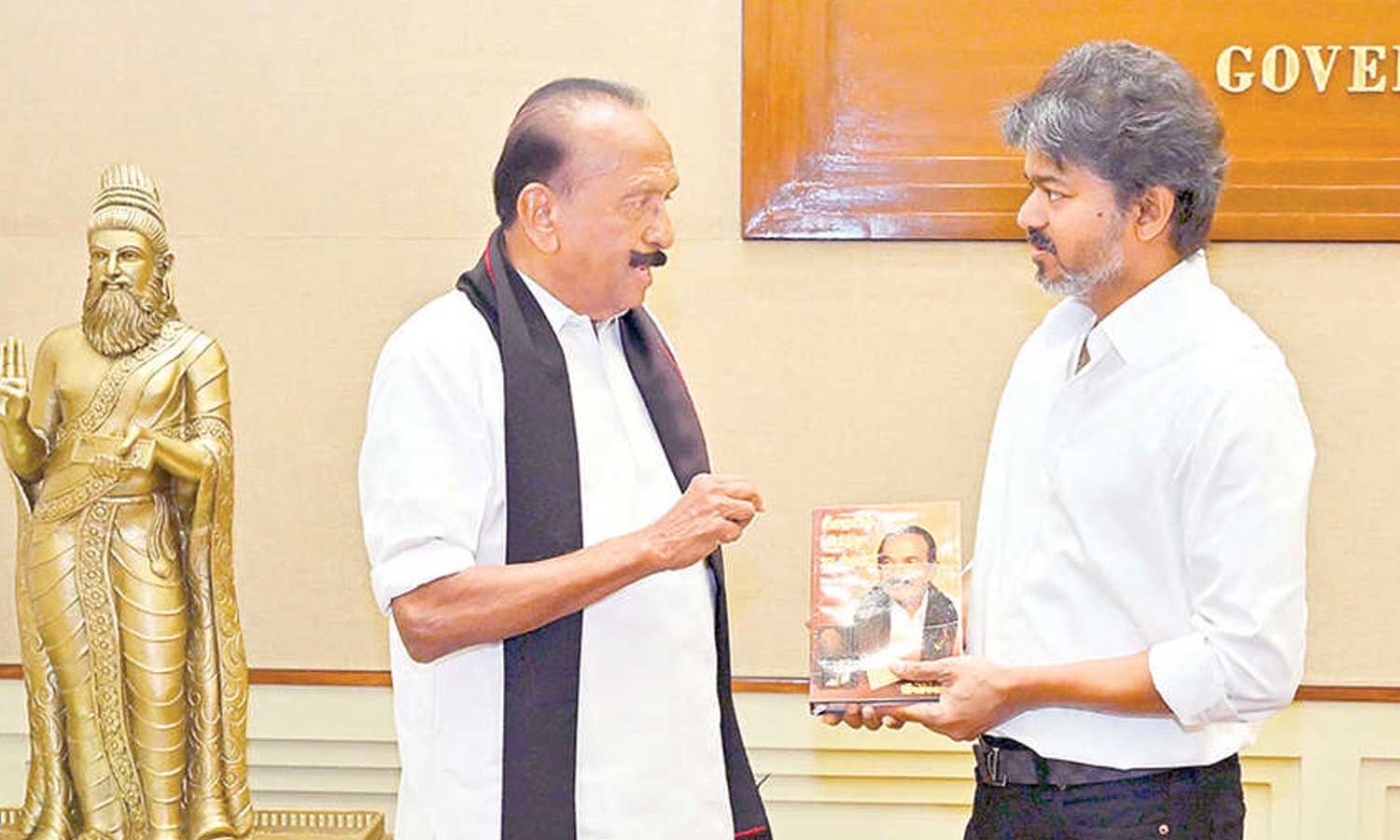
Vaiko Gives Tamil Nadu TVK Government 80 Percent Score
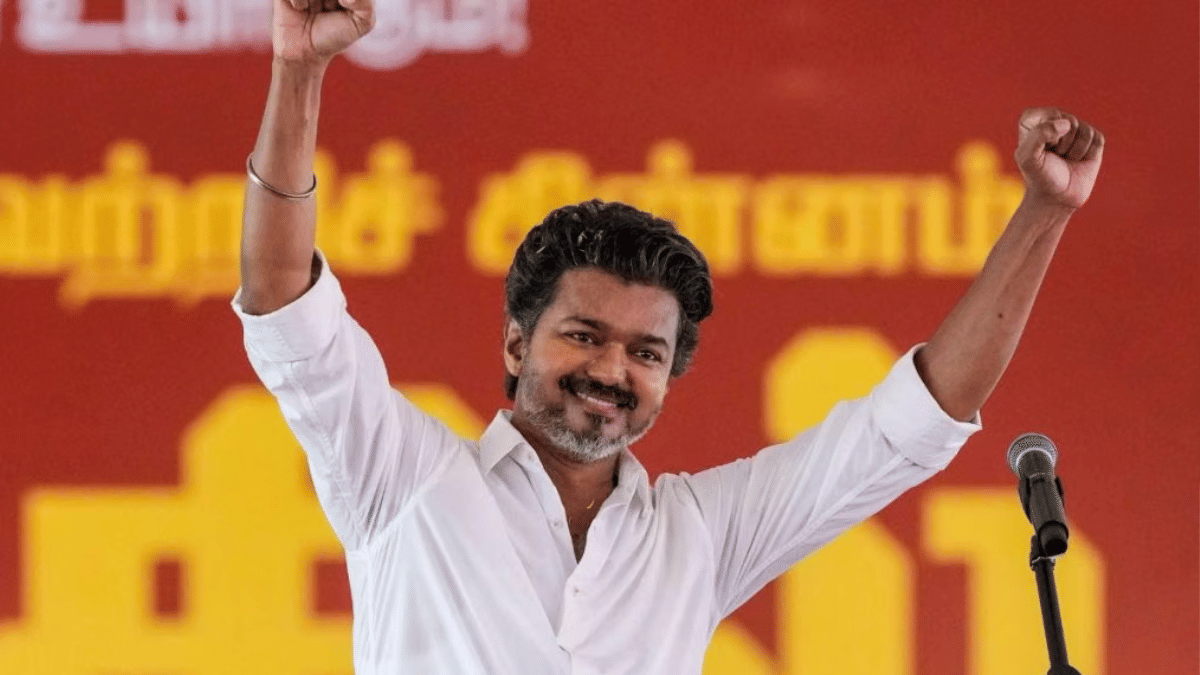
Vijay Rewrites Tamil Nadu's Political Script as Chief Minister
Tamil Nadu raises first-time Haj subsidy to Rs 35,000