20 hrs ago
U.S. Secures Venezuelan Oil Stake, Challenging Chinese and Russian Influence
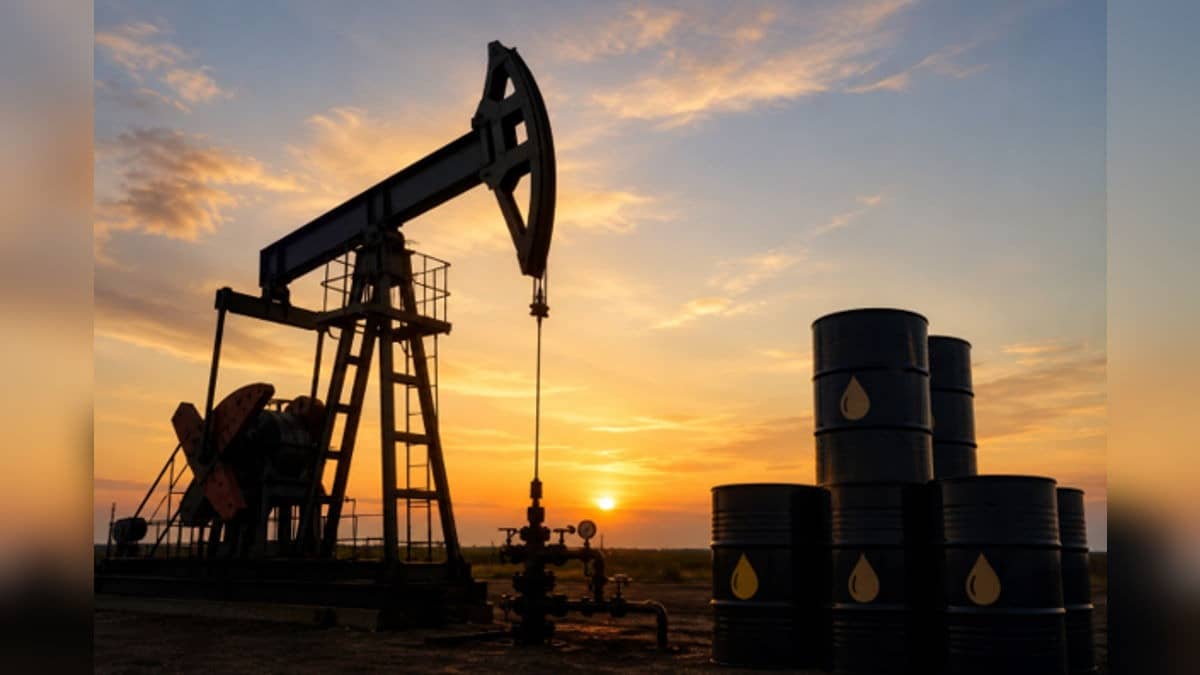
The United States made a deal to own part of an oil project in Venezuela.
The oil field is said to contain about 65 billion barrels of proven oil reserves.
Chinese and Russian companies had previously influenced the project.
U.S. officials want the deal to provide oil and reduce China’s and Russia’s influence in Venezuela.
The agreement uses a Pentagon investment office and a private company rather than a direct deal with Venezuela’s government.
That company is connected to businessman Alejandro Betancourt, who has faced corruption allegations but has not been charged by the United States.
Chevron may also increase its work in Venezuela.
Some people are questioning whether the deal fits Venezuela’s constitutional rule that the state owns its oil resources.

Washington finalized an agreement giving the United States an equity stake in a Venezuelan oil block.
The block reportedly contains 65 billion barrels of proven reserves and had previously involved Chinese and Russian corporate interests.
The deal was arranged through the Pentagon’s Office of Strategic Capital and a private company linked to Alejandro Betancourt.
Officials say the agreement will secure long-term U.S. crude supplies, with purchases available at cost, while Chevron is expected to expand operations.
The arrangement faces legal and political questions because Venezuela’s constitution assigns ownership of hydrocarbon resources to the state.
- Who
- The United States, the Pentagon’s Office of Strategic Capital, a private company linked to Alejandro Betancourt, and potentially Chevron.
- What
- An agreement giving the United States an equity stake in a Venezuelan oil block and access to crude supplies.
- Where
- Venezuela, involving an oil block previously influenced by Chinese and Russian corporate interests.
- When
- The agreement has been finalized; talks involving Venezuela’s recognized opposition leadership are expected to resume in September.
- Why
- To secure long-term U.S. energy supplies, shift Venezuela’s oil sector away from Chinese and Russian influence, and support economic and political stabilization.
U.S. Officials’ Case
Concerns and Objections
Strategic purpose
U.S. Officials’ Case
U.S. officials describe the stake as a way to secure energy supplies, reduce Chinese and Russian influence, and support a Western Hemisphere-aligned Venezuelan economy.
Concerns and Objections
Critics could view the arrangement as foreign control of Venezuelan energy assets, particularly because the deal involves a private company instead of Venezuela’s interim government.
Choice of operating partner
U.S. Officials’ Case
Officials defended working with Alejandro Betancourt because of his operational resilience, past support for Juan Guaidó, and lack of U.S. charges.
Concerns and Objections
Betancourt has faced corruption allegations connected to the Maduro era and investigations in Europe, raising questions about the partner selected for the deal.
Legal and political legitimacy
U.S. Officials’ Case
Officials said the Pentagon’s equity position fits the Office of Strategic Capital’s statutory authority and was legally insulated through private corporate entities.
Concerns and Objections
Questions remain about how the arrangement aligns with Venezuela’s constitutional rule that the state owns hydrocarbon resources and with the country’s unfinished political transition.
Key facts
- Reported reserves
- The oil block is estimated to contain 65 billion barrels of proven reserves.
- Investment channel
- The deal runs through the Pentagon’s Office of Strategic Capital.
- Operating partner
- The private, foreign-registered operating company is closely tied to Venezuelan businessman Alejandro Betancourt.
- Crude terms
- Officials said the arrangement allows the United States to purchase crude at cost.
- Chevron
- Chevron is expected to announce an expansion of its Venezuelan operations.
- Political timeline
- Talks involving Venezuela’s 2015 National Assembly and recognized leadership are due to resume for a third round in September.
- Legal issue
- Officials said the investment was structured through private entities despite Venezuela’s constitutional provision that the state owns hydrocarbon resources.
Quotes
An unnamed US official
A US official who briefed reporters on the agreement
“Geopolitics is often not the choice between the ideal and the imperfect. It is often, you're trying to navigate what's the best outcome, and you have to work with the factors that you have in place,”
 republicworld.com
“I'm not nominating anyone for sainthood here. What I am telling you is that this is a person that, in the past, has been helpful to the United States government,”
republicworld.com
Sources
Related news
Trump’s Venezuela Oil Deal Puts 65 Billion Barrels In Play
Trump Venezuela Oil Deal Gives Pentagon Stake in Fields
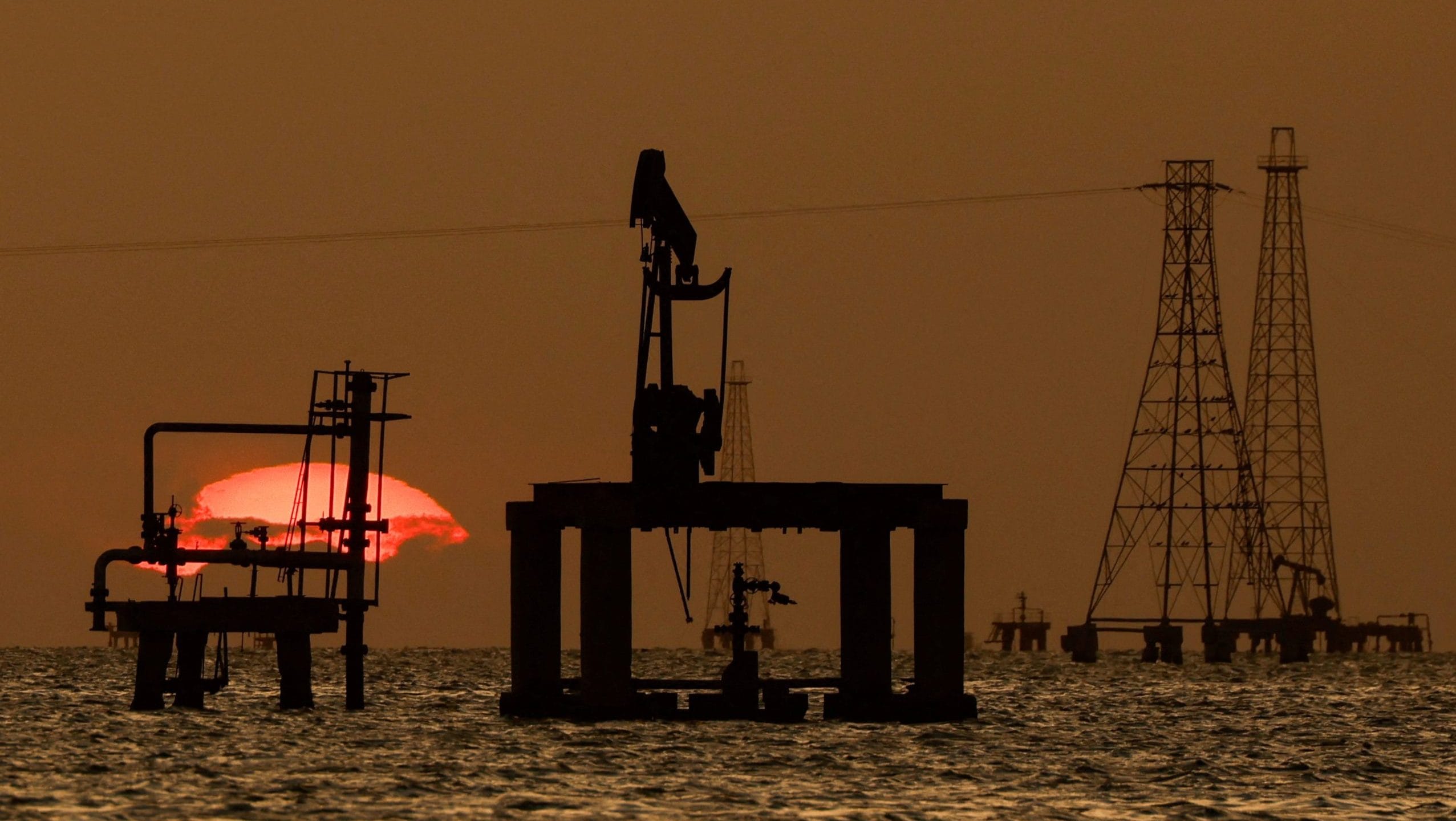
Trump Announces Major U.S. Control of Venezuelan Oil
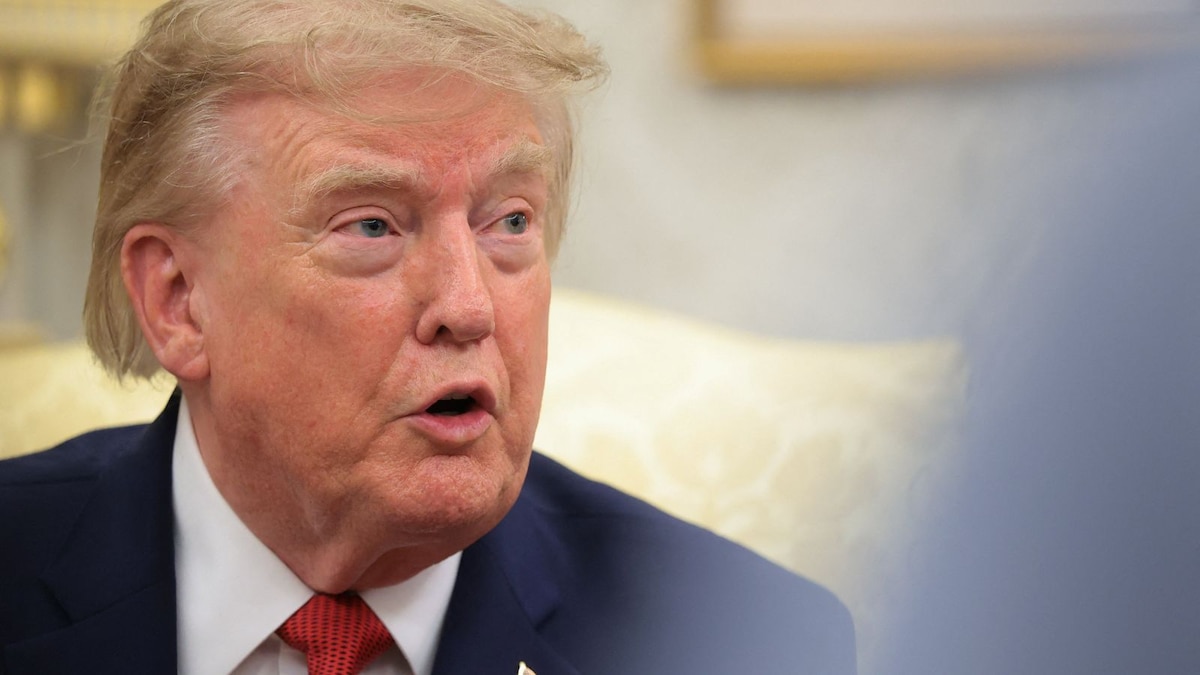
US, Venezuela Near Deal for Long-Term Oilfield Access
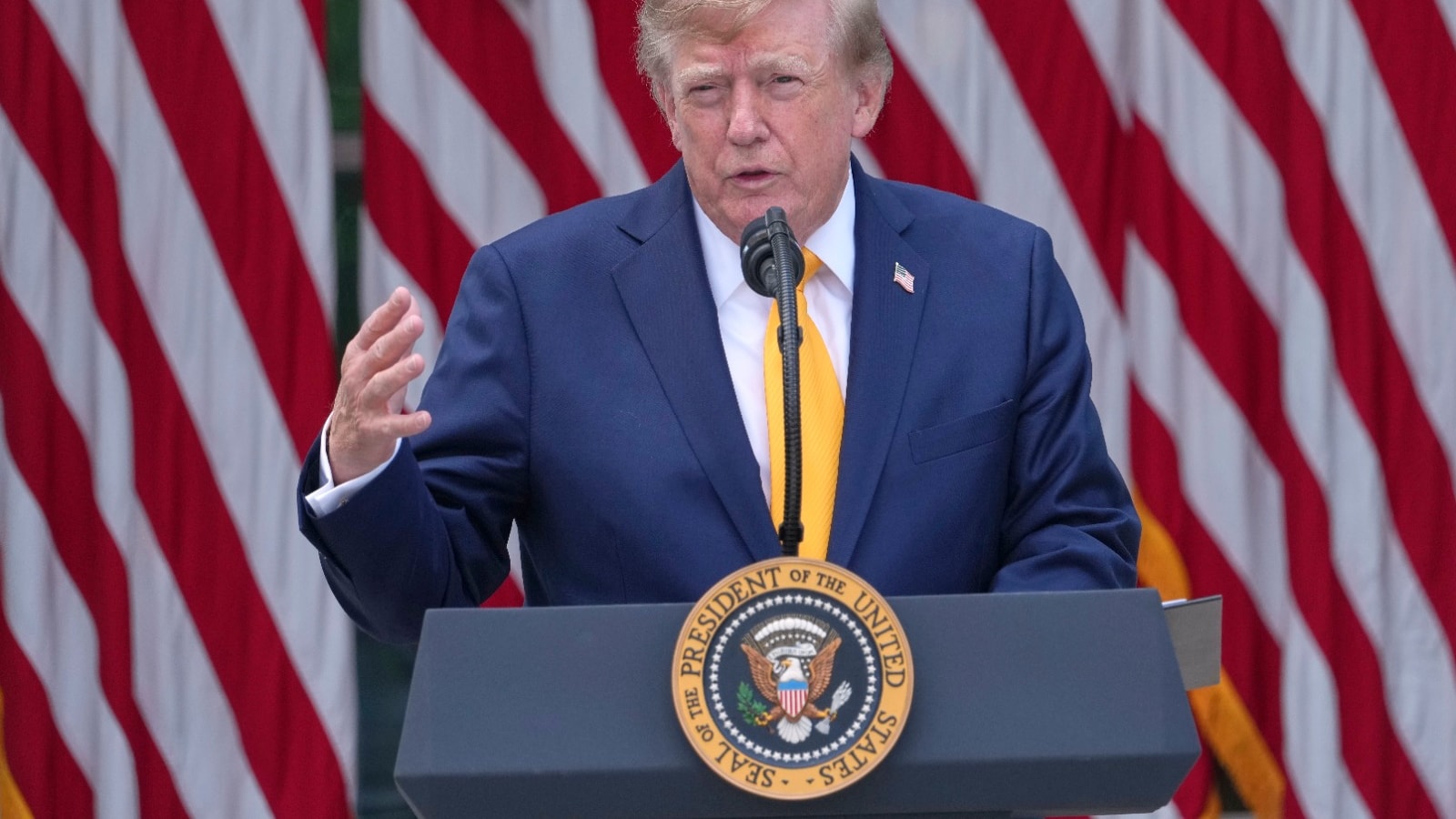
Trump Claims Historic Venezuelan Oil Deal Amid Major Uncertainties

Trump Announces U.S.-Venezuela Agreement Over Major Oil Reserves
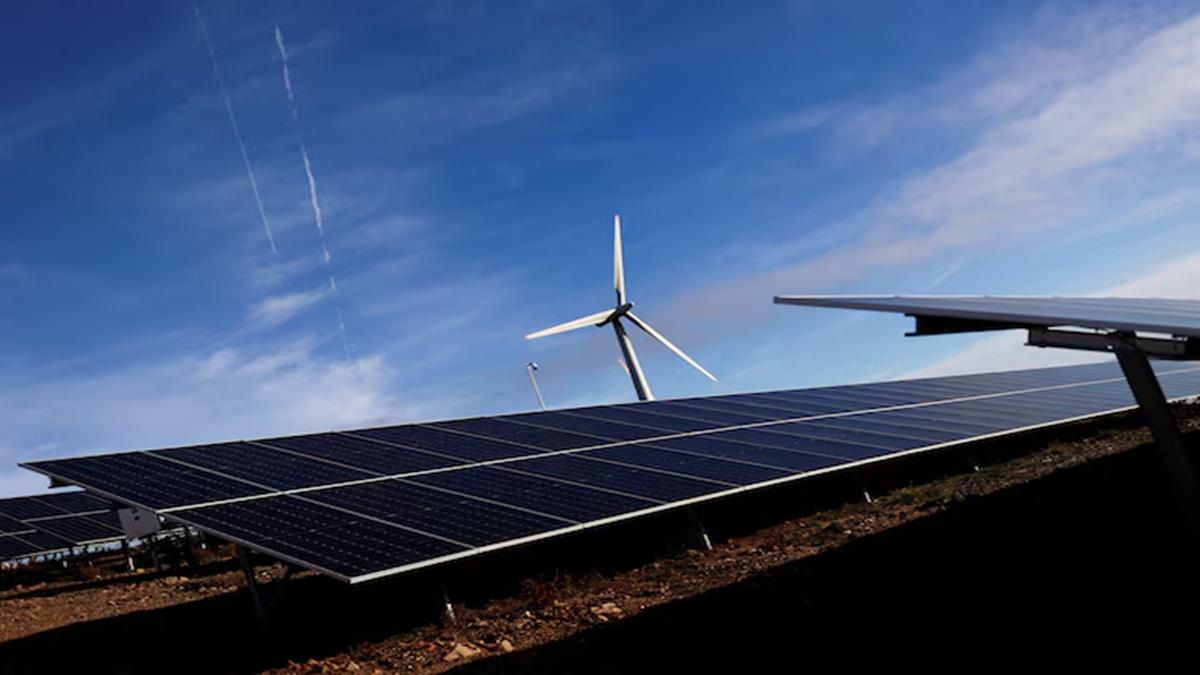
India’s Wind Pipeline Signals Sharp Capacity and Manufacturing Surge
India’s Solar Module Glut Threatens Factories With Low Utilisation
Modi-Xi Signals May Help Reset India-China Ties

India’s Fourth BRICS Chair Faces a Much Larger Summit

Nepal Families Seek Missing Loved Ones After Deadly Flash Floods