4 days ago
Trump’s Venezuela Oil Deal Puts 65 Billion Barrels In Play
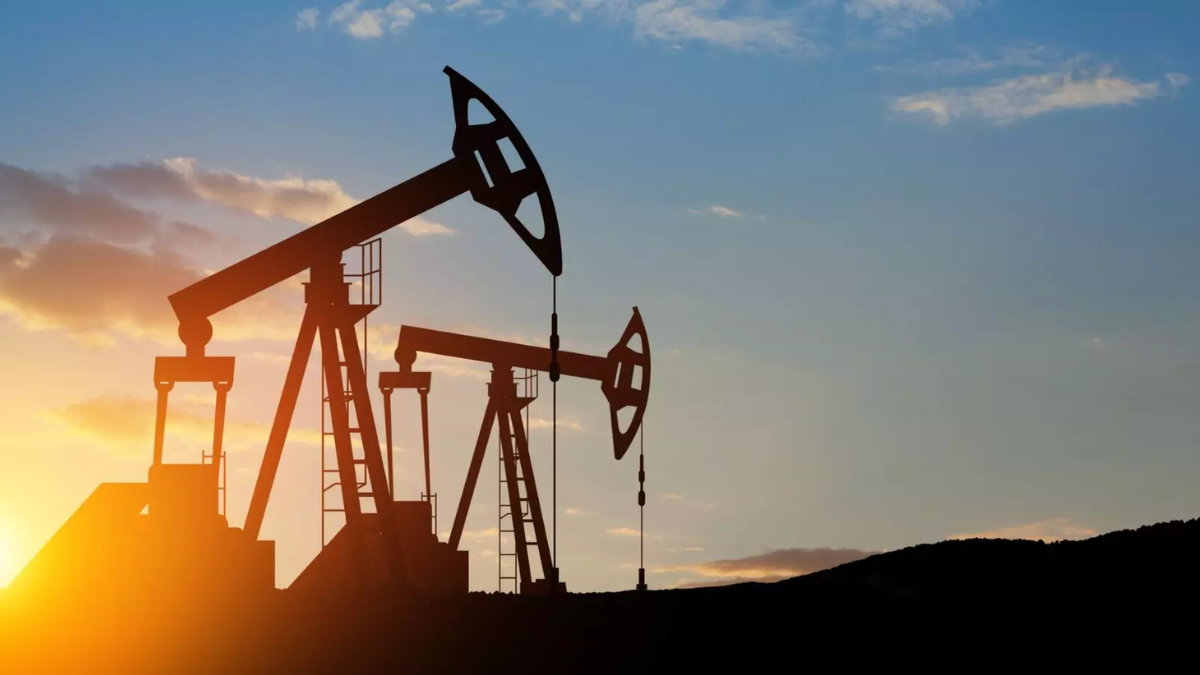
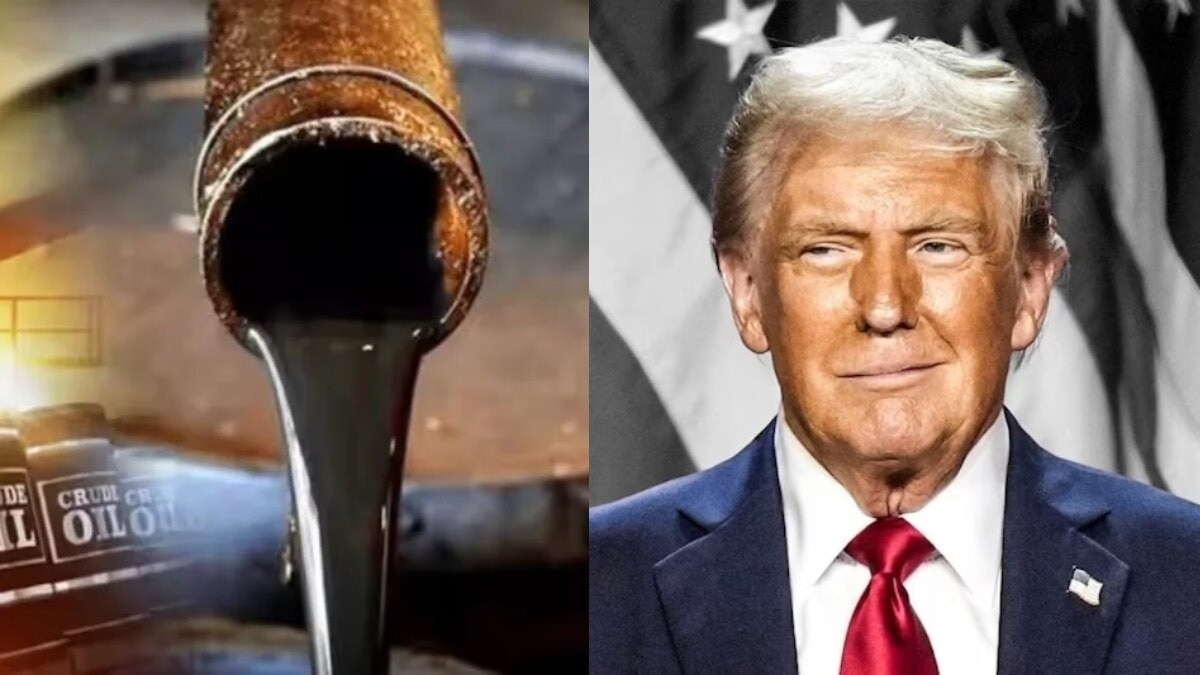
Donald Trump says the United States has made a very large agreement involving Venezuelan oil.
The agreement concerns more than 65 billion barrels of proven reserves.
This does not necessarily mean the United States owns all that oil.
The exact rules of the agreement have not been fully released.
Venezuela’s oil is often thick and difficult to produce, so new supplies would not arrive quickly.
Venezuela may need billions of dollars and years of work to repair its oil industry.
The United States hopes the deal will improve energy security and eventually help lower fuel prices.
China could lose some access to Venezuelan oil if shipments are redirected through channels linked to United States interests.
Oil prices barely changed after the announcement because traders are more focused on wider supply risks, including disruptions around the Strait of Hormuz.

Donald Trump says a private-sector partnership gives United States interests majority control over more than 65 billion barrels of Venezuelan proven reserves.
The administration says the arrangement could attract nearly $100 billion in private investment to rebuild Venezuela’s damaged oil industry.
The agreement’s structure remains unclear, with reports describing possible 55% control of a venture’s output rather than ownership of the reserves.
Markets showed little immediate reaction because Venezuela’s extra-heavy crude requires years of investment, infrastructure repairs and specialized technology.
The deal could reduce China’s access to Venezuelan oil and deepen United States involvement in Venezuela’s economy and government.
- Who
- Donald Trump, United States officials and private companies, working with Venezuela’s interim government led by Delcy Rodríguez.
- What
- An agreement that Trump says gives United States interests majority control over more than 65 billion barrels of Venezuelan proven oil reserves.
- Where
- Venezuela, including its oil fields in the Orinoco Belt, with possible effects on United States, Chinese and global energy markets.
- When
- The agreement was announced amid high United States fuel prices and disruptions linked to the conflict involving Israel, Iran and the United States; the articles place a related United States military operation in early 2026 or nine months earlier.
- Why
- The United States seeks greater crude access, energy security and potentially lower fuel prices, while Venezuela seeks investment, technology and capital to rebuild its oil industry.
Potential Benefits
Cautions and Uncertainties
Strategic oil access
Potential Benefits
Supporters say the agreement could give the United States deeper access to Venezuela’s enormous reserves, support energy security and provide crude closer to the United States market.
Cautions and Uncertainties
Analysts say the 65-billion-barrel figure may be a headline number with limited relevance until the agreement’s actual rights, ownership and production terms are disclosed.
Lower fuel prices
Potential Benefits
Donald Trump and Marco Rubio argue that greater Venezuelan oil access and higher future production could increase supplies and reduce gasoline prices.
Cautions and Uncertainties
Experts say cheaper fuel is unlikely soon because Venezuela’s extra-heavy crude requires major repairs, specialized equipment, infrastructure and years of investment before production can rise.
Geopolitical consequences
Potential Benefits
The deal could attract private capital, revive Venezuela’s oil industry, create jobs and strengthen cooperation between Venezuela and the United States.
Cautions and Uncertainties
Redirecting Venezuelan oil through channels linked to United States interests could reduce China’s supply, while the agreement follows military intervention and extensive United States oversight of Venezuela, making its geopolitical effects contentious.
Key facts
- Reserves covered
- More than 65 billion barrels of Venezuela’s proven crude oil reserves, according to Donald Trump.
- Venezuela’s total reserves
- Approximately 303 billion barrels, described as the world’s largest proven reserve base.
- Potential investment
- Nearly $100 billion in private investment, according to Secretary of State Marco Rubio and the United States administration.
- Reported venture control
- NBC’s MS NOW reported that the United States could receive an effective 55% share of a new company’s output through ownership and rights to buy crude at cost.
- United States reserves
- Around 46 billion barrels of proven crude oil reserves.
- Strategic Petroleum Reserve
- The reserve fell below 300 million barrels in early August, after declining by more than 100 million barrels from January 2026 levels.
- Immediate market response
- Brent and West Texas Intermediate futures fell slightly after the announcement, while crude was trading around $80 per barrel.
- United States gasoline price
- The average price was about $4.08 per gallon, compared with $3.20 per gallon at the same time the previous year, according to AAA.
Quotes
Rory Johnston
Oil market researcher who questioned the significance of Trump’s reserve figure
“The 65 billion barrel number is a red herring and will have little relevance to any actual deals—the real relevant details of which are still almost entirely unknown.”
 financialexpress.com
“The United States of America has just entered into an Agreement with the Country of Venezuela on THE BIGGEST OIL DEAL IN WORLD HISTORY!”
financialexpress.com
Sources
Related news
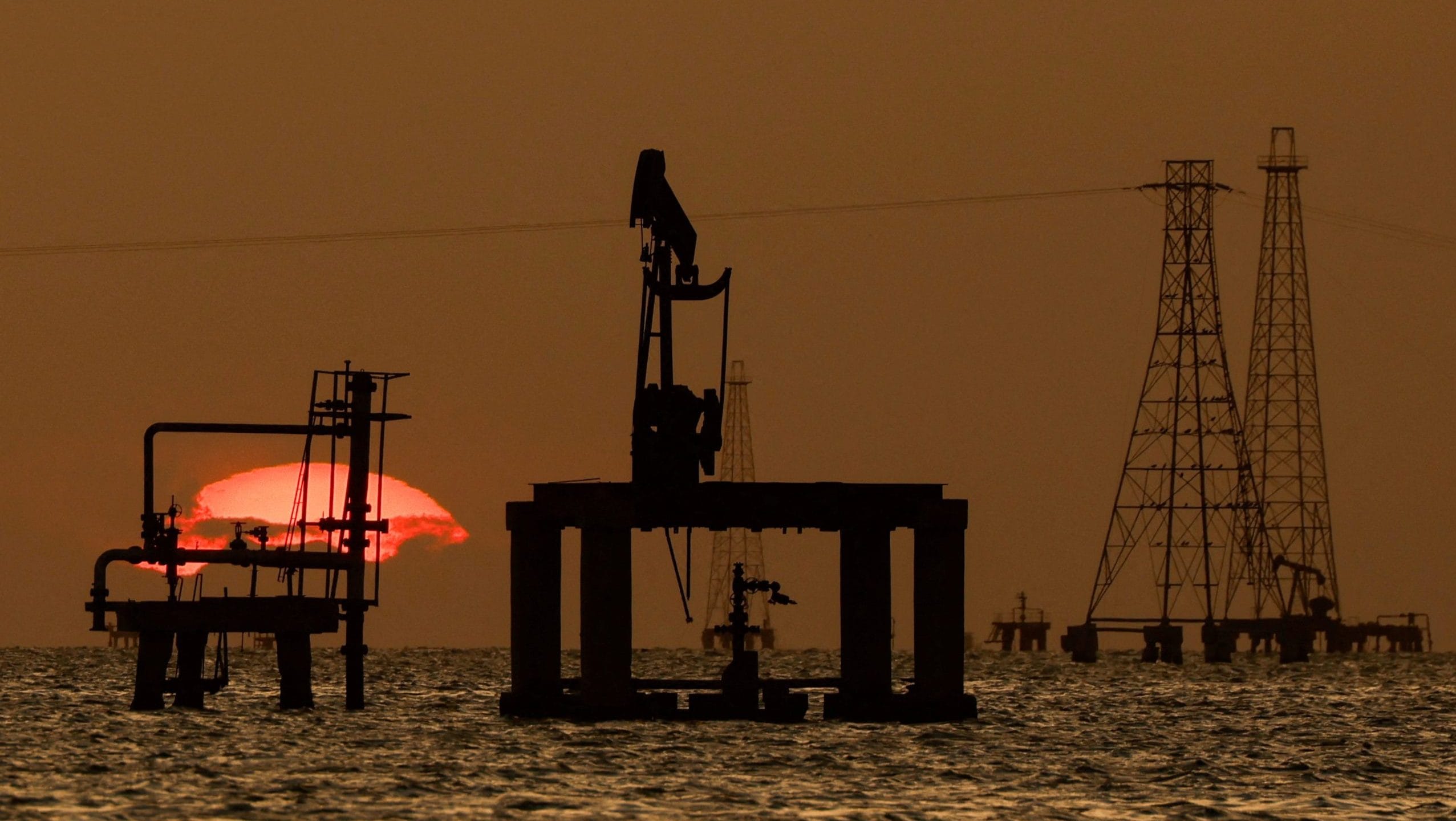
Trump Announces Major U.S. Control of Venezuelan Oil

Trump Announces Claimed Historic U.S.-Venezuela Oil Reserves Deal
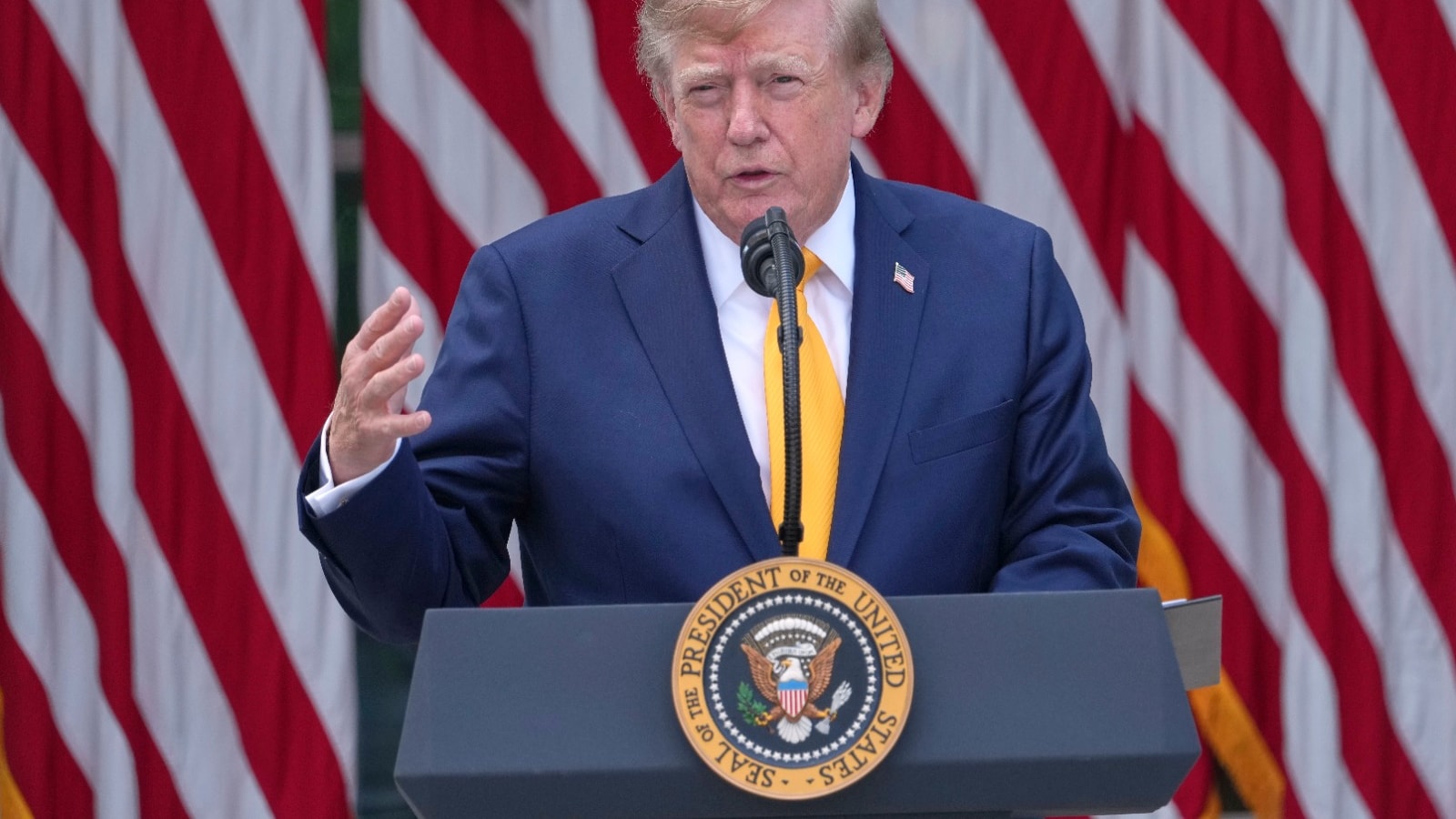
Trump Announces Claimed Historic Venezuela Oil Deal Amid Price Surge

Trump Announces U.S.-Venezuela Agreement Over Major Oil Reserves
Trump Claims Historic Venezuelan Oil Deal Amid Major Uncertainties

Trump Ties Venezuelan Oil Deal to Strategic Reserve Refill

Chevron Plans $7 Billion Venezuela Expansion Amid U.S. Oil Push
Saudi Arabia Says Iranian Tanker Attack Killed Two Sailors
U.S.-Iran Exchange Escalates Across Middle East, Markets Slide
Trump Aides Seek Quiet Iran War Before Midterm Elections
US Warns Middle East Travelers Amid Escalating Iran-Linked Tensions