1 month ago
Chairman vs Secretary: Legal Duties in Housing Societies

In a co‑operative housing society, the chairman is the leader who heads meetings and guides discussions.
The secretary is the main worker who keeps records, sends notices, and makes sure the society follows the law.
The law says the committee runs the society, and the chairman and secretary must follow its rules.
The secretary must keep books, hold annual meetings, and audit accounts.
Both must act honestly and can’t do more than what the committee allows.

The chairman leads the managing committee and presides over meetings.
The secretary handles day‑to‑day administration, including registers, notices, and audits.
Section 73 of the Maharashtra Co‑operative Societies Act gives the committee overall management authority.
Sections 79, 75, and 81 require the secretary to maintain records, convene AGMs, and audit accounts.
Both officers are accountable to the committee, general body, and the law, and cannot act beyond delegated powers.
- Who
- Chairman and Secretary of a co‑operative housing society
- What
- Their legal roles and responsibilities under the Maharashtra Co‑operative Societies Act
- Where
- Maharashtra, India
- When
- Under the current Act and its rules
- Why
- To clarify that the secretary has more daily administrative duties than the chairman
Key facts
- Legal Framework
- Maharashtra Co‑operative Societies Act
- Key Sections
- 73, 79, 75, 81
- Primary Officer
- Chairman
- Secondary Officer
- Secretary
- Main Responsibility of Secretary
- Day‑to‑day administration and record keeping
Sources
Related news

Eight Green Acres Committee Members Disqualified Over Non-Disclosure of Records

Maharashtra’s 2026 Cooperative Rules Aim to Cut Housing Litigation

Khar Police Book Link Square Office-Bearers Over ₹4.47-Crore Tax Default

Bombay HC: Deputy Registrar Cannot Reopen Rejected Bifurcation Proceedings
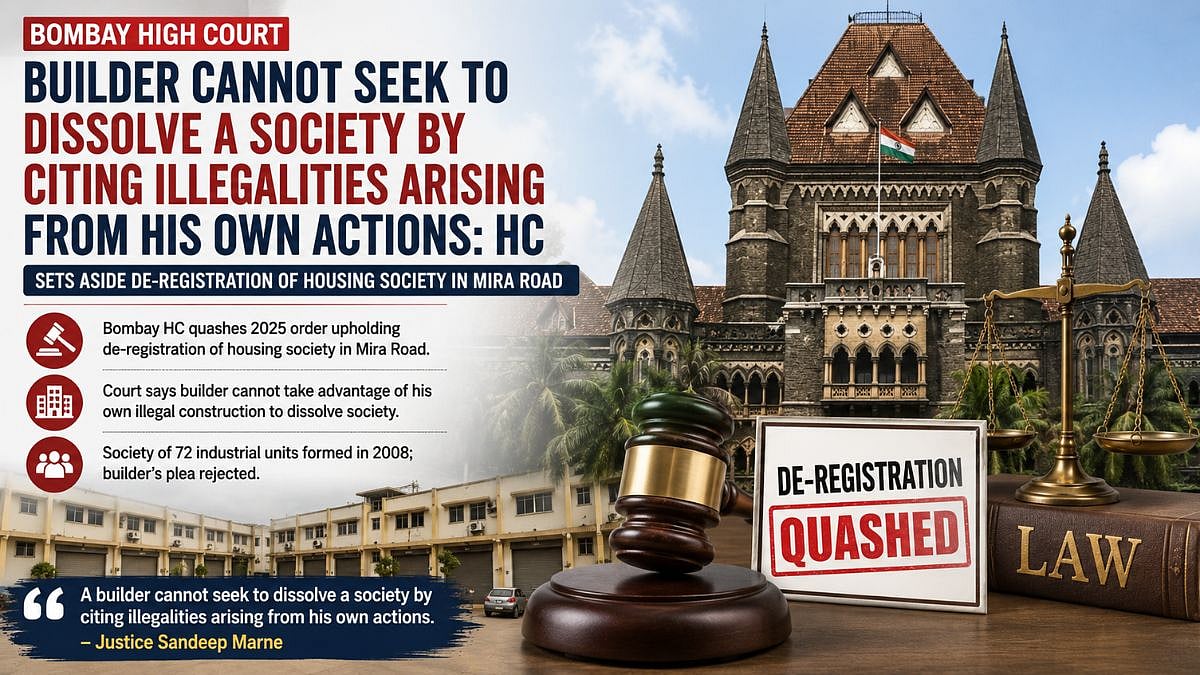
Bombay HC Sets Aside Mira Road Housing Society De-Registration

Maharashtra Clears Path For Deemed Conveyance Of Housing Societies

Two Bank Agents Booked in Alleged Mumbai Flat Scam