1 week ago
Chidambaram Says Simultaneous Poll Proposal Undermines Constitutional Structure
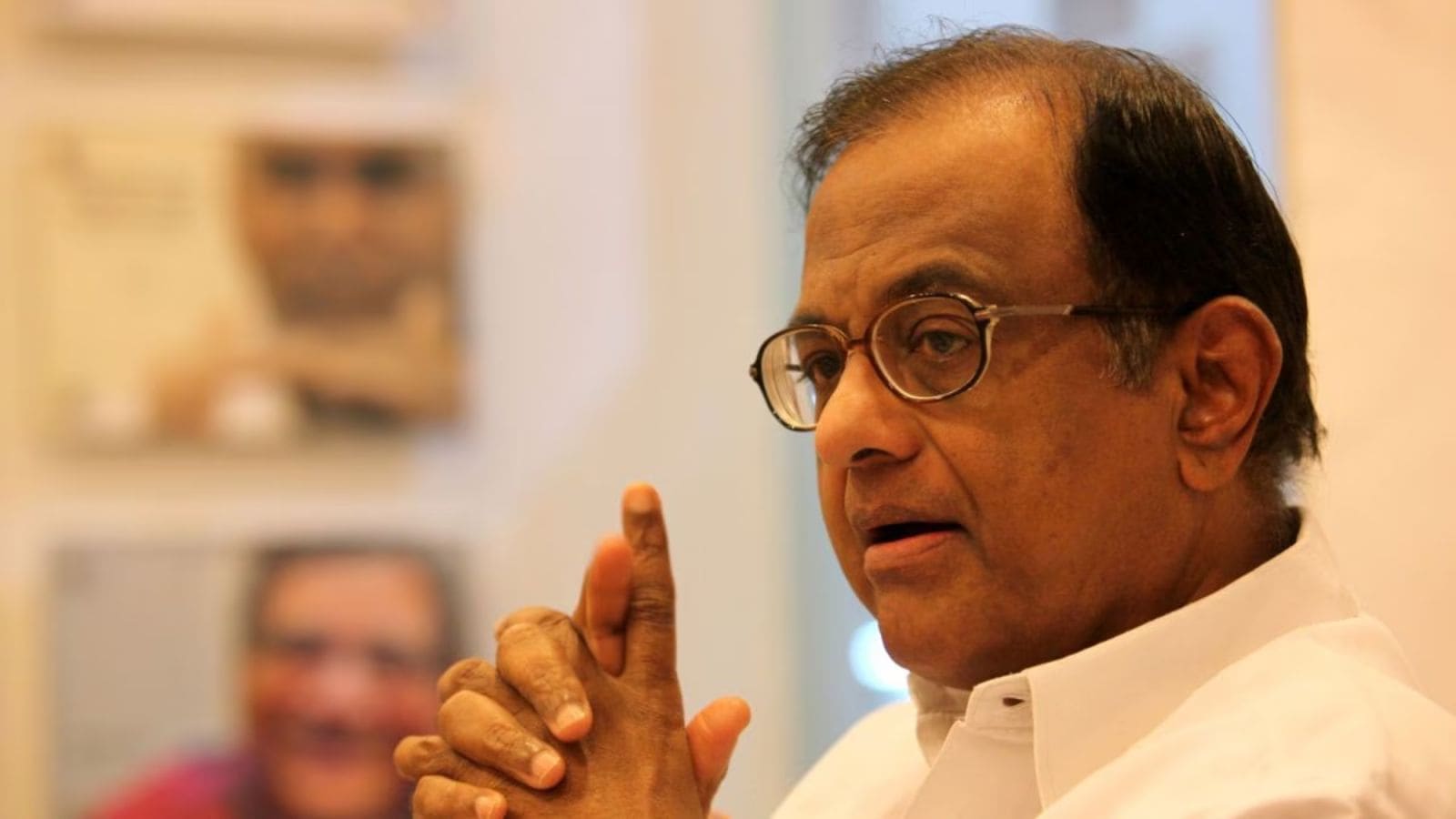
P Chidambaram spoke to a parliamentary committee about a plan for holding elections together.
The plan would combine elections for Parliament and state Assemblies.
He said the plan is flawed as it is currently written.
He also said it could weaken important parts of India’s Constitution.
In particular, he mentioned parliamentary democracy.
The proposal is contained in two amendment bills.
The committee heard from several other groups during the meeting.
These included policy researchers, legal experts, and Padma Awardees from Delhi.

P Chidambaram told a parliamentary panel that simultaneous elections are flawed in their current form.
He said the proposal undermines the Constitution’s basic structure.
Chidambaram particularly raised concerns about parliamentary democracy.
His submission concerned the Constitution (129th Amendment) Bill, 2024, and a related Union Territories amendment bill.
The joint committee also interacted with Delhi Padma Awardees and legal and policy research organizations.
- Who
- Former Union Minister and senior Congress leader P Chidambaram addressed the joint parliamentary committee.
- What
- He argued that the proposal for simultaneous Lok Sabha and state Assembly elections is flawed and undermines the Constitution’s basic structure.
- Where
- At a meeting of the joint committee of Parliament.
- When
- Monday.
- Why
- Chidambaram said the proposal could undermine core principles of parliamentary democracy.
Key facts
- Speaker
- P Chidambaram
- Proposal
- Simultaneous elections to the Lok Sabha and state Assemblies
- Constitutional bill
- Constitution (129th Amendment) Bill, 2024
- Related legislation
- Union Territories Laws (Amendment) Bill, 2024
- Main criticism
- The proposal was described as flawed in its current form.
- Constitutional concern
- Chidambaram said it undermines the basic structure of the Constitution, especially parliamentary democracy.
- Other participants
- Delhi Padma Awardees, Nation First Policy Research Centre representatives, and Vidhi Centre for Legal Policy representatives
Sources
Related news

Chidambaram Opposes One Nation, One Election Before Panel
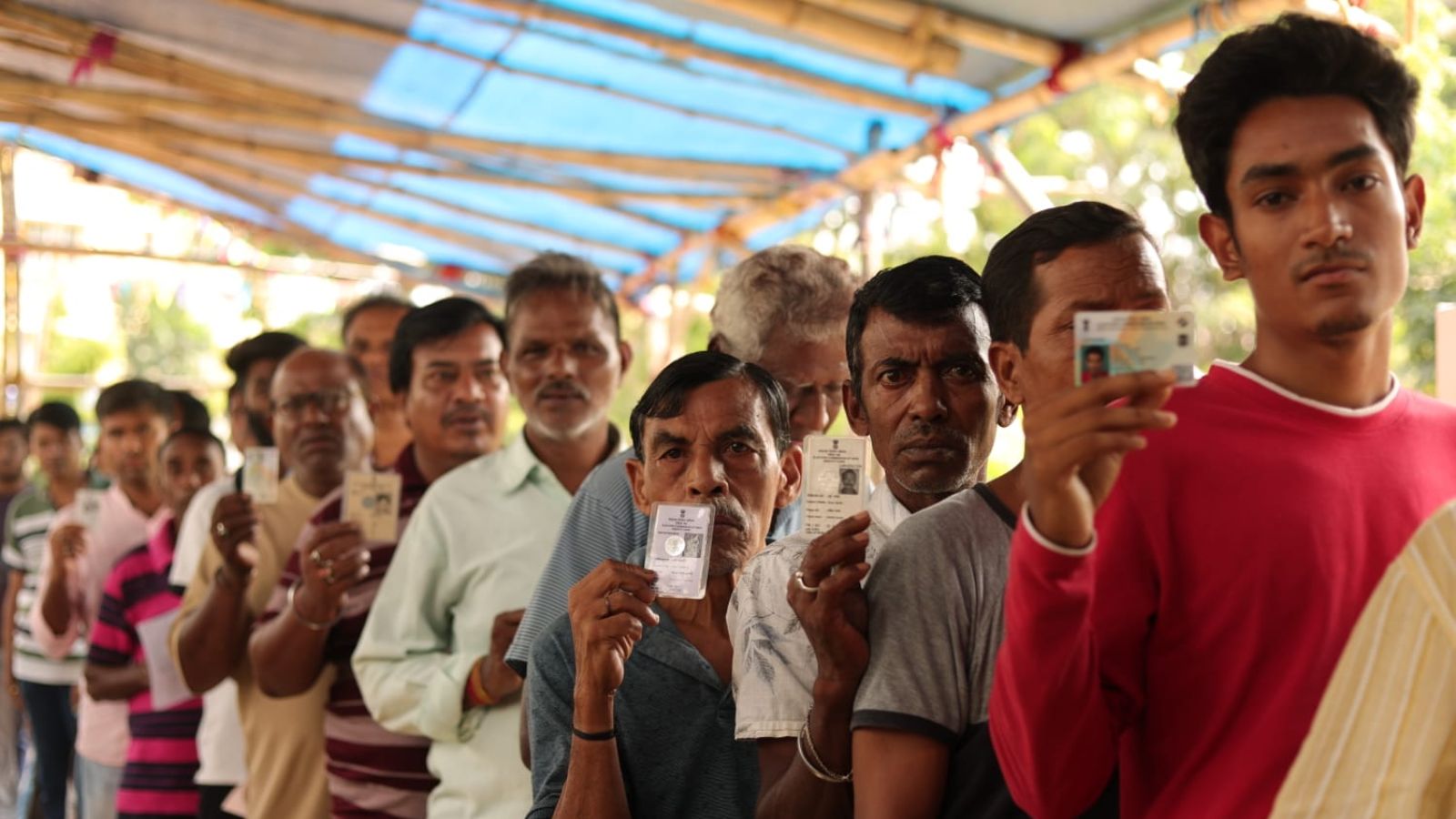
NDA Weighs 2029 Simultaneous Polls Across 22 States
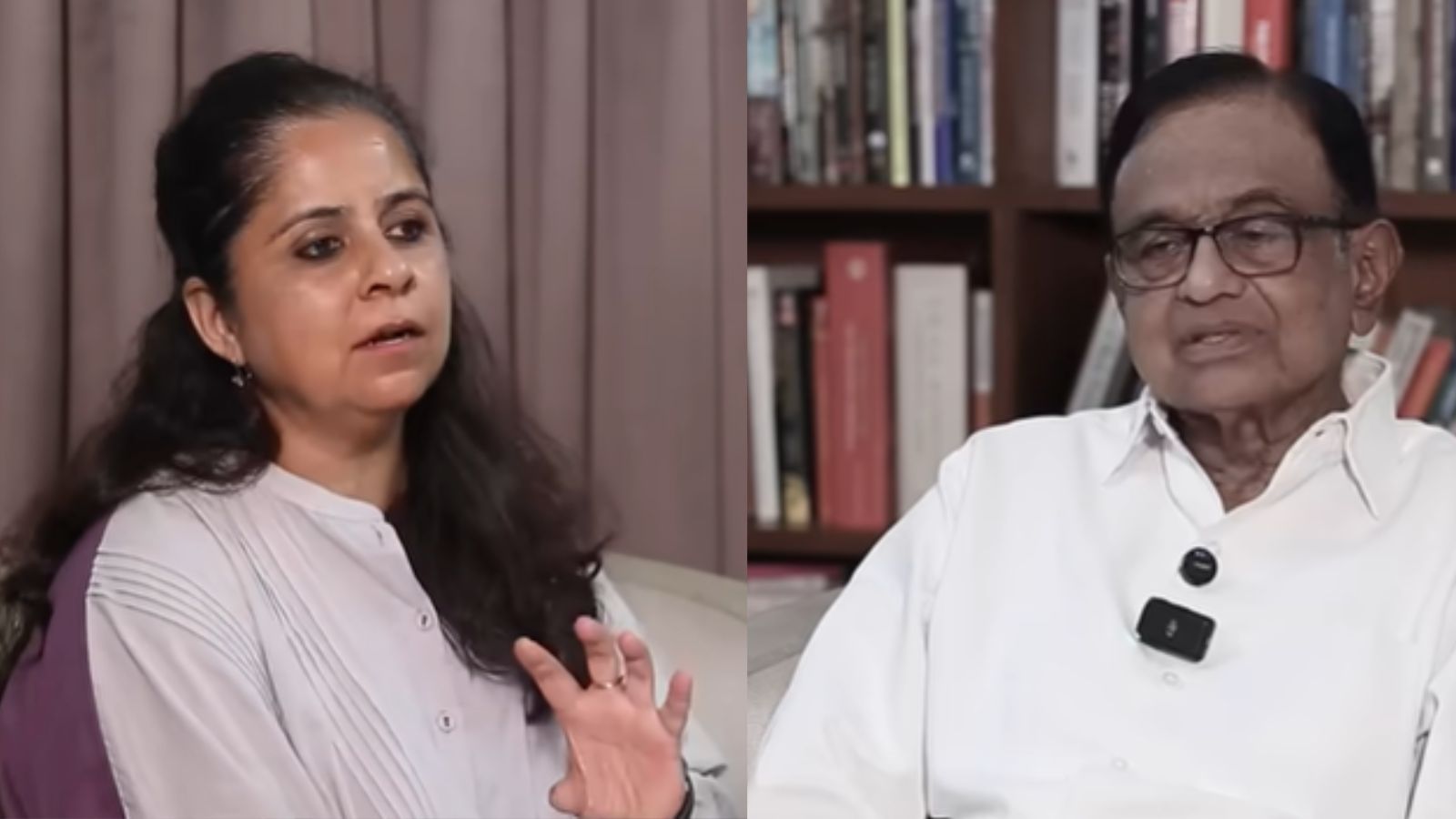
Chidambaram questions FCRA Bill, statehood delay, Home Minister absence

Chidambaram Says 2029 Simultaneous Elections Are Not Possible
Roundtable Unanimously Endorses One Nation, One Election

Chouhan, Dhami Back One Nation, One Election Proposal

Chidambaram slams BJP over bill and Vande Mataram controversy
Ram Madhav Defends Modi’s ‘Dimagi Naxal’ Remark