3 weeks ago
Four rare celestial events to coincide on August 12
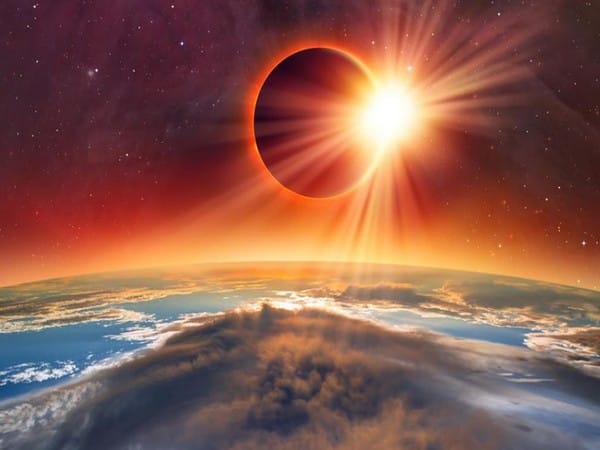
On August 12, four exciting space events happen on the very same day.
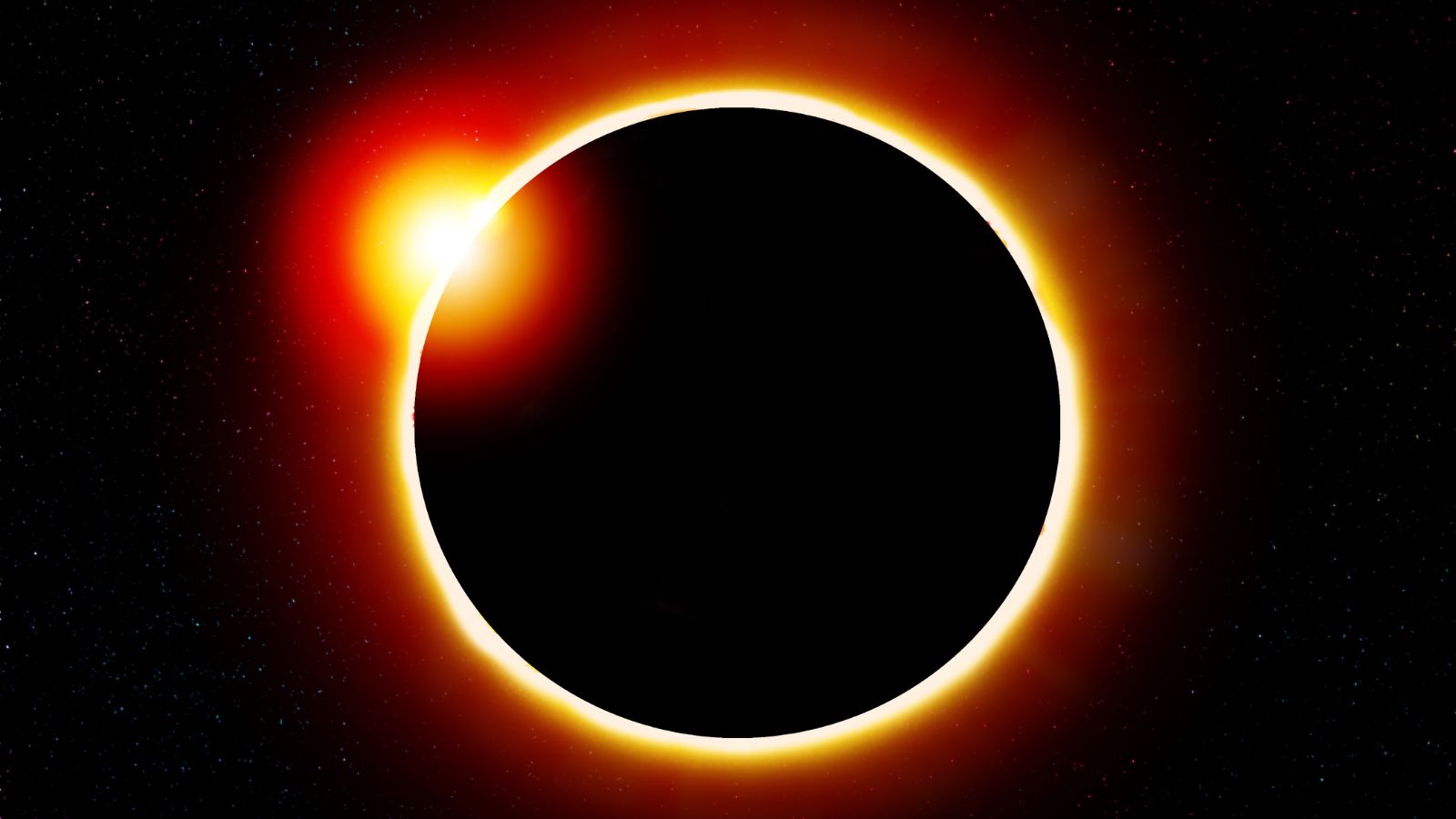
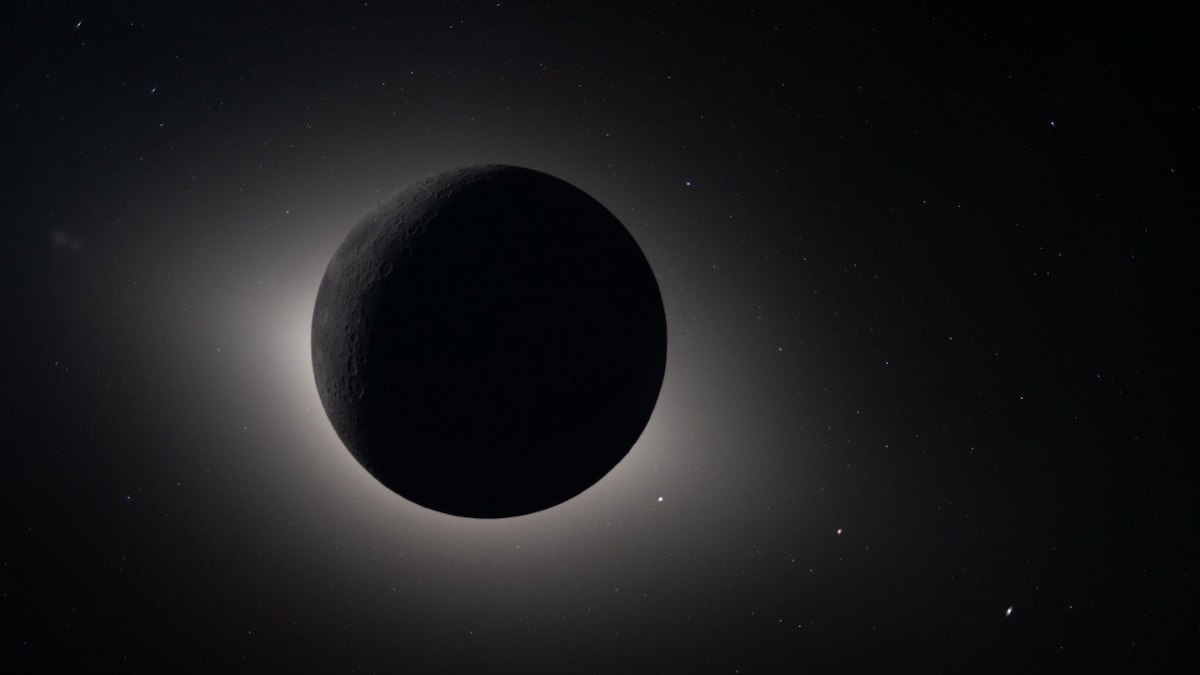
A total solar eclipse will happen, meaning the Moon completely covers the Sun for people in some places.
The Moon will cover part of the Sun for people in many other places.
Six planets will line up in the morning sky like a parade.
A new moon will make the night sky dark.
That darkness is perfect for watching the Perseid meteor shower.
The Perseid shower happens when Earth passes through dust left behind by Comet Swift-Tuttle.
Little bits of dust burn up in the sky and make shooting stars.
People with clear, dark skies could see up to 100 shooting stars in one hour.
NASA reminds everyone to wear special eclipse glasses when looking at the Sun.

A total solar eclipse, planetary alignment, new moon, and Perseid meteor shower will coincide on 12 August 2026, according to NASA.
The total solar eclipse will cross northern Russia, Greenland, Iceland, northern Spain, and a small part of Portugal.
A partial eclipse will be visible across Europe, northern Africa, northern and western Asia, and parts of North America; the eclipse will not be visible in India.
Before sunrise, Mercury, Jupiter, Mars, Saturn, Uranus, and Neptune will appear lined up in the morning sky.
The Perseid meteor shower, peaking overnight 12-13 August, may deliver up to 100 meteors per hour under clear, dark skies.
- Who
- NASA and skywatchers across the Northern Hemisphere
- What
- Four rare celestial events coincide on one day: a total solar eclipse, planetary alignment, new moon, and Perseid meteor shower
- Where
- Total eclipse path crosses northern Russia, Greenland, Iceland, northern Spain, and part of Portugal; partial eclipse visible in Europe, northern Africa, northern and western Asia, and parts of North America; not visible in India
- When
- 12 August 2026, with the meteor shower peaking overnight 12-13 August
- Why
- The four events happen to converge on a single day, which astronomers say is rare, and the new moon provides dark skies for the meteor shower
Key facts
- Date
- 12 August 2026
- Total eclipse path
- Northern Russia, Greenland, Iceland, northern Spain, small part of Portugal
- Partial eclipse visibility
- Europe, northern Africa, northern and western Asia, parts of North America
- Planets in alignment
- Mercury, Jupiter, Mars, Saturn, Uranus, Neptune
- Meteor shower peak
- Overnight 12-13 August
- Expected meteors per hour
- Up to 100 under clear, dark skies
- Meteor shower source
- Debris from Comet Swift-Tuttle
- Not visible
- India
Sources
Related news
August 12: Solar Eclipse, Six-Planet Alignment and Perseid Meteor Shower

Total Solar Eclipse August 2026: India Out, Greenland, Spain In
Total Solar Eclipse August 12: Path, Timing and Viewing Guide

Total Solar Eclipse 2026: Greenland, Iceland Covered; India Misses
Solar Eclipse 2026: rare total eclipse sweeps Europe, Spain, Iceland
Total Solar Eclipse August 12: How to View It Safely

Bhavana Reddy Brings Kuchipudi Performances to Iceland, Germany

Iceland Rejects EU Talks, Putting Membership Debate On Ice

Iceland Rejects Restarting EU Talks in Close-Fought Referendum

Iceland Votes in Tight Referendum on Reopening EU Membership Talks
Iceland’s EU Talks Referendum Remains Too Close to Call