3 days ago
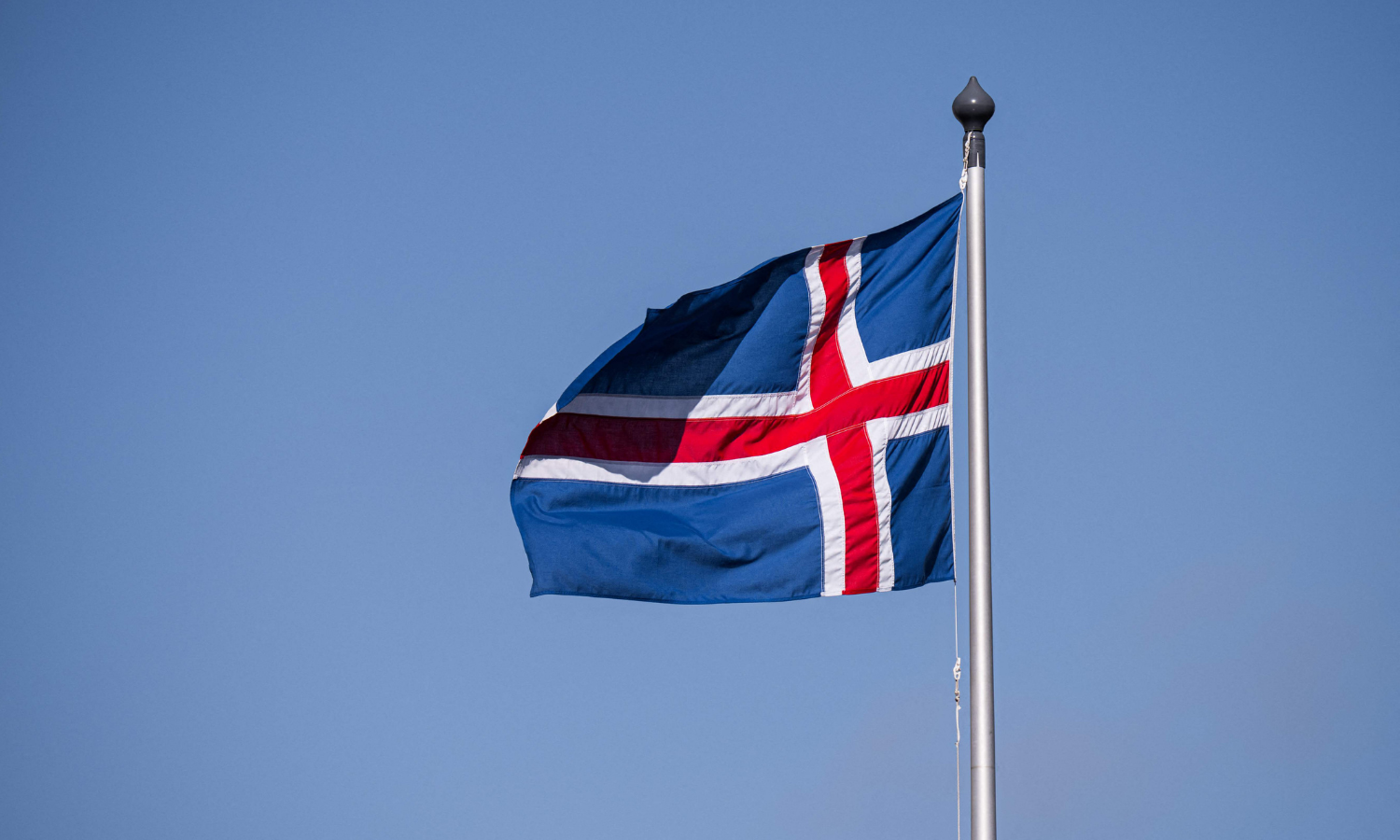
Iceland Rejects Restarting EU Talks in Close-Fought Referendum

Iceland held a vote about whether to restart talks on joining the European Union.
Most voters chose not to restart the talks.
The result was close, with 52.8% voting no and 47.2% voting yes.
About 82.5% of eligible voters took part.
Supporters thought EU membership might help with expensive mortgages and living costs.
They also said being in the EU could give Iceland more protection during trade and security problems.
Opponents worried that Iceland could lose some independence and control over its fishing waters.
Because the vote was against restarting talks, the government’s proposal will not move forward now.

Icelanders voted 52.8% to 47.2% against restarting European Union membership negotiations.
Turnout was reported at 82.5% of Iceland’s eligible voters.
Supporters said EU membership could ease high interest rates, living costs and economic vulnerability.
Opponents argued negotiations could threaten Iceland’s sovereignty and control of important fishing waters.
The result ends the current government’s push to reopen talks, after an earlier membership bid was halted in 2013.
- Who
- Icelandic voters, the centre-left coalition government led by Prime Minister Kristrun Frostadottir, and campaigns supporting or opposing renewed European Union talks.
- What
- A referendum on whether Iceland should reopen negotiations to join the European Union.
- Where
- Iceland, including polling stations in Reykjavik and rural communities.
- When
- The referendum was held on Saturday, with results reported on Sunday, August 30.
- Why
- The vote addressed long-running questions about sovereignty, fishing rights, high interest rates, living costs, trade and security.
Supporters of Restarting EU Talks
Opponents of Restarting EU Talks
Economic relief
Supporters of Restarting EU Talks
Supporters said EU membership, and possibly adopting the euro, could help reduce pressure from high interest rates, expensive mortgages and living costs.
Opponents of Restarting EU Talks
Opponents said Iceland’s economic problems were its own responsibility and that Brussels would not solve the country’s structural weaknesses.
Fishing rights and sovereignty
Supporters of Restarting EU Talks
Some Icelandic officials argued that EU fishing quotas account for historical patterns and that Iceland could retain control of its waters because other EU countries have not fished there for decades.
Opponents of Restarting EU Talks
Opponents said EU membership could endanger Iceland’s sovereignty and fishing waters, arguing that any promises of flexibility would not last permanently.
Security and international uncertainty
Supporters of Restarting EU Talks
The government and supporters presented the EU as a possible shield against trade wars, Arctic rivalry and broader geopolitical instability.
Opponents of Restarting EU Talks
Opponents emphasized Iceland’s independence and argued that the country was managing well outside the EU.
Key facts
- Referendum result
- 52.8% opposed restarting EU-accession talks; 47.2% supported the proposal.
- Turnout
- 82.5% of eligible voters, according to Icelandic media reports.
- Population
- Iceland has about 400,000 people.
- Interest rates
- Iceland’s central bank interest rate was reported at 8%, compared with 2.25% at the European Central Bank.
- Earlier EU application
- Iceland applied to join the EU in 2009; a Eurosceptic government ended negotiations in 2013.
- Potential negotiations
- A foreign ministry memo estimated talks could begin by the end of 2026 and last 18 to 24 months if voters approved reopening them.
- Further referendum
- Even if negotiations had restarted, Icelandic law would have required a later referendum on actual EU membership.
Quotes
Ragnhildur Skarphedinsdottir
A 70-year-old Icelandic voter who opposed reopening EU membership talks
“These are not problems that Brussels will solve for us. These are problems that Icelandic politicians must solve”
 theprint.in
theprint.in
theprint.in
“It would not solve Iceland’s structural faults, but it could become a catalyst to a more healthy economy”
theprint.in
Sources
Related news
Iceland’s EU Talks Referendum Remains Too Close to Call
Iceland Rejects EU Talks, Putting Membership Debate On Ice

Iceland Votes in Tight Referendum on Reopening EU Membership Talks
Iceland Poll Shows Narrow Support for Renewing EU Talks

Icelanders Vote on Restarting European Union Membership Talks

Bhavana Reddy Brings Kuchipudi Performances to Iceland, Germany