3 days ago
Iceland Rejects EU Talks, Putting Membership Debate On Ice
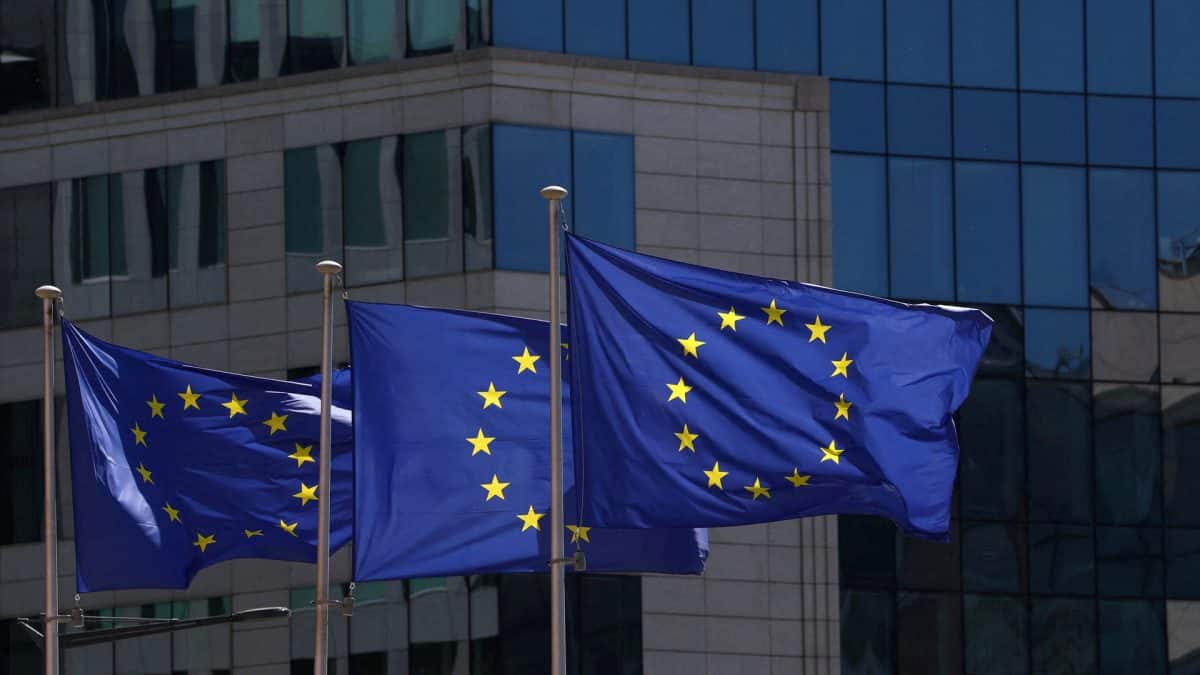
Iceland held a vote about whether to start talking again about joining the European Union.
Most voters said no.
The final result was 52.8% against restarting talks and 47.2% in favour.
Many opponents worried that joining the EU could reduce Iceland’s control over its fishing waters.
Fishing is very important to Iceland’s economy and national identity.
Supporters thought EU membership might help lower high interest rates and make the country more secure.
They also pointed to conflicts and tensions near the Arctic.
Iceland already works closely with the EU through the European Economic Area and the Schengen Area.
The government says it will respect the vote, so the membership question is expected to stay paused until at least 2028.

Icelandic voters rejected restarting European Union membership talks by 52.8% to 47.2%, according to RUV.
The non-binding referendum asked about 265,000 eligible voters whether negotiations should resume.
Opponents cited national sovereignty and fears that EU fisheries rules could weaken Iceland’s control over its waters.
Supporters argued that EU membership could lower interest rates, improve economic stability, and strengthen security ties.
The government said it would respect the result, and the issue is expected to remain off the agenda until at least 2028.
- Who
- Icelandic voters, Prime Minister Kristrún Frostadóttir’s government, and campaigns supporting or opposing renewed European Union talks.
- What
- Voters rejected a proposal to restart negotiations on Iceland’s European Union membership.
- Where
- Iceland, including Reykjavík, where Frostadóttir cast her ballot.
- When
- The referendum was held on Saturday, with final results reported on Sunday.
- Why
- Opponents focused on sovereignty and control of fishing waters, while supporters emphasized economic and geopolitical benefits.
Supporters of Renewed EU Talks
Opponents of Renewed EU Talks
Economy and currency
Supporters of Renewed EU Talks
Supporters said EU membership, possibly including adoption of the euro, could reduce inflation and interest rates and provide greater monetary stability.
Opponents of Renewed EU Talks
Opponents said Iceland’s economic problems should be addressed by Icelandic politicians rather than Brussels and that the economic benefits of membership were overstated.
Fishing rights
Supporters of Renewed EU Talks
Some Icelandic officials argued that EU rules could allow Iceland to retain control of its waters because other EU countries had not fished there for decades.
Opponents of Renewed EU Talks
Opponents feared the EU’s common fisheries policy could give foreign fleets greater access to Icelandic waters and weaken national control.
Security and sovereignty
Supporters of Renewed EU Talks
Supporters cited the war in Ukraine, Middle Eastern conflict, Arctic tensions, trade uncertainty, and concerns involving Greenland as reasons for closer European ties.
Opponents of Renewed EU Talks
Opponents argued that EU membership could compromise Iceland’s sovereignty and reduce its ability to pursue independent trade and policy decisions.
Key facts
- Referendum result
- 52.8% voted against restarting EU talks and 47.2% voted in favour.
- Voters
- Around 265,000 eligible voters were asked whether negotiations should resume.
- Referendum status
- The vote was technically non-binding, but the government said it would respect the outcome.
- Fishing opposition
- About 90% of companies in Iceland’s fisheries sector reportedly opposed EU membership.
- Interest rates
- Iceland’s central-bank interest rate was reported as 8%, compared with 2.25% at the European Central Bank.
- Membership history
- Iceland applied to join the EU in 2009, and negotiations were halted in 2013.
- Political outlook
- Frostadóttir said the EU issue would not return to the political agenda during her current term, which runs until 2028.
- Existing ties
- Iceland is part of the European Economic Area and the Schengen Area.
Quotes
Gudrun Hafsteinsdottir
Iceland’s opposition leader and leader of the no campaign
“These are not problems that Brussels will solve for us. These are problems that Icelandic politicians must solve”
 theprint.in
“It would not solve Iceland‘s structural faults, but it could become a catalyst to a more healthy economy”
theprint.in
Sources
Iceland votes ‘No’ to EU membership talks in blow to Brussels, puts issue on ice until 2028

Iceland set to reject EU entry talks in tight referendum
Iceland votes against EU membership as voters defend fishing waters and sovereignty

'Fishing, sovereignty and economic policy': Why Iceland voters rejected EU membership in referendum

Icelanders reject EU-accession talks, broadcaster RUV reports
Related news
Iceland’s EU Talks Referendum Remains Too Close to Call
Iceland Rejects Restarting EU Talks in Close-Fought Referendum

Iceland Votes in Tight Referendum on Reopening EU Membership Talks

Icelanders Vote on Restarting European Union Membership Talks
Iceland Votes on Restarting European Union Membership Talks

Iceland Votes on Restarting Talks to Join European Union