2 days ago
Pakistan Rights Body Questions Force and PoK Election Credibility
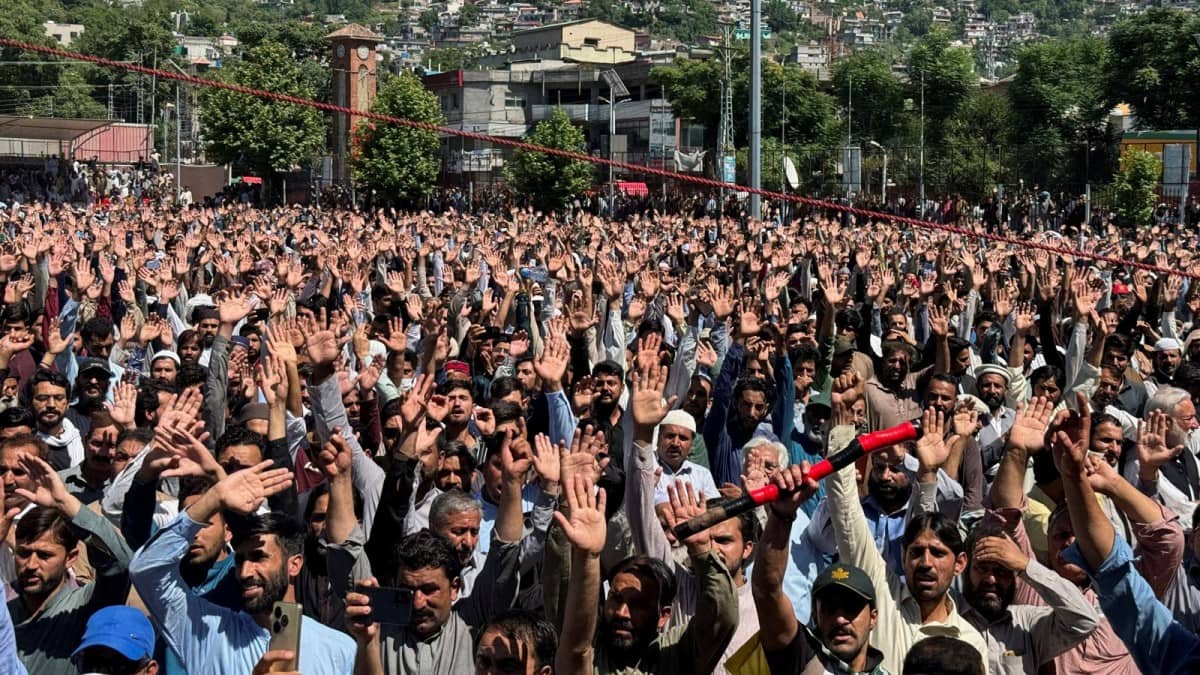
Pakistan’s main independent rights group said protesters in Pakistan-administered Kashmir may have faced too much force from authorities.
It said people were already angry because of political and economic problems, distrust, and limits on communication.
The Joint Awami Action Committee led many of the protests.
Pakistan later banned that group under anti-terrorism laws.
Elections for 45 assembly seats were held in stages, but voting in seven areas was delayed because of security problems.
The rights group said violence, security measures, and allegations of rigging raised questions about the election process.
The protest group reported many deaths, but the rights group could not check all of those claims.
Internet restrictions also made it harder to report and verify what happened.
The commission asked for an independent investigation into deaths and serious injuries.

The Human Rights Commission of Pakistan accused authorities of using disproportionate force against protesters in Pakistan-administered Kashmir.
The commission linked the unrest to institutional distrust, governance failures, and restrictions on expression and communication.
Elections for 45 assembly seats were planned in three phases; voting in seven constituencies was postponed over security concerns.
The Joint Awami Action Committee claimed more than 40 deaths during the first polling phase and around 400 deaths since early June.
The commission could not independently verify civilian casualty figures and called for an impartial investigation into deaths and serious injuries.
- Who
- The Human Rights Commission of Pakistan, the Joint Awami Action Committee, protesters, Pakistani authorities, election officials, and political groups.
- What
- A rights report criticized alleged disproportionate force during protests and questioned the credibility of elections in Pakistan-administered Kashmir.
- Where
- Pakistan-administered Jammu and Kashmir, including Rawalakot and constituencies in Poonch and Sudhnoti.
- When
- The unrest and reported casualties began in June; polling was scheduled from July 27 to August 10, with phases held on July 27 and August 2 and later voting postponed.
- Why
- The commission attributed the unrest to institutional distrust, governance failures, restrictions on expression and communication, and confrontational state responses.
Rights Group and Protesters
Pakistan Authorities and Election Officials
Use of force
Rights Group and Protesters
The Human Rights Commission of Pakistan said authorities used disproportionate, potentially lethal force and called for an independent investigation into deaths and serious injuries.
Pakistan Authorities and Election Officials
Authorities used security measures during unrest, and election officials cited security concerns when postponing voting in seven constituencies.
Election credibility
Rights Group and Protesters
The commission said heavy security, communications shutdowns, phased polling, a political boycott, postponed voting, and allegations of rigging undermined confidence in the elections.
Pakistan Authorities and Election Officials
The election process proceeded in phases, while officials treated security conditions as the reason for delaying some polling rather than evidence that the entire process was invalid.
Casualty reporting
Rights Group and Protesters
The Joint Awami Action Committee claimed more than 40 people died during the first polling phase and around 400 protesters died since early June.
Pakistan Authorities and Election Officials
The commission said it could not independently verify the full figures, and Pakistan’s federal government rejected the claim of around 400 deaths.
Political response
Rights Group and Protesters
The commission said the region’s grievances required a political solution and urged authorities to review cases against people detained or prosecuted for peaceful political activity or lawful assembly.
Pakistan Authorities and Election Officials
Pakistan banned the Joint Awami Action Committee under anti-terrorism laws and restricted international media access outside major cities.
Key facts
- Rights body
- Human Rights Commission of Pakistan
- Seats contested
- 45 directly elected seats in the Pakistan-administered Kashmir assembly
- Polling schedule
- Three phases were planned between July 27 and August 10
- Postponed voting
- Polling in seven constituencies was postponed because of the law-and-order situation
- Protest leadership
- The Joint Awami Action Committee led the protest movement
- Casualty claims
- The committee claimed more than 40 deaths during the July 27 polling phase and around 400 deaths since early June
- Commission position
- The commission said it could not independently establish the full scale or circumstances of civilian casualties
Quotes

Pakistan's human rights body
The Pakistani human rights commission that reported on the PoK unrest and elections.
“there was broad agreement among political and community stakeholders, including JKJAAC supporters and opponents, that the region's grievances required a political solution rather than coercive measures.”
 wionews.com
“We could not independently establish the full scale or circumstances of civilian casualties, particularly because the team was unable to access Rawalakot, one of the main centres of violence”
wionews.com

Randhir Jaiswal
Spokesperson for India’s Ministry of External Affairs
“This so-called local election in PoK is a complete farce. The real happening is that of public protests and wanton killings by Pakistani forces. Such hollow exercises cannot hide reality.”
 firstpost.com
Sources
Related news

Pakistan Rights Body Questions PoK Polls, Condemns Protest Force

PoK Unrest Exposes Cracks in Pakistan's Kashmir Narrative: Report
Pakistan postpones third phase of PoK elections amid ongoing unrest
Third Phase of PoK Polls Held Amid Rigging Allegations, Clashes
Why Asim Munir May Be Softening Toward Imran Khan
Pakistan Supreme Court Returns Government Plea Over Khan Transfer
Javed Akhtar Lashes Out at Pak President Over Hindu Remarks