

2 weeks ago
PoK Unrest Exposes Cracks in Pakistan's Kashmir Narrative: Report

People living in a part of Kashmir controlled by Pakistan were upset because the price of electricity went up a lot.
So community leaders and local groups organized protests.
They wanted cheaper electricity and more say in how their region is run.
Instead of talking to them, the Pakistan government made their protest group illegal and turned off the internet.
Security forces used force, and some protesters were killed.
Pakistan also held elections in the region, but many people said the elections were not fair because protests were banned and the internet was still off.
The government said many people voted, but protest leaders disagreed.
Reporters were not allowed to visit the area unless they got special permission.
A research group's report says this shows Pakistan's promises of freedom to the people of Kashmir are not being kept.

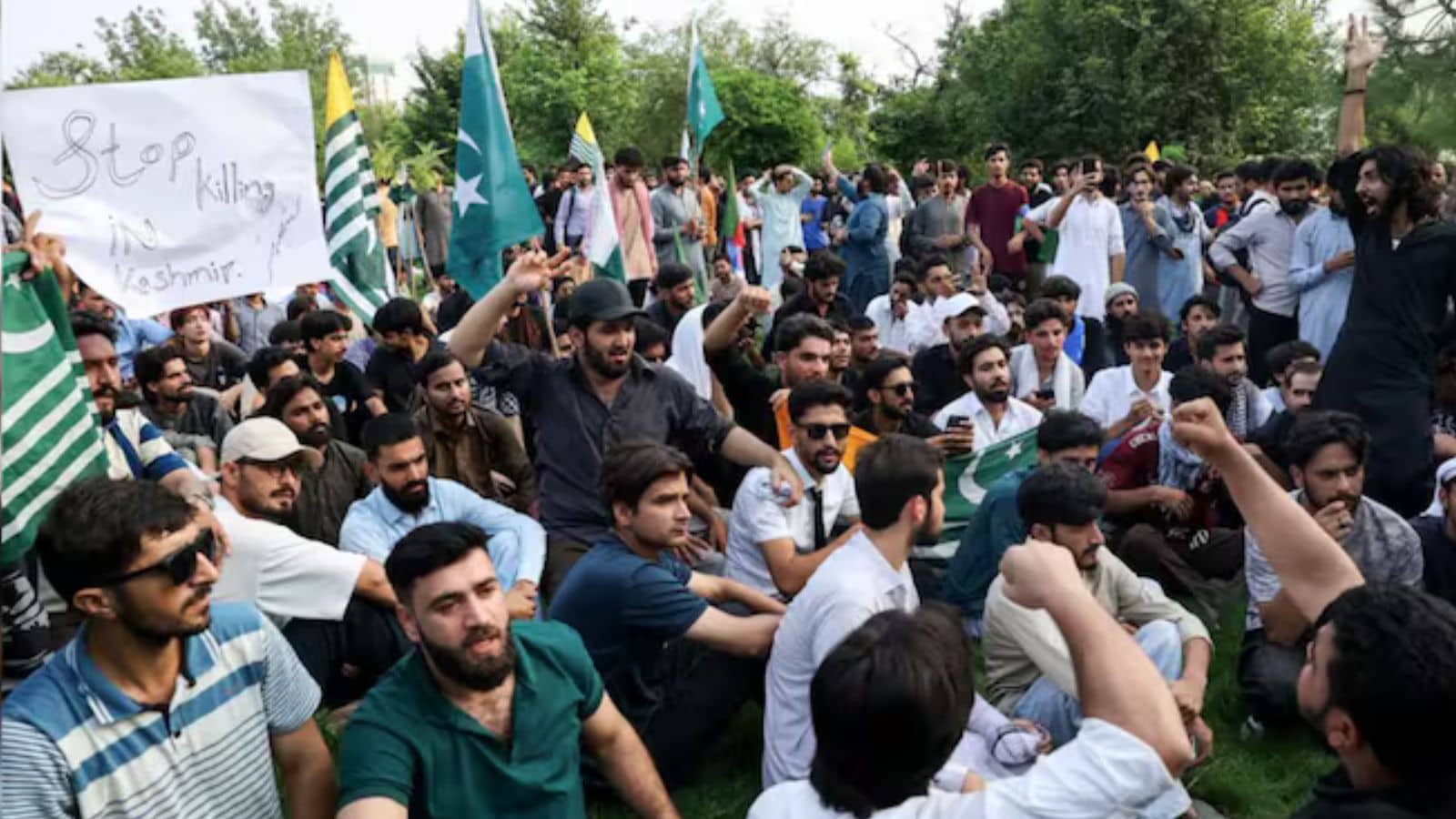
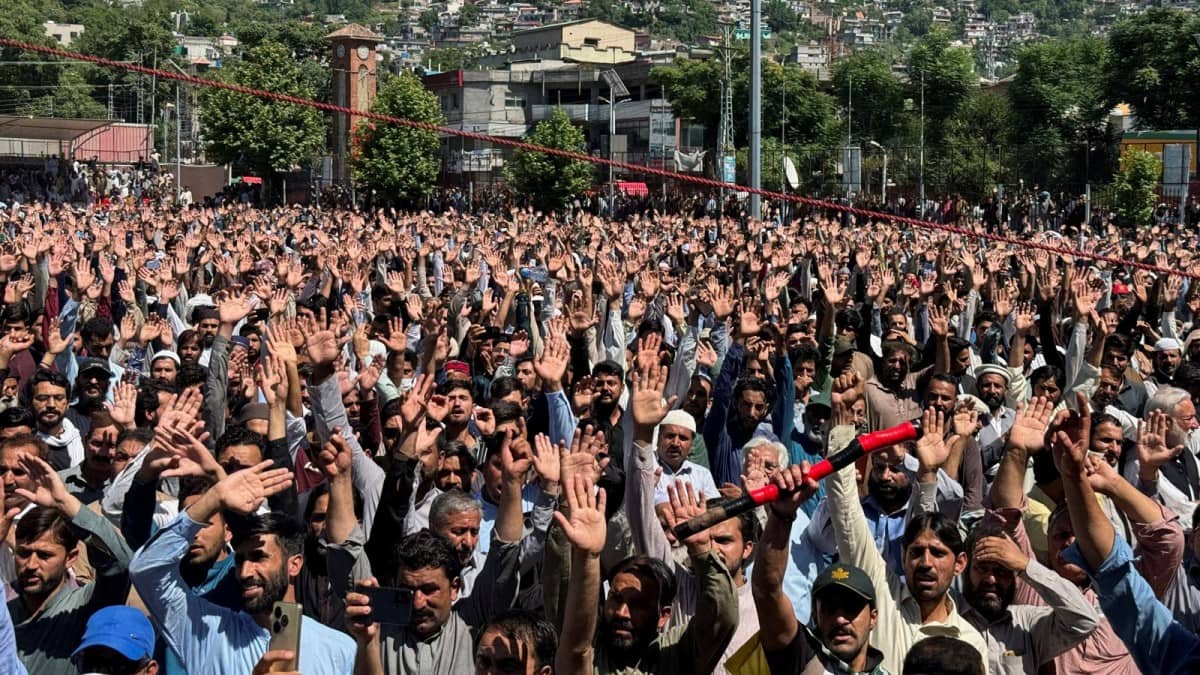
Unrest in Pakistan-occupied Kashmir (PoK) erupted in June as a cost-of-living protest led by the Joint Awami Action Committee (JAAC) against soaring electricity prices and demanding greater political autonomy.
Islamabad banned JAAC under counterterrorism legislation, severed internet access, and killed dozens of protesters during a crackdown, according to a report by the US-based Middle East Media Research Institute (MEMRI).
Pakistan held three-phase PoK legislative assembly elections from July 27 to August 10 despite the continued internet shutdown and the ban on the coalition representing the protest movement.
Authorities put voter turnout at more than 50 per cent, a figure disputed by organisers of the election boycott.
New Foreign Media Facilitation Guidelines 2026 require foreign journalists to obtain a No-Objection Certificate to travel outside Islamabad, Lahore, and Karachi, making independent verification of events nearly impossible.
- Who
- Residents of Pakistan-occupied Kashmir, the Joint Awami Action Committee (JAAC) coalition, Pakistani security forces and authorities, and the US-based Middle East Media Research Institute (MEMRI), which compiled the report.
- What
- A cost-of-living protest movement demanding lower electricity prices and greater political autonomy escalated into a government crackdown, an internet shutdown, and disputed legislative assembly elections in PoK.
- Where
- Pakistan-occupied Kashmir (PoK), including its capital Muzaffarabad.
- When
- The unrest erupted in June; the three-phase elections were held from July 27 to August 10.
- Why
- Residents protested soaring electricity prices and demanded greater political autonomy; analysts say Islamabad's suppression has exposed cracks in its narrative of representing Kashmiri Muslims.
Protesters and Critics
Pakistani Authorities
Election Credibility
Protesters and Critics
Boycott organisers dispute the official turnout figure of more than 50 per cent, arguing the elections were held under an internet shutdown and with the protesting coalition banned.
Pakistani Authorities
Authorities put voter turnout at more than 50 per cent and completed the three-phase legislative assembly elections as scheduled.
Handling of Protests
Protesters and Critics
Critics, including Kashmiri novelist Mirza Waheed, describe the crackdown as indiscriminate use of force and suppression of dissent rather than dialogue, with wounded protesters avoiding hospitals out of fear.
Pakistani Authorities
Islamabad treated the situation as a security matter, banning JAAC under counterterrorism legislation and proceeding with the electoral process.
Media Access and Verification
Protesters and Critics
With foreign correspondents excluded and the internet down, independent verification of casualty figures and arrests became nearly impossible during the weeks that mattered most.
Pakistani Authorities
Pakistan issued the Foreign Media Facilitation Guidelines 2026, which require foreign journalists to obtain a No-Objection Certificate before covering areas outside the three major cities.
Key facts
- Protest coalition
- Joint Awami Action Committee (JAAC)
- Protest demands
- Lower electricity prices; greater political autonomy
- Government response
- JAAC banned under counterterrorism law; internet severed; dozens of protesters killed
- Elections
- Three-phase PoK legislative assembly elections, July 27 - August 10
- Claimed voter turnout
- More than 50 per cent (disputed by boycott organisers)
- Report source
- US-based Middle East Media Research Institute (MEMRI)
- Media rules
- Foreign Media Facilitation Guidelines 2026 require a No-Objection Certificate from Pakistan's Ministry of Information and Broadcasting (MOIB) for travel outside Islamabad, Lahore, and Karachi
Quotes
MEMRI report
Middle East Media Research Institute
“With foreign correspondents excluded from the affected areas and the internet down, independent verification of casualty figures, arrest numbers and the scale of the security response became nearly impossible during the weeks that mattered most.”
 thehansindia.com
“The distortive narrative of Islamabad’s “representing the interests of Kashmiri Muslims” has collapsed in the face of widespread internet shutdowns, the killing of protesters, and the exclusion of foreign media from the region.”
thehansindia.com
Sources
Related news

Report: Pakistan used bullets, media blackout to hide PoK brutalities
Pakistan's Kashmir Story Collapses Under Weight of PoK Protests
Pakistan Rights Body Questions Force and PoK Election Credibility
Pakistan postpones third phase of PoK elections amid ongoing unrest
