

3 weeks ago
BJP and Akali Dal May Need Each Other Again
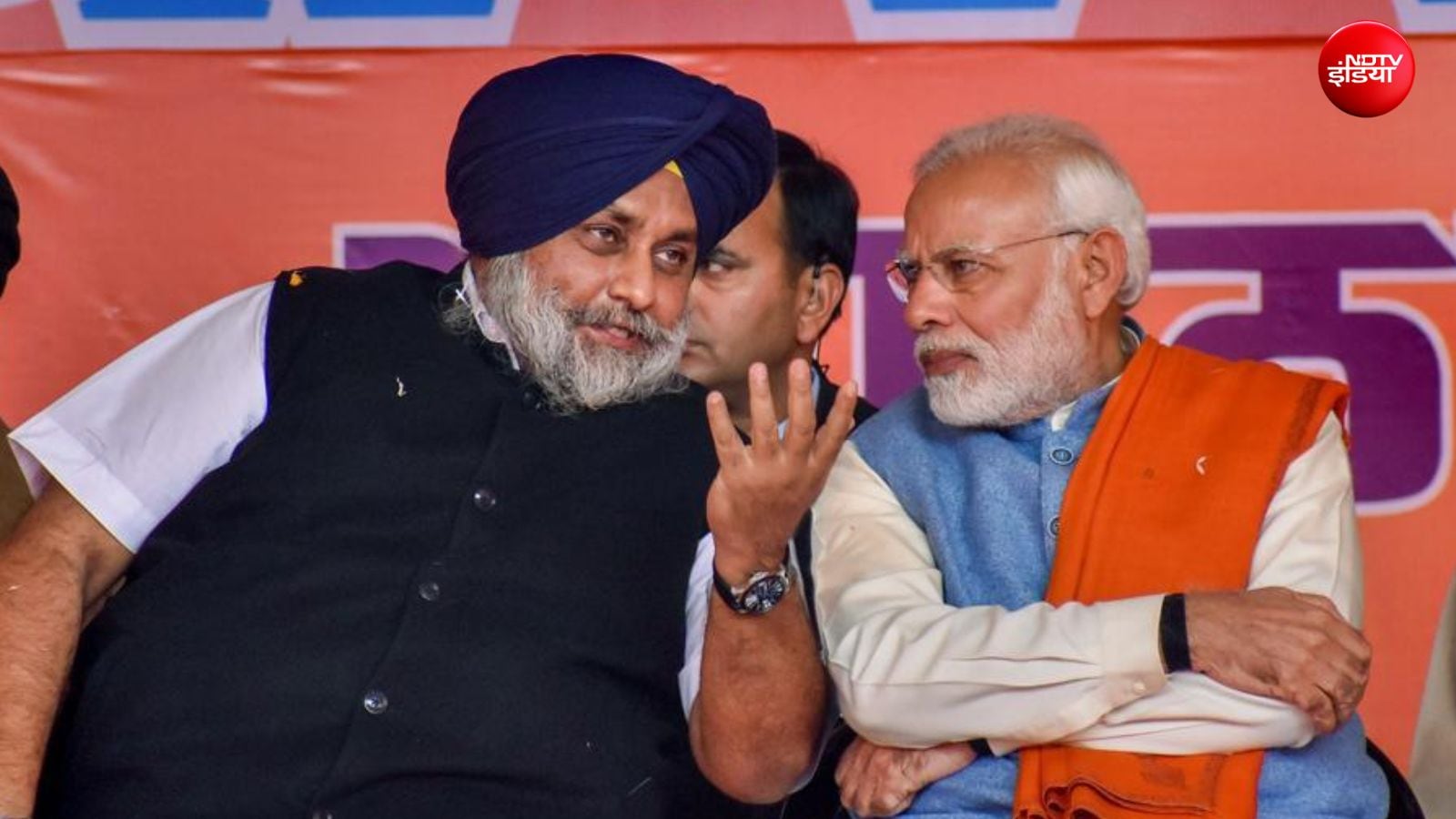
In Punjab, a state in India, people vote for different political teams.
Two of those teams, the BJP and the Akali Dal, used to work together like good friends.
A few years ago, they decided to compete on their own instead.
When they did, neither team won many seats.
In one big election, the BJP got a lot of votes but did not win any seats at all.
The Akali Dal used to be one of the strongest teams in Punjab, but now it is losing support too.
Each team has different strengths: the BJP is popular in cities, while the Akali Dal is strong in villages.
So some people think the two teams should become friends again and help each other win.
But that is tricky because they both want more power and may not agree on how to share the seats.

The BJP and the Shiromani Akali Dal, long-time allies, contested Punjab's 2022 assembly and 2024 Lok Sabha elections as separate parties.
The BJP's Punjab vote share rose from 6.6 per cent in 2022 to 18.56 per cent in 2024, but it won zero of the 13 Lok Sabha seats.
The SAD's vote share fell from 27.45 per cent in 2019 to 13.42 per cent in 2024, winning only one seat, Bathinda.
The combined 2024 vote share of the two parties was approximately 31.98 per cent, which the analysis says strengthens the case for an alliance.
An alliance could pool the BJP's urban vote base with the SAD's rural organisation, but seat-sharing and changed relations since the farmers' agitation remain hurdles.
- Who
- The Bharatiya Janata Party (BJP) and the Shiromani Akali Dal (SAD), former allies in Punjab politics.
- What
- A strategic analysis of why the two parties may need to reunite after contesting elections separately with weak seat outcomes.
- Where
- Punjab, India.
- When
- Based on the results of the 2022 Punjab Assembly election and the 2024 Lok Sabha election.
- Why
- Neither party can convert its vote share into seats on its own, and their respective urban and rural strengths are complementary.
Case for an alliance
Case for going it alone
Electoral strategy
Case for an alliance
The combined vote share of about 31.98 per cent shows both parties together command a much larger pool of votes than either converts into seats separately, and their urban and rural strengths are complementary.
Case for going it alone
Simply adding vote shares does not mean an alliance would win seats; votes can overlap, candidates can perform differently, and voters do not necessarily transfer support from one partner to another.
BJP's expansion ambition
Case for an alliance
The BJP needs a stronger bridge into rural Punjab and sections of the Sikh electorate, which the SAD's rural organisation, regional identity and historical network could provide.
Case for going it alone
The BJP's rise from 6.6 per cent to 18.56 per cent gives the party an incentive to build its own organisation rather than remain permanently dependent on the SAD.
Alliance feasibility
Case for an alliance
With neither party able to win a mandate alone, an alliance could act as 'oxygen' for both by pooling complementary strengths rather than competing against each other.
Case for going it alone
Relations with sections of Punjab's electorate have changed since the farmers' agitation and the 2022 election, and seat-sharing could become the biggest hurdle since the SAD would negotiate from a weaker position.
Key facts
- BJP 2022 assembly vote share
- 6.6% (2 seats: Pathankot and Mukerian)
- BJP 2024 Lok Sabha vote share
- 18.56% (0 of 13 seats)
- SAD 2022 assembly vote share
- 18.38% (3 seats)
- SAD 2024 Lok Sabha vote share
- 13.42% (1 seat: Bathinda)
- SAD 2019 vote share
- 27.45%
- Combined BJP-SAD 2024 vote share
- ~31.98%
- AAP 2022 assembly seats
- 92 of 117
Sources
Related news
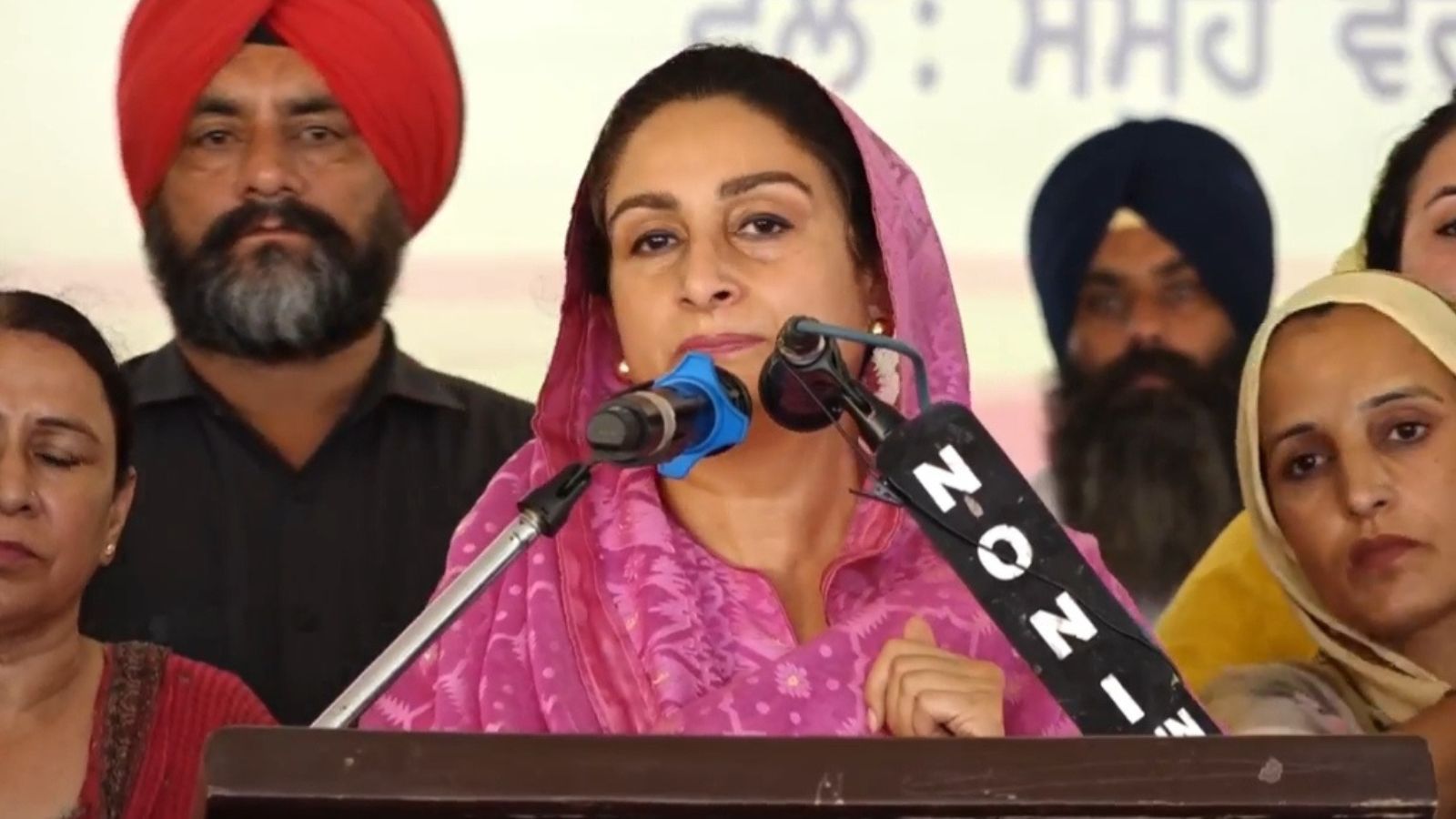
BJP, Akali Dal Face Hurdles Reviving Punjab Alliance
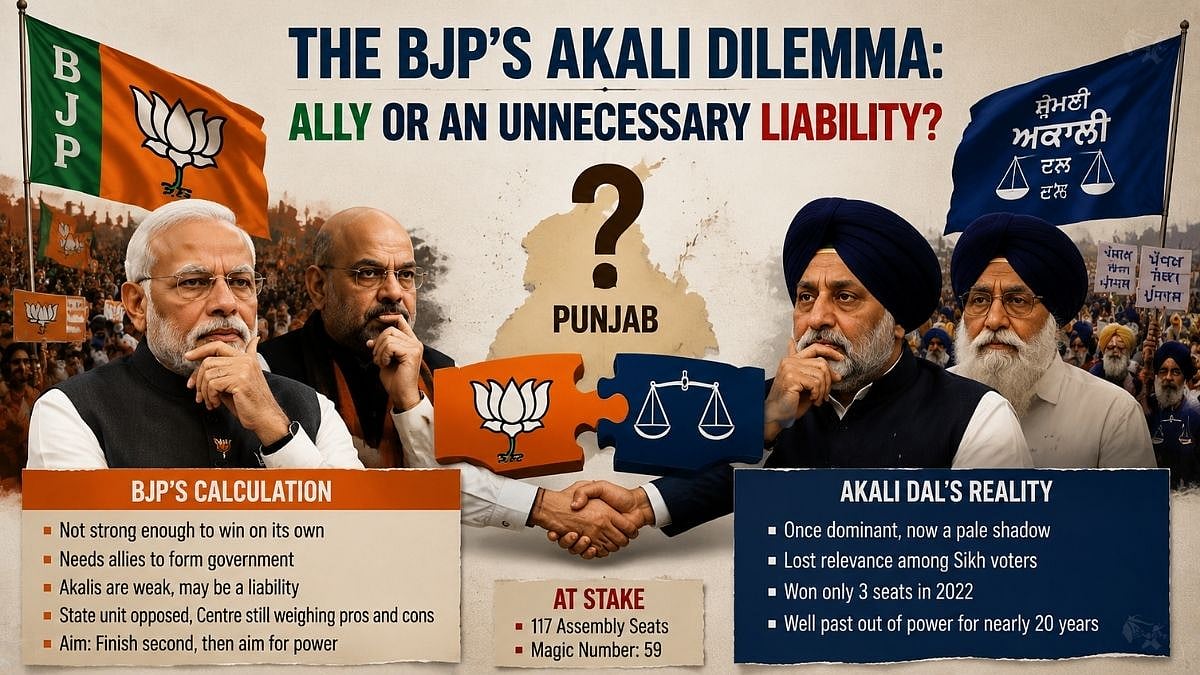
BJP Weighs Reviving Akali Alliance Before Punjab Elections
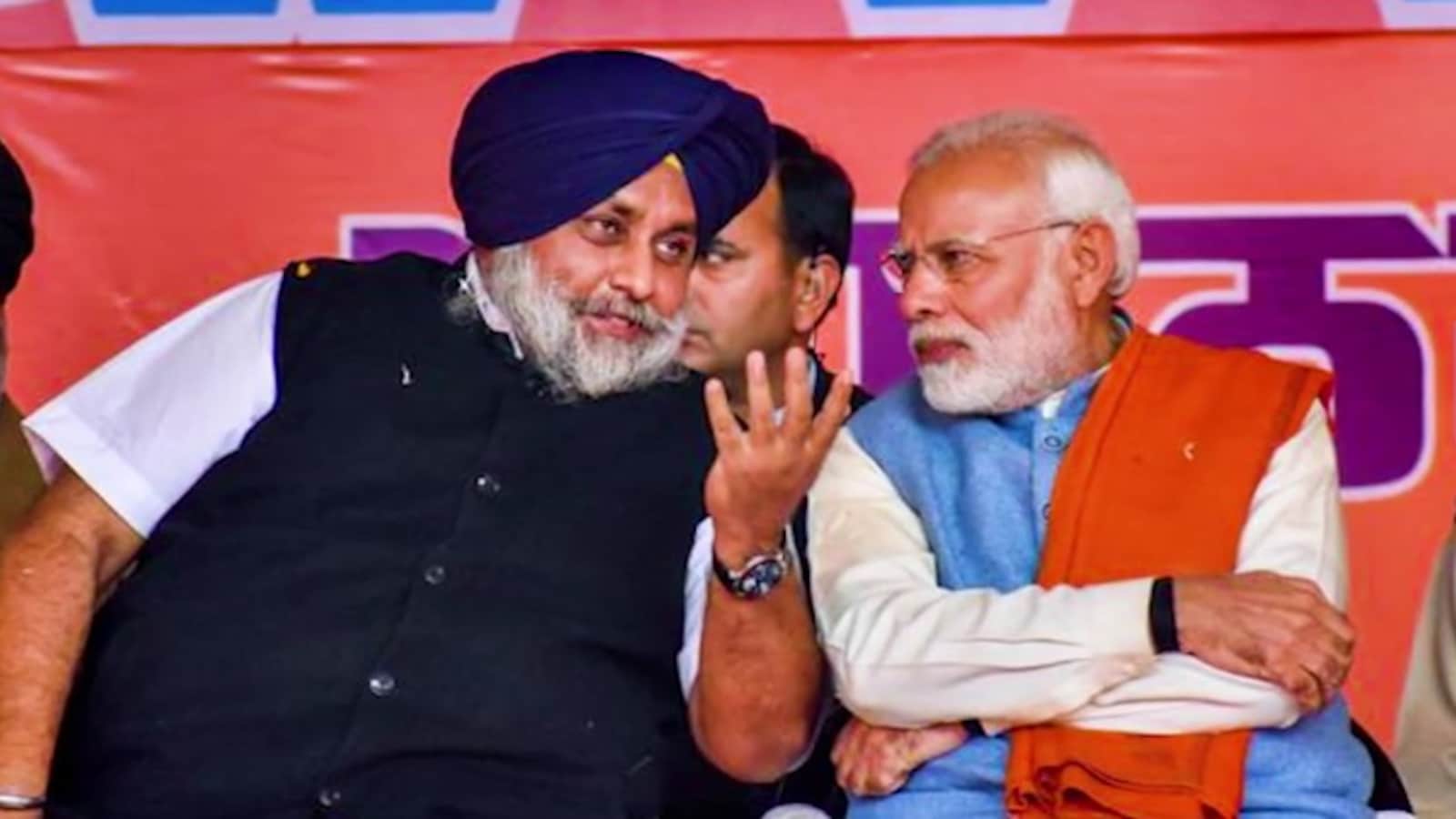
BJP-Akali Reunion Faces Five Major Roadblocks, Analysis Says
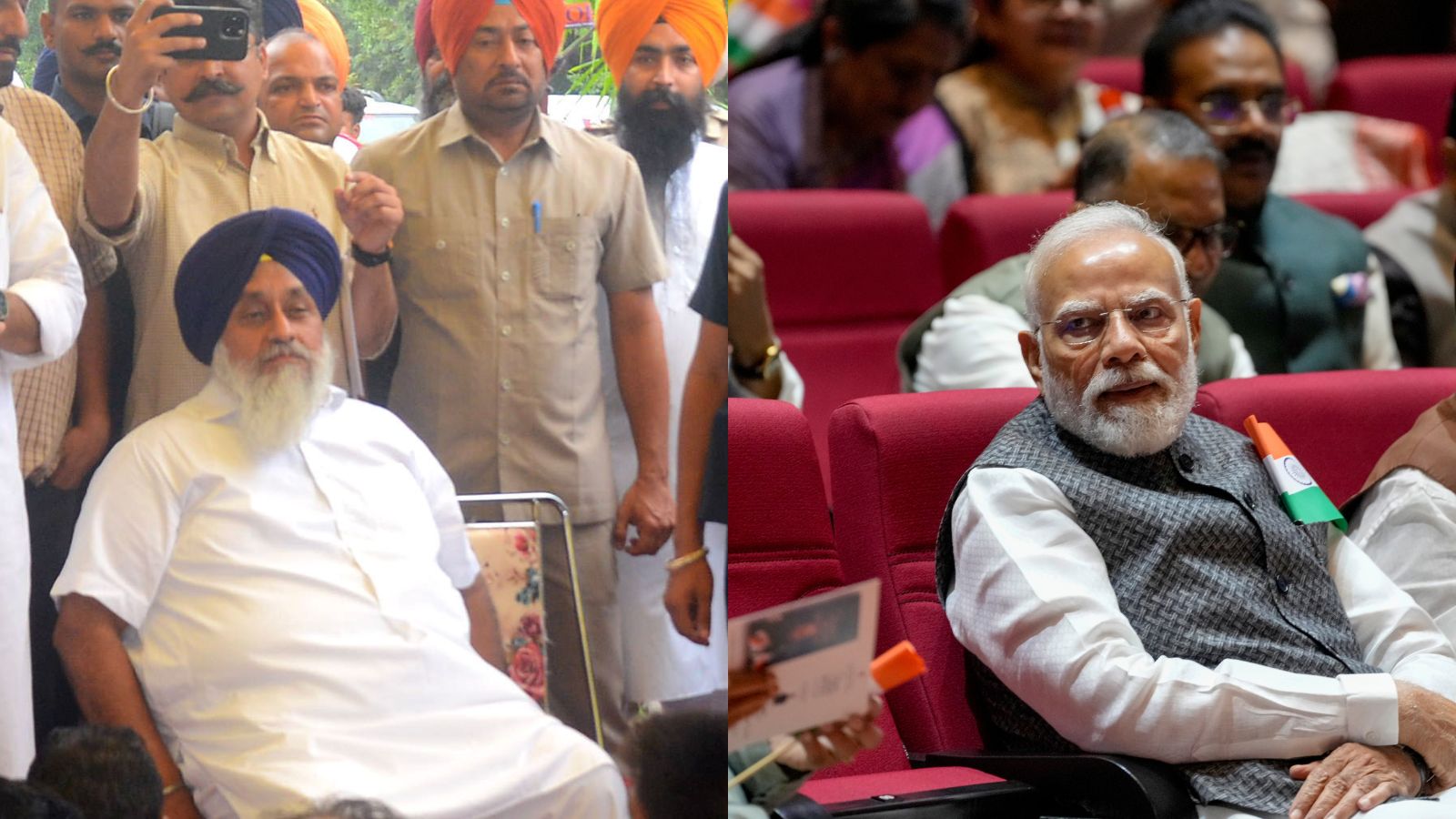
BJP-Akali alliance buzz returns ahead of Punjab polls
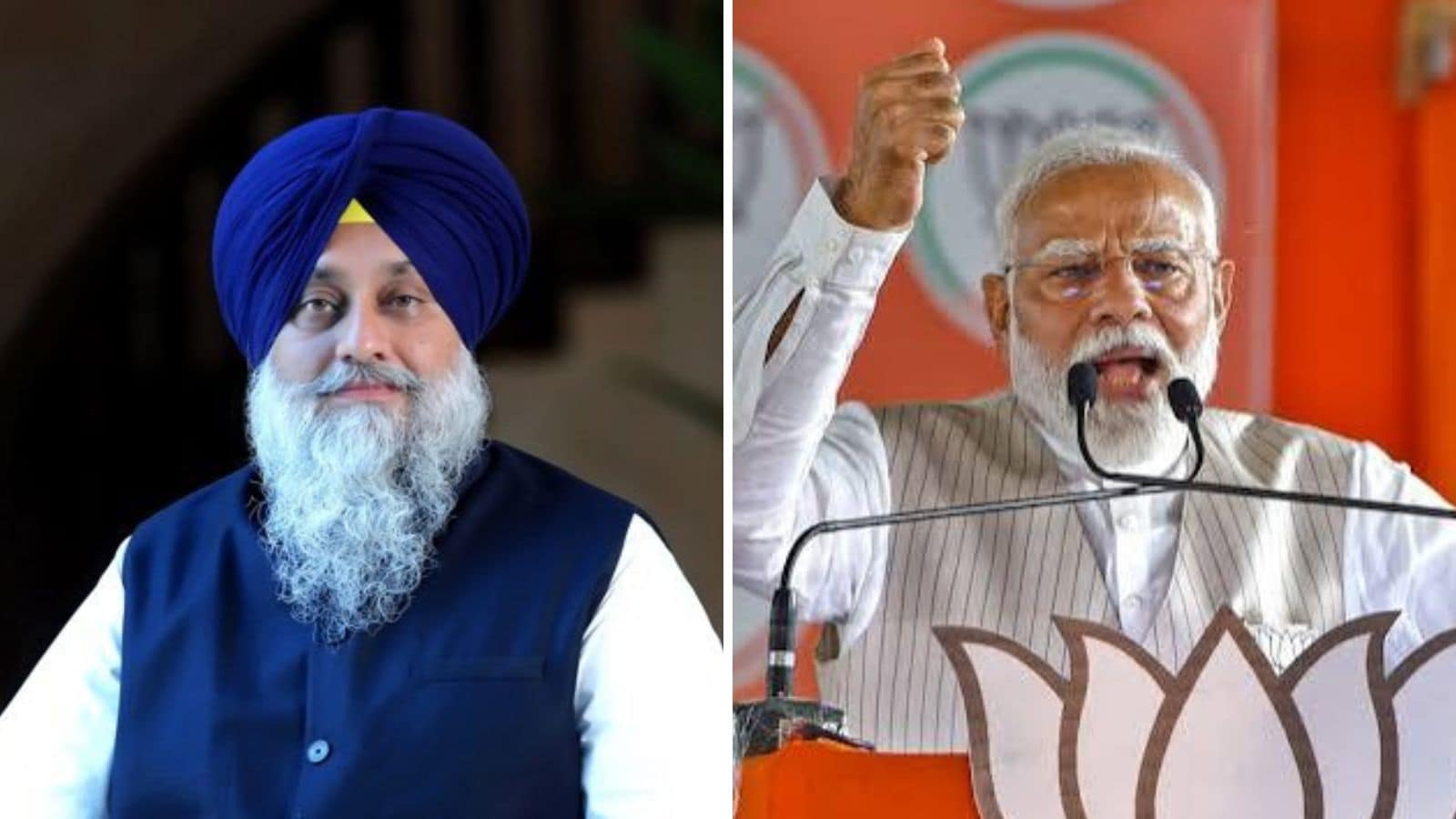
BJP Seeks Akali Dal Alliance to Challenge AAP in Punjab
Pigeon With Suspected Pakistani Number Triggers Border Security Inquiry

Punjab Government Employees Strike as Mann Rejects Talks
Pakistan Deploys Chinese SH-15 Artillery Near India Border

Five killed in Himachal Pradesh car crash