4 hrs ago
India Trials Full-Body Airport Scanners Amid Aviation Security Concerns
India is testing special scanners at two airports.
These scanners check whether someone may be carrying something dangerous.
Officials are studying the results before deciding whether to use them at more airports.
The scanners were planned several years ago, not because of the recent Flydubai incident.
Earlier versions created images of passengers, which raised privacy concerns.
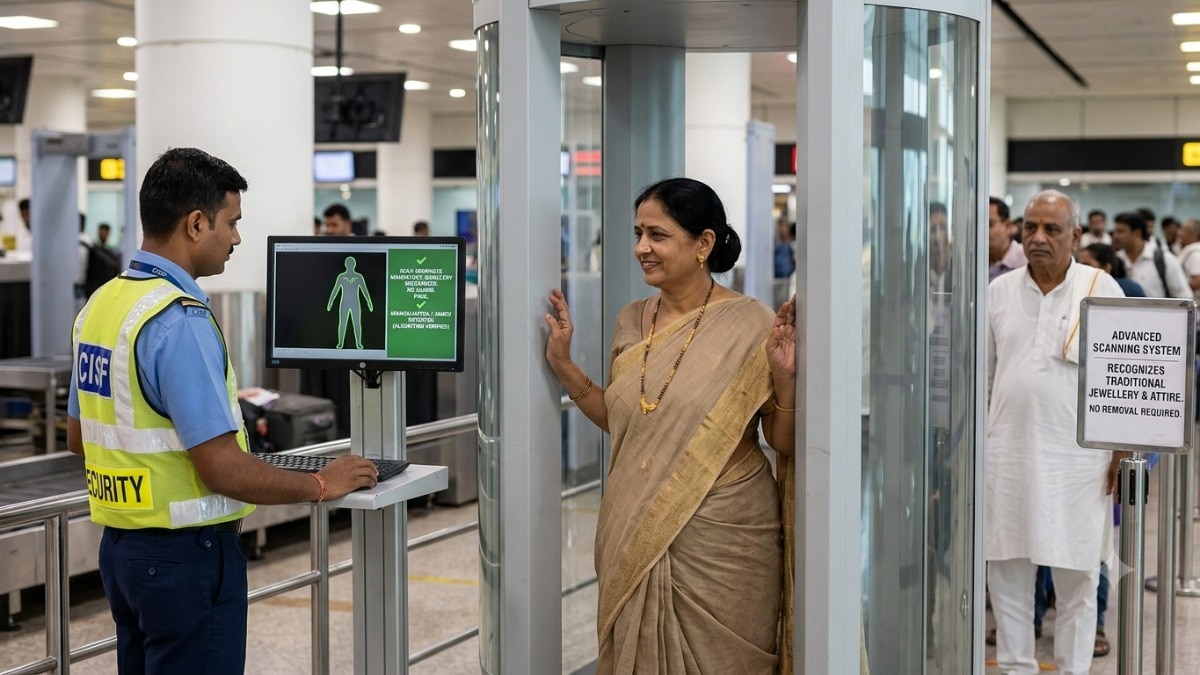
Newer versions are being designed to show only a simple model of a person.
Officials are also adjusting the scanners so everyday items, such as jewelry or a mangal sutra, do not cause unnecessary alarms.
The tests come as experts discuss how to improve safety inside airplane cockpits.

The Bureau of Civil Aviation Security is collecting data from full-body scanner trials at Bengaluru and Cochin airports.
The findings will help determine whether the scanners are deployed at other airports across India.
Full-body scanners have been mandated for eight airports, though specific airports were not identified.
BCAS is refining scanners to protect passenger privacy and prevent alarms caused by common Indian clothing and ornaments.
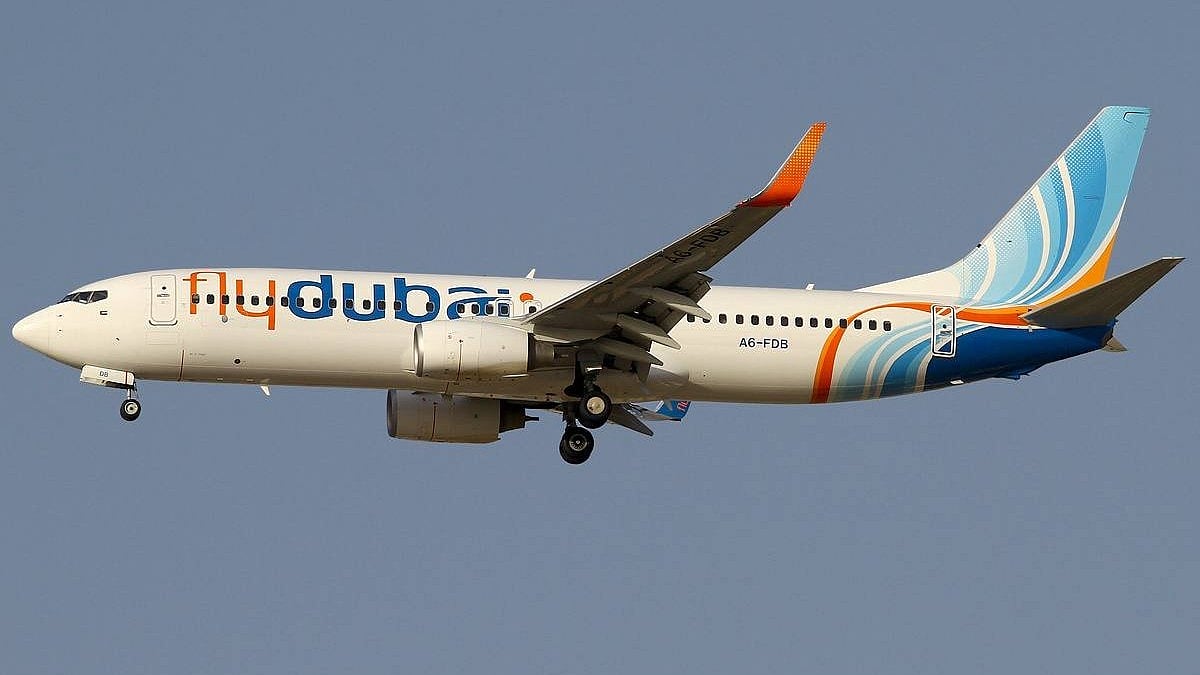
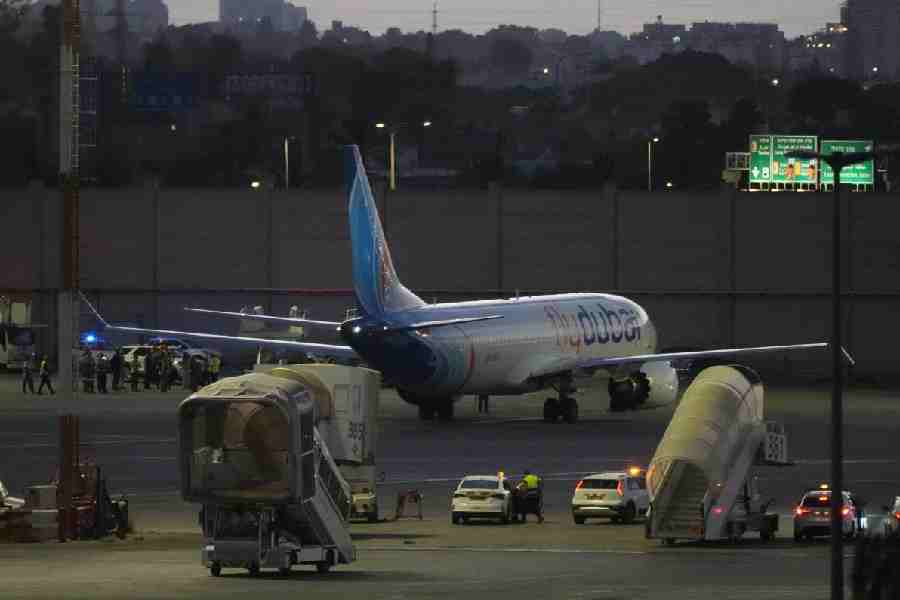
The trials follow heightened aviation security concerns after a Flydubai copilot allegedly attacked the pilot, but the scanner plan predates the incident.
- Who
- The Bureau of Civil Aviation Security, led by Director General Rajesh Nirwan, is conducting the trials.
- What
- India is testing full-body scanners and collecting data to assess their wider deployment.
- Where
- Trials are taking place at Bengaluru and Cochin airports in India.
- When
- The update was given on Thursday, one day after the Flydubai incident; the scanner proposal began several years earlier.
- Why
- The data will guide deployment decisions, while officials work to address privacy concerns and improve scanner accuracy for people in India.
Passenger Privacy and Practicality
Expanded Aviation Security
Use of full-body scanners
Passenger Privacy and Practicality
Earlier scanners raised privacy concerns because they produced an image of a person, and officials are addressing this through image-agnostic technology.
Expanded Aviation Security
Full-body scanners could provide an additional security measure at airports, with trial results informing possible wider deployment.
Scanner alarms
Passenger Privacy and Practicality
Passengers could face inconvenience or unnecessary scrutiny if ordinary items, including ornaments or a mangal sutra, trigger alarms.
Expanded Aviation Security
Refining the algorithms for items commonly worn in India could improve screening accuracy while preserving the security purpose of the scanners.
Response to the Flydubai incident
Passenger Privacy and Practicality
The scanner program should not be presented as a direct reaction, because the proposal predates the incident.
Expanded Aviation Security
The incident has renewed attention to aviation security and prompted experts to call for reviews of aircraft-security rules, including threats from people already inside a cockpit.
Key facts
- Testing agency
- Bureau of Civil Aviation Security (BCAS)
- Trial locations
- Bengaluru and Cochin airports
- Planned coverage
- Full-body scanners have been mandated for eight airports
- Privacy approach
- BCAS is working toward image-agnostic scanners that produce only a model of a person
- Algorithm adjustments
- Algorithms are being refined to reduce alarms caused by items commonly worn by people in India
- Related incident
- A Flydubai copilot allegedly attacked the pilot in an apparent attempt to crash the aircraft
- Deployment status
- Data collection is ongoing; wider deployment has not yet been decided
Quotes
Rajesh Nirwan
Director General of the Bureau of Civil Aviation Security
“Over the years, and especially after the 9/11 attacks, regulations across the world have focused on ensuring that no unauthorised entry can take place in the cockpit. But, in this case, this exact provision had to fail to ensure that people in the cabin can rush in for help and qualified pilots in the cabin can take over the navigation of the plane.”
 firstpost.com
“What we are getting today in India is based on algorithms that have been designed for foreign markets. There are certain typical things that are on the body of Indian citizens or people living in India. So, those algorithms are also being continuously refined.”
firstpost.com
Sources
Related news

India Trials Refined Full-Body Scanners At Two Airports
India Approves Full-Body Scanners For Eight Major Airports
India's Airport Scanners Being Refined For Mangalsutras, Janeus
India To Review Aviation Security After Flydubai Mid-Air Attack
Flydubai Cockpit Attack Exposes Gaps in International Aviation Security
Civil aviation ministry notices Air India over immigration security lapse

Narayanaswamy alleges Karnataka government failing to protect Dalits

Assam Zoo Redeveloped as World-Class Wildlife Destination Under Project

India’s Electric Motorcycle Market Gains Traction Despite Excess Capacity

Mall Retail Leasing Drops 38% Across Eight Major Cities
Vande Bharat Extension Links Bengaluru, Coastal Karnataka And Goa