12 hrs ago
Flydubai Hijack Scare Prompts Review of Israel Aviation Security
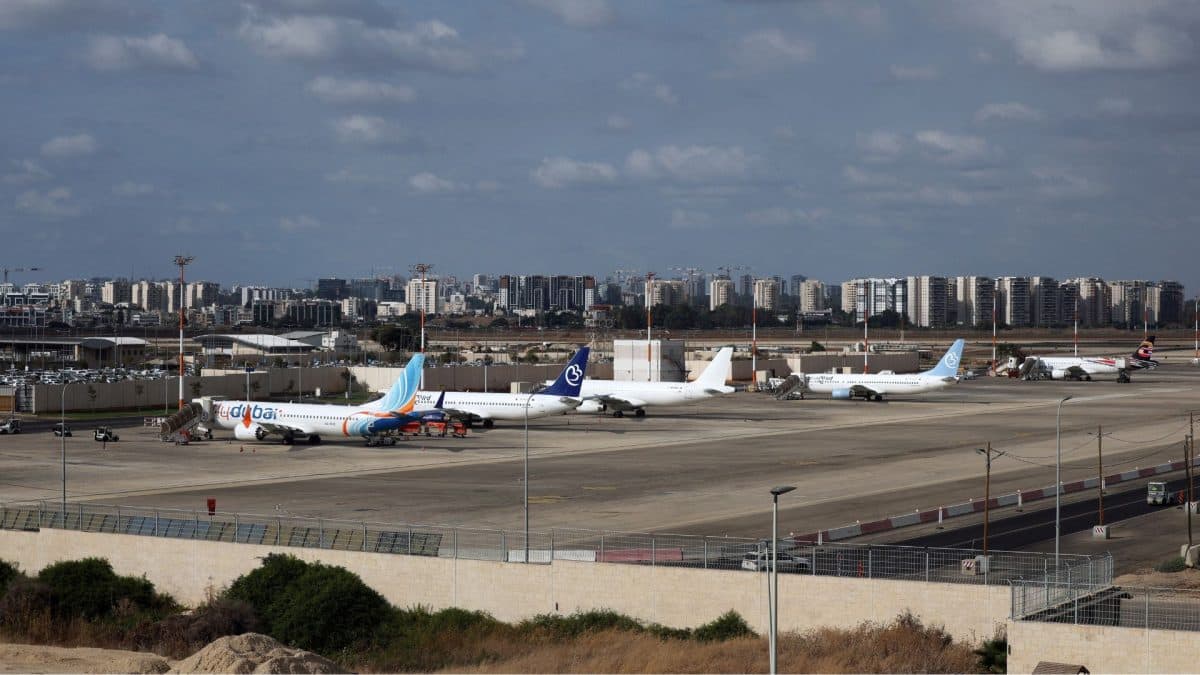
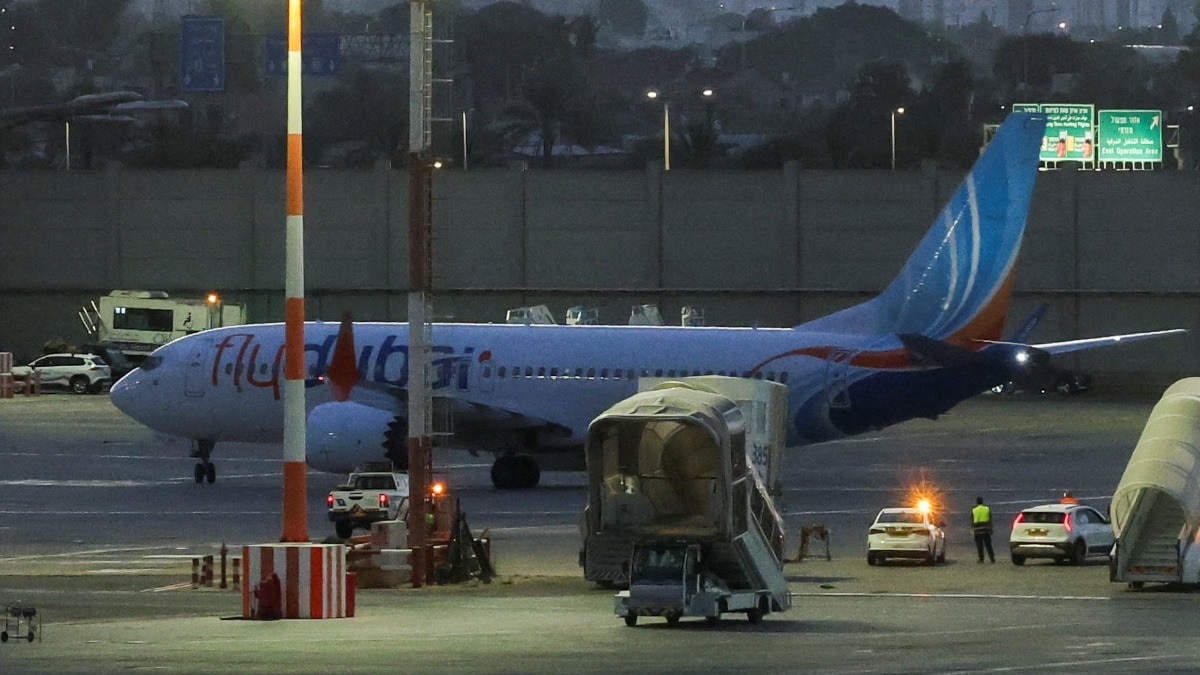
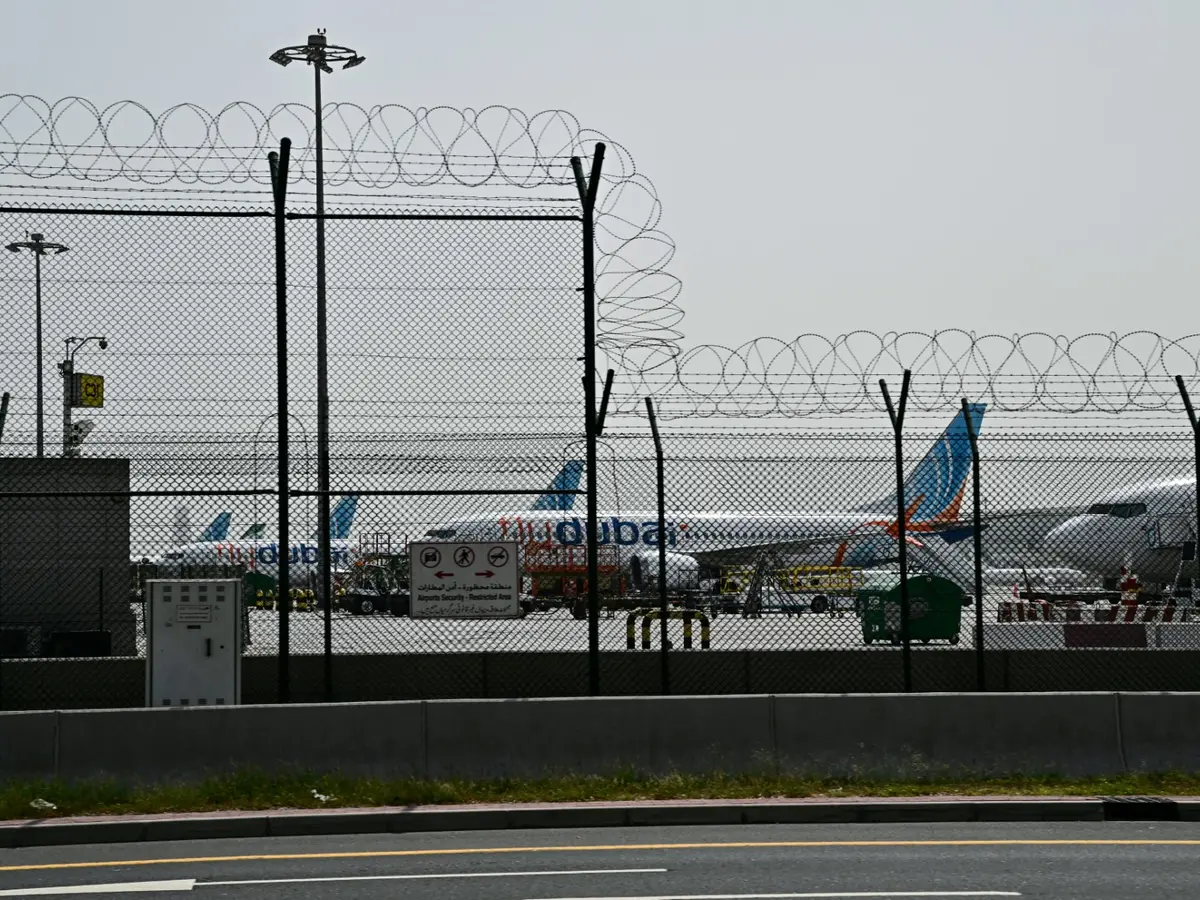
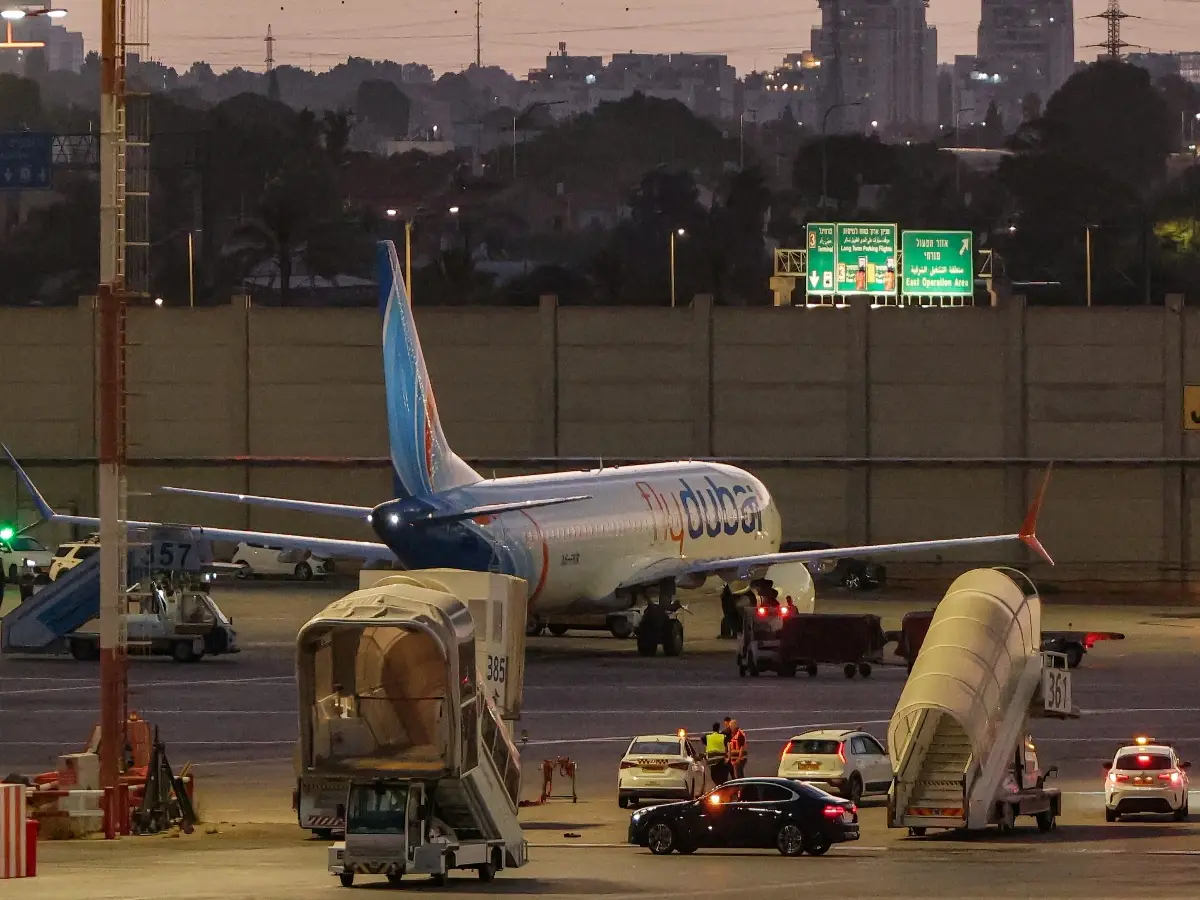
A Flydubai airplane had a frightening emergency while flying toward Israel.
The plane sent a signal that can mean someone is trying to hijack it.
Reports said the co-pilot attacked the captain inside the cockpit.
Passengers rushed forward and stopped the attacker.
They also helped the injured captain.
The plane landed safely in Saudi Arabia instead of continuing to Israel.
Israeli officials then reviewed how foreign airlines and their crews are checked.
The incident raised questions about how to protect airplanes when the danger comes from inside the cockpit.
Israel is known for using many layers of airport and airline security.

Flydubai Flight FZ1073 sent hijack and emergency transponder signals over Saudi Arabia.
Reports alleged that an Omani co-pilot attacked Indian captain Smit Machchhar inside the cockpit.
Passengers and an off-duty crew member restrained the attacker and helped stabilize the aircraft.
The Boeing 737 MAX 8 diverted safely to Tabuk, where Saudi authorities arrested the attacker.
Israel ordered a review of foreign crew vetting, cockpit protection, screening, and intelligence-sharing.
- Who
- Passengers, the Indian captain Smit Machchhar, an Omani co-pilot, Flydubai crew members, Saudi authorities, and Israeli security officials.
- What
- An alleged hijack attempt and cockpit attack occurred aboard Flydubai Flight FZ1073.
- Where
- The incident occurred over Saudi Arabian airspace, and the aircraft diverted to Tabuk Regional Airport in Saudi Arabia.
- When
- September 30; the article does not specify the year.
- Why
- The incident prompted Israel to reassess foreign crew vetting, cockpit security, passenger screening, and intelligence-sharing for flights operating into Israel.
Layered Israeli Security
Foreign Carrier Vulnerabilities
Overall aviation protection
Layered Israeli Security
Israel's system is presented as a proactive, intelligence-led model built around behavioral screening, baggage checks, armed security, and multiple protective layers.
Foreign Carrier Vulnerabilities
The Flydubai incident showed that extensive airport security may not prevent a threat originating inside a foreign aircraft's cockpit.
Crew oversight
Layered Israeli Security
Israeli authorities favor advance crew manifests, national-security screening, and the ability to deny access to flights with personnel who fail preliminary checks.
Foreign Carrier Vulnerabilities
Foreign airlines use differing vetting systems, and the presence of an Omani co-pilot on a flight bound for Israel raised questions about international crew oversight.
Cockpit protection
Layered Israeli Security
Israel is seeking stronger international requirements, including dual-personnel cockpit policies, interior video monitoring, and biometric flight-deck access.
Foreign Carrier Vulnerabilities
The alleged attack demonstrated a security gap because the threat came from a member of the flight deck rather than from a passenger entering the cockpit.
Key facts
- Flight
- Flydubai FZ1073
- Aircraft
- Boeing 737 MAX 8
- Passengers
- Approximately 180
- Emergency signals
- The aircraft changed from transponder code 7700 to 7500, the international hijacking signal.
- Diversion airport
- Tabuk Regional Airport, Saudi Arabia
- Israeli response
- Authorities ordered a review of foreign crew screening and cockpit protection.
- Security model
- Israel emphasizes intelligence-led, behavioral, and layered aviation security.
Sources
Related news
Israel Tightens Pilot Checks After Flydubai Mid-Air Attack
Flydubai Flight Incident Sparks Terror Attack and Hijacking Claims
Flydubai Suspends Israel Flights Amid Investigation Into Cockpit Incident

Passengers Avert Flydubai Crash Attempt, Plane Lands in Saudi Arabia

Indian Captain Stabilizes Flydubai Flight After Cockpit Stabbing
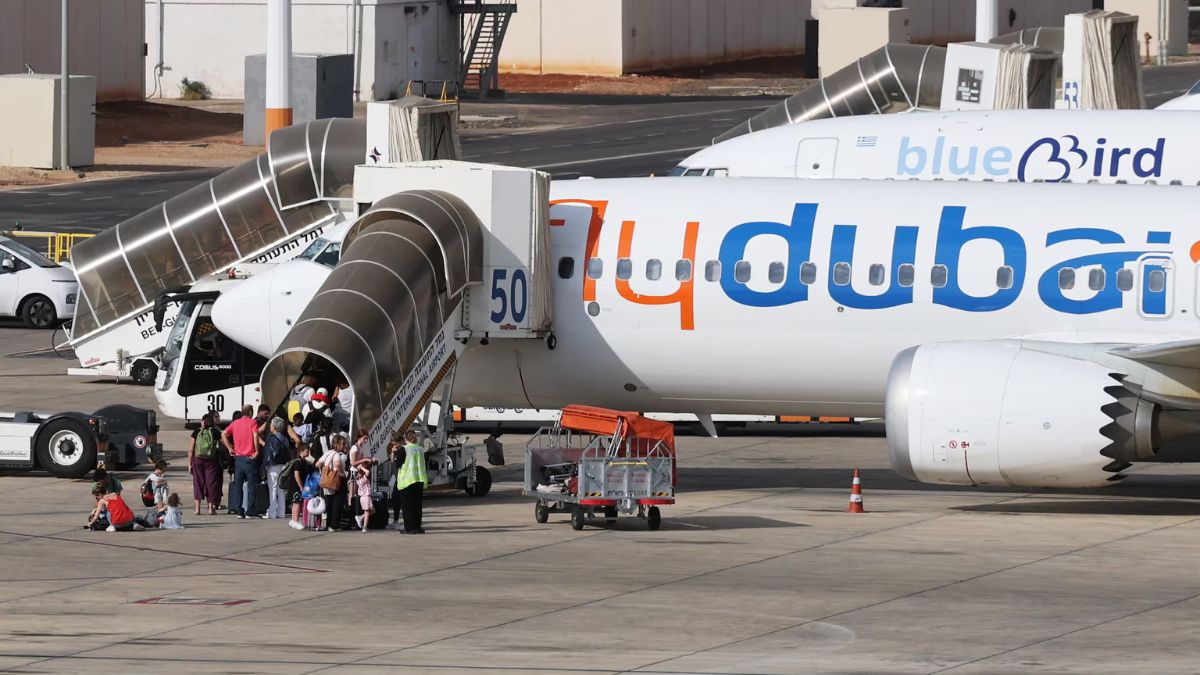
Flydubai FZ1073 Cockpit Crisis Ends in Safe Saudi Landing

UAE Investigates Possible Terror Link in Flydubai Cockpit Attack
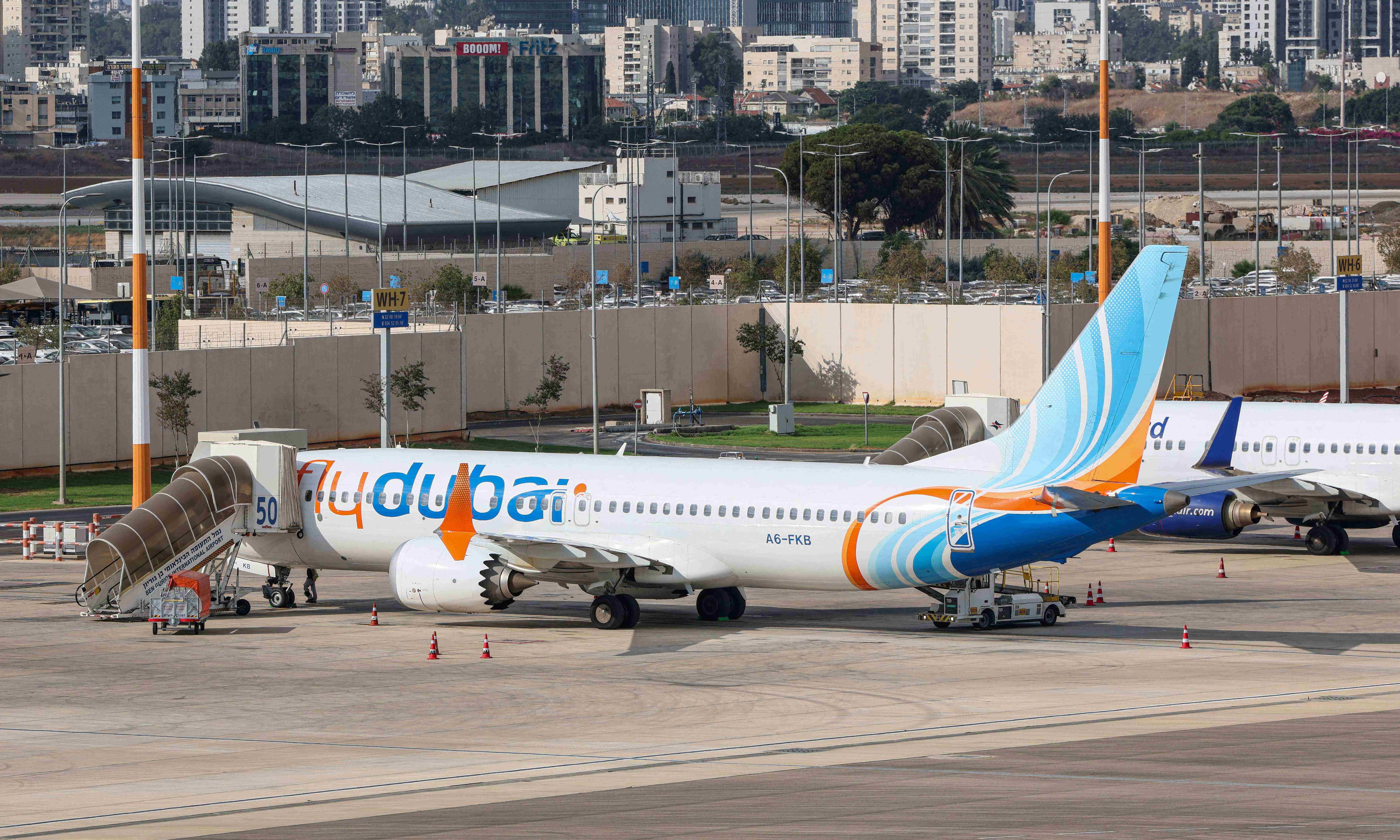
Flydubai Flight Diverted After Cockpit Attack, Possible Terror Probe

Netanyahu’s Secret UAE Visit Raises October 7 Questions

Former Israeli Minister Confirms Hamas Warning Before October 7 Attack