

6 days ago
Hyundai’s 2030 Roadmap Tests Its Strength In India
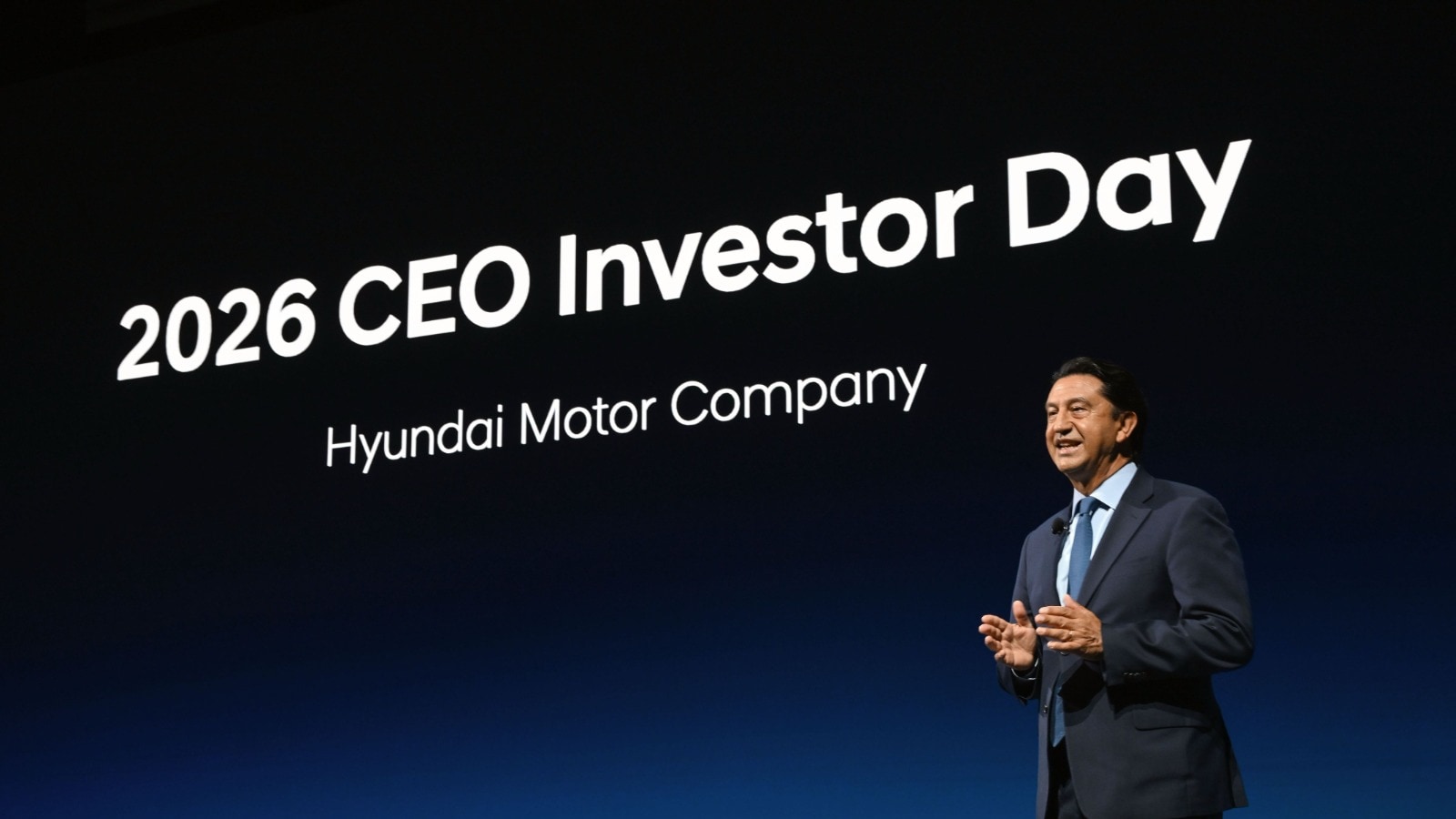
Hyundai has made a big plan for selling cars around the world by 2030.
It wants to launch or update more than 100 vehicles globally.
In India, it plans 26 launches and refreshes, including new SUVs.
Hyundai will work on petrol cars, hybrids, electric cars and extended-range electric vehicles.
This flexible approach may help because many Indian buyers still worry about charging and electric-car prices.
However, many rivals are also making SUVs and electric cars.
Hyundai will need to offer more than attractive features to stand out.
Its robotics and artificial-intelligence projects are exciting, but its success in India will mainly depend on practical issues such as price, reliability and service.

Hyundai plans more than 100 global product launches and refreshes by 2030, alongside a target of 5.55 million vehicle sales.
The company is pursuing petrol, hybrid, electric and extended-range electric powertrains rather than an all-electric strategy.
Hyundai plans 26 launches and refreshes in India by 2030, including new electric and midsize internal-combustion SUVs.
The company targets 90% local sourcing of vehicle content in India by 2030.
Hyundai’s robotics, autonomous-driving and artificial-intelligence ambitions are long-term projects, while its immediate Indian prospects depend on pricing, quality and after-sales support.
- Who
- Hyundai Motor Company, led by CEO Jose Munoz, is setting the strategy.
- What
- Hyundai announced a 2030 plan involving new vehicles, multiple powertrains, local manufacturing and investments in robotics, autonomous driving and artificial intelligence.
- Where
- The plan is global, with particular significance for Hyundai’s operations and market position in India.
- When
- The roadmap was presented at Hyundai’s 2026 CEO Investor Day and covers targets through 2030.
- Why
- Hyundai aims to grow sales and defend its position as India’s automotive market becomes more competitive and technologically diverse.
Strategic Opportunity
Execution Risks
Multiple powertrains
Strategic Opportunity
Investing in petrol, hybrid, electric and extended-range electric vehicles recognizes that electrification will develop at different speeds across markets, including India.
Execution Risks
A broad powertrain strategy could be difficult to execute while competitors expand their own electric and hybrid offerings.
SUV expansion
Strategic Opportunity
SUVs remain central to Indian consumer demand, making Hyundai’s planned electric and internal-combustion SUVs a logical growth opportunity.
Execution Risks
SUVs are now a crowded segment, and common features such as large screens, connected technology and driver-assistance systems may no longer differentiate Hyundai.
Technology ambitions
Strategic Opportunity
Partnerships involving Waymo, NVIDIA, Boston Dynamics and Amazon support Hyundai’s ambition to become a physical artificial-intelligence company.
Execution Risks
Robotics, robotaxis and autonomous-driving projects remain largely future-facing and cannot replace near-term strengths such as competitive pricing, quality, dealerships and after-sales service.
Key facts
- Global vehicle-sales target
- 5.55 million vehicles by 2030.
- Global product plan
- More than 100 product launches and refreshes by 2030.
- India product plan
- 26 launches and refreshes by 2030.
- India localisation target
- 90% of vehicle content sourced locally by 2030.
- Target operating margin
- Above 9%.
- Powertrain strategy
- Investment in petrol, hybrid, electric and extended-range electric technologies.
- Technology focus
- Robotics, robotaxis, artificial intelligence infrastructure and autonomous-driving systems.
Sources
Related news

Hyundai Reaffirms India’s 26-Model Vehicle Roadmap Through 2030

Emkay Raises Hyundai India Target on SUV Demand

Hyundai Motor India Seen Entering Comeback Phase, Broker Says

Hyundai Motor Plans Global Expansion and 100 New Models

Hyundai Plans Bigger Creta, New i10 Models By 2027
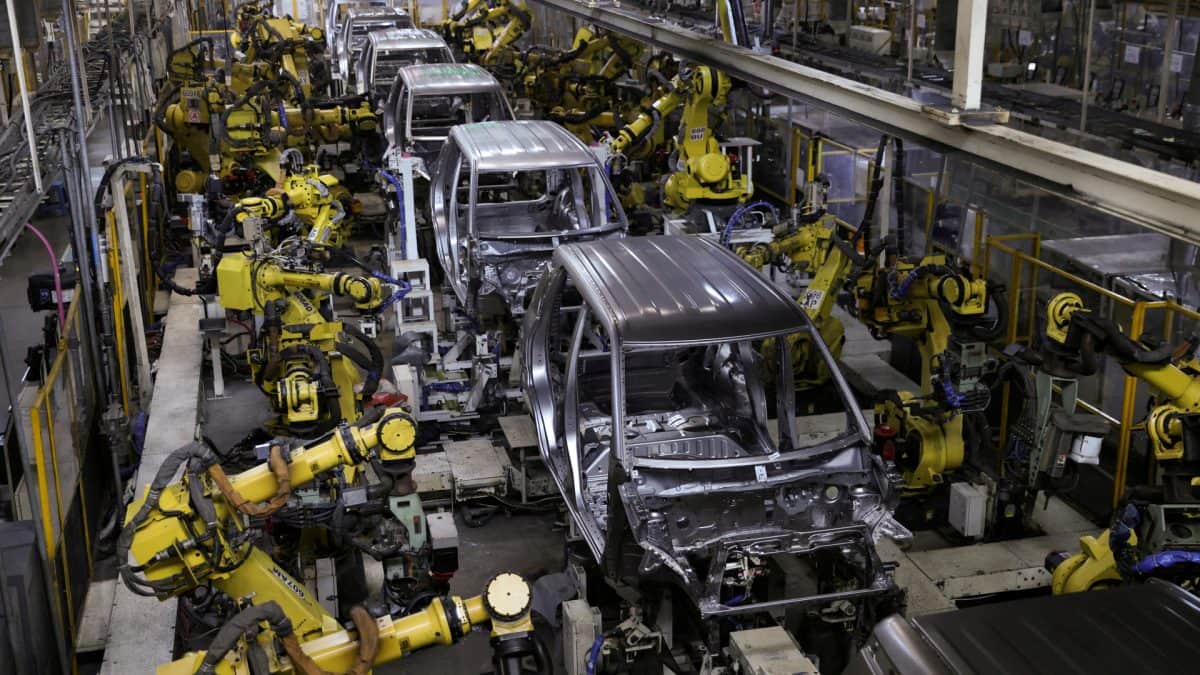
Maruti expects India's car market to hit 6.3 million units
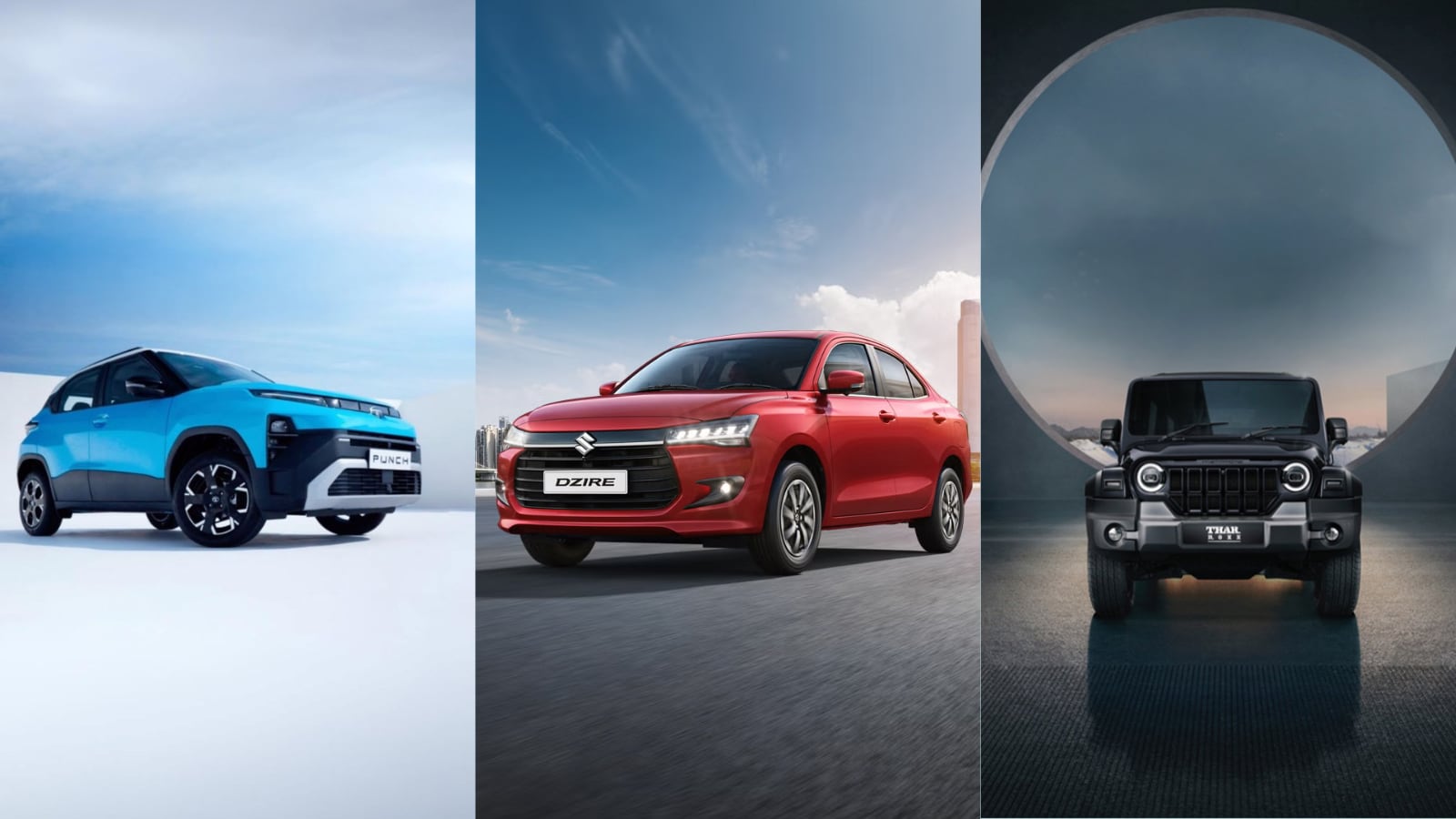
Car Sales Aug'26: Tata Leads Growth, Maruti Dominates Volume
Brokerages Favor Indian Auto Stocks as Truck Sales Surge

Auto stocks plunge despite strong August sales and demand outlook
Tata Motors Rises to No. 2 in India's PV Market

Indian Stocks in Focus After Key Corporate Announcements
