1 hr ago
Boeing 737 Max Survives Flydubai’s Rapid Descent
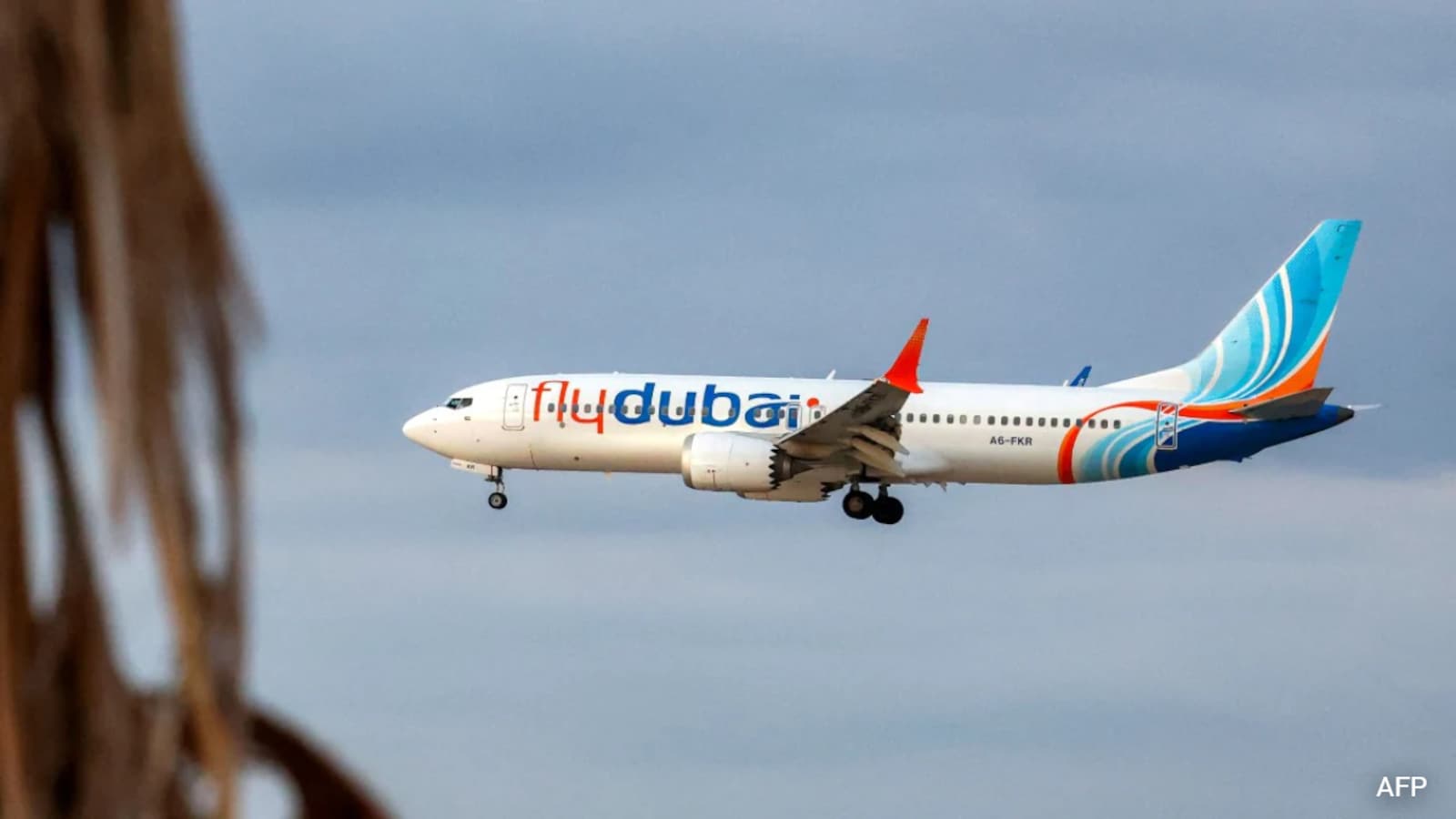
A Flydubai passenger plane went into a very steep dive during an attack in the cockpit.
The captain was injured but managed to open the cockpit door and call for help.
Passengers pulled the attacker away, and pilots who were traveling as passengers helped take control.
The plane later landed safely in Saudi Arabia.
FlightRadar24 data indicated it had been descending at more than 32,000 feet per minute.
Images online appeared to show damage to its rudder, but those images have not been verified.
A former test pilot said aircraft are tested for difficult situations, including a rudder that gets stuck.
Investigators are still working out exactly what happened and how the plane was able to land safely.

A Flydubai Boeing 737 Max descended at more than 32,000 feet per minute during an onboard attack, according to FlightRadar24.
Passengers intervened, and off-duty pilots took control as the aircraft’s injured captain sought help.
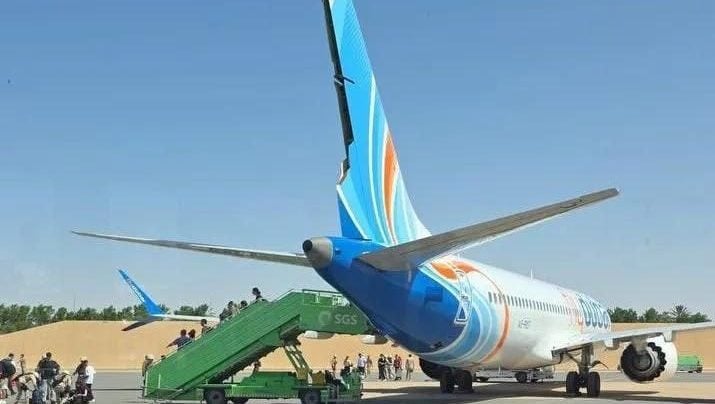
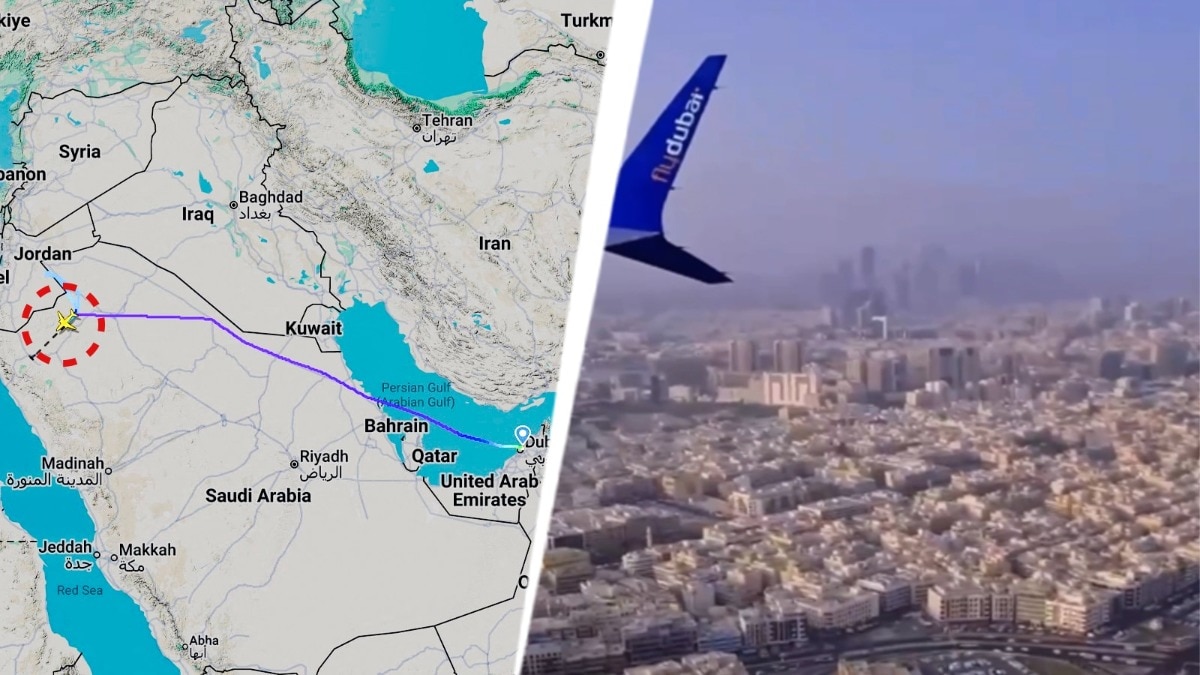
The aircraft landed in Tabuk, Saudi Arabia; social-media images said to show a damaged rudder have not been verified.
A former Boeing and FAA test pilot said certification tests include a jammed rudder, but not a rudder that is completely missing.
Investigators are still determining what happened, while experts cited aircraft safety measures and fortuitous circumstances as possible factors in the safe landing.
- Who
- Passengers, off-duty pilots, and the injured captain aboard a Flydubai Boeing 737 Max.
- What
- The aircraft underwent a rapid dive during an onboard attack and later landed safely.
- Where
- The aircraft landed in Tabuk, Saudi Arabia.
- When
- The articles do not provide a date for the incident.
- Why
- The aircraft began diving after the co-pilot attacked the captain; investigators are still determining the full circumstances.
Safety factors
Risks and uncertainty
Aircraft design and certification
Safety factors
A former test pilot said certification includes testing for a jammed rudder, and the aircraft is designed and tested for conditions beyond normal operations.
Risks and uncertainty
The pilot said certification does not require testing with the rudder completely missing, and loss of a flight-control surface can endanger everyone on board.
How to interpret the safe landing
Safety factors
The plane landed safely after passengers and off-duty pilots intervened, and aviation safety features may have helped.
Risks and uncertainty
The article cautions that a positive outcome can depend on luck and favorable circumstances; the investigation is ongoing and the alleged rudder damage is unverified.
Key facts
- Aircraft
- Boeing 737 Max
- Airline
- Flydubai
- Reported peak descent rate
- More than 32,000 feet per minute, according to FlightRadar24
- Reported maximum speed
- About 690 mph, according to preliminary FlightRadar24 data
- Normal maximum operating speed
- About 630 mph for a 737 Max 8, according to the article; it can vary with altitude and weather
- Landing location
- Tabuk, Saudi Arabia
- Investigation status
- Investigators are still working to determine the facts of the incident
Quotes
Smit Machchhar
FlyDubai captain injured in the incident.
“I've been a pilot for 17 years, I've been a captain for the past 11 years, I know what's happening in a flight even with my eyes closed. When I was on the ground, I realized that the aircraft is going down. And I told myself, 'This is the last push, Smit. The door is right there.'”
 NDTV
NDTV
“Why do you test out there? The answer is because of the potential for inadvertent exceedances of those limits.”
NDTV

US National Transportation Safety Board
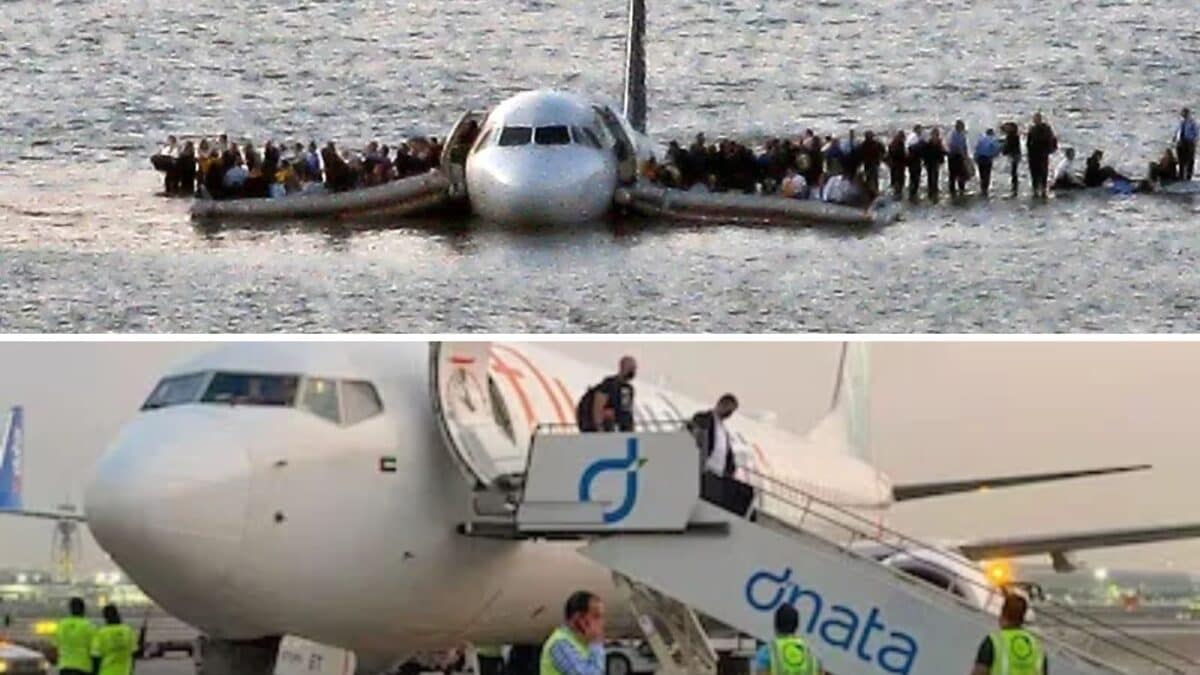
US agency that investigated the 2009 Hudson River ditching.
“However, the investigation revealed that the success of this ditching mostly resulted from a series of fortuitous circumstances.”
NDTV
Sources
Related news
Flydubai Boeing 737 MAX Survives Extreme Dive After Cockpit Attack
Flydubai Captain’s Courage Joins Aviation’s Greatest Emergency Landings
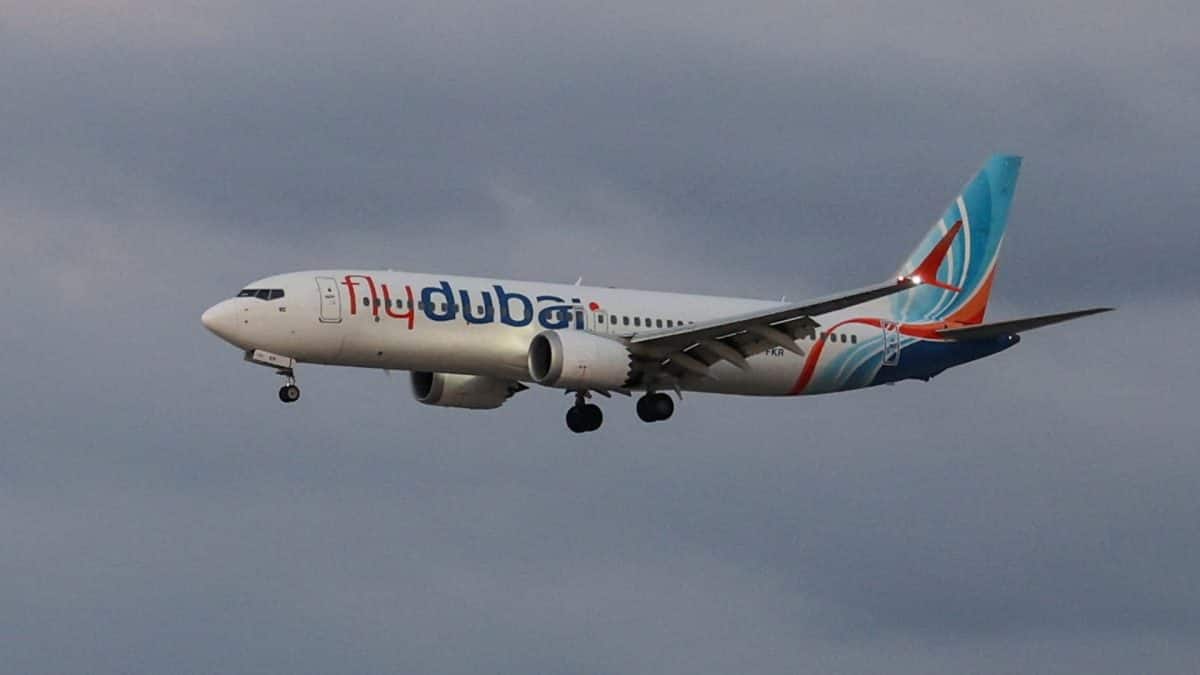
FlyDubai Flight Plunge Followed Alleged Cockpit Attack, Safe Saudi Landing
Flydubai Cockpit Incident Highlights Limits of Aircraft Automation
Flydubai FZ1073 Diverts Safely After Severe Altitude Changes, FZ1081 Scare

Passengers Avert Flydubai Crash Attempt, Plane Lands in Saudi Arabia

Gujarat’s ₹1,200-Crore Sabarmati Ashram Redevelopment Recasts Gandhi’s Legacy

Young Women March for Safety Amid Delhi Protest

Mica Expert Urges India to Build Domestic Industry
NCERT Sengol Claim Rekindles Debate Over 1947 Power Transfer