1 day ago
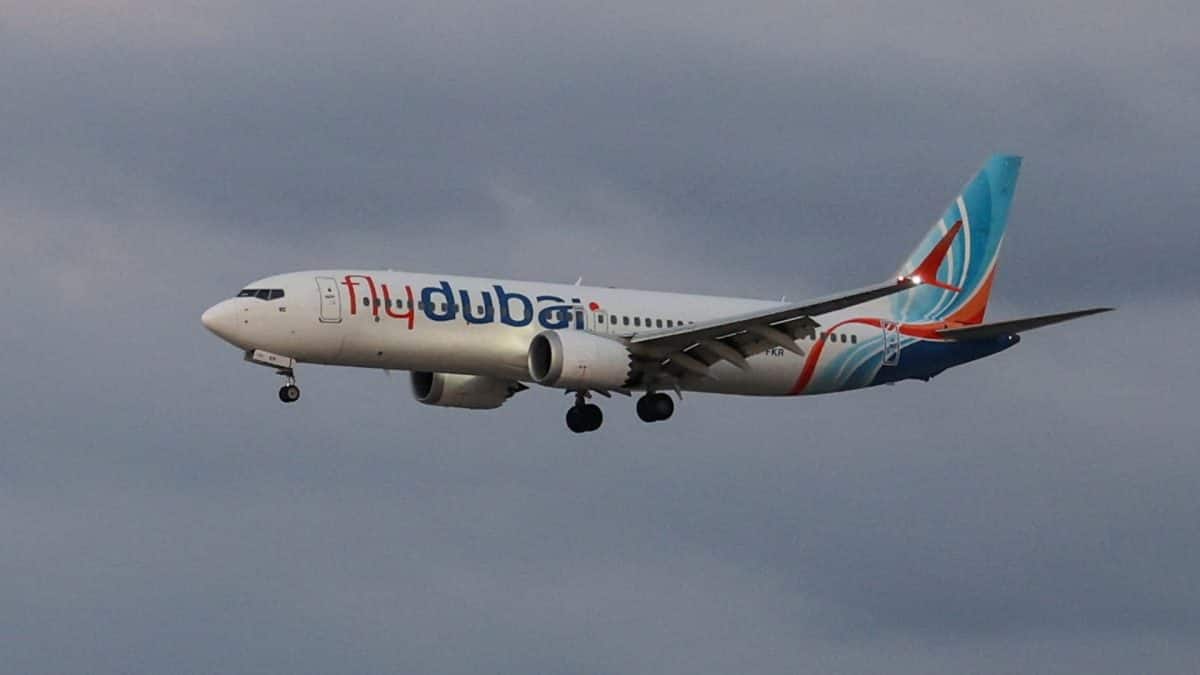
Flydubai Boeing 737 MAX Survives Extreme Dive After Cockpit Attack
A flydubai airplane suddenly went into a very steep dive.
The article says an Omani co-pilot allegedly interfered with the controls and attacked the captain.
The plane dropped more than 17,000 feet and moved much faster than it was supposed to.
Part of its tail rudder was damaged or torn away.
Even so, the airplane stayed together instead of breaking apart.
The pilots were able to regain control because there was still enough altitude.
They then made an emergency landing.
Experts called the outcome remarkable, especially because the Boeing 737 MAX had faced criticism after two earlier crashes.

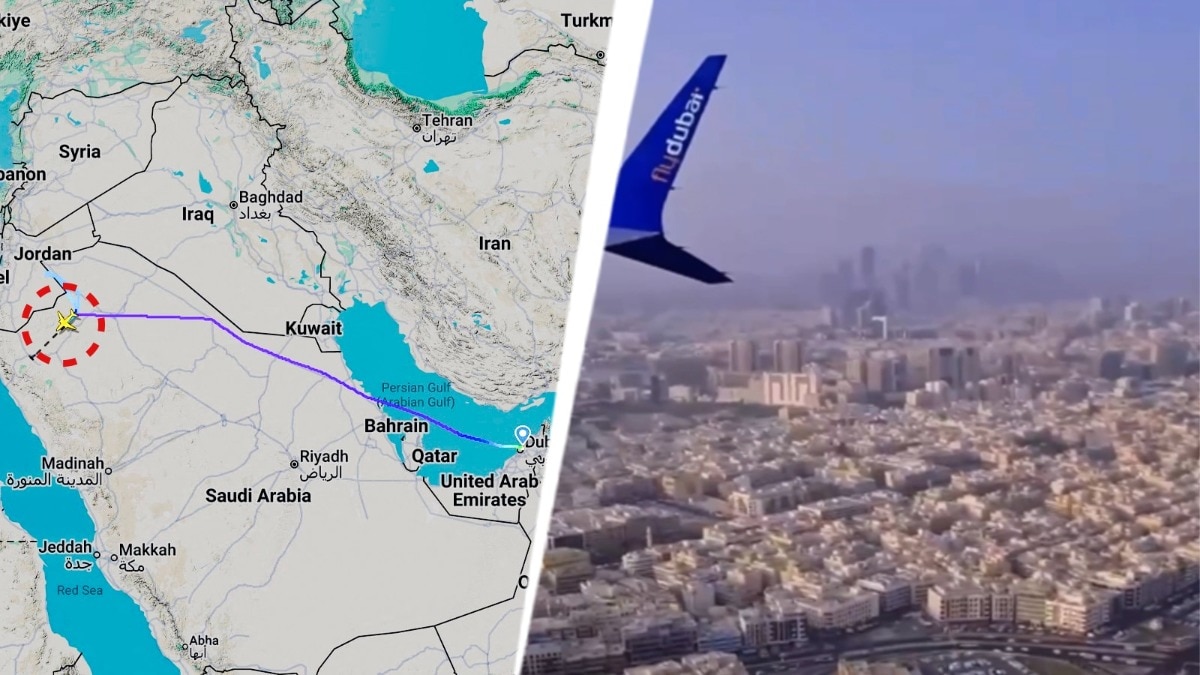
A flydubai Boeing 737 MAX carrying 180 people descended from 34,000 feet to below 17,000 feet in just over a minute.
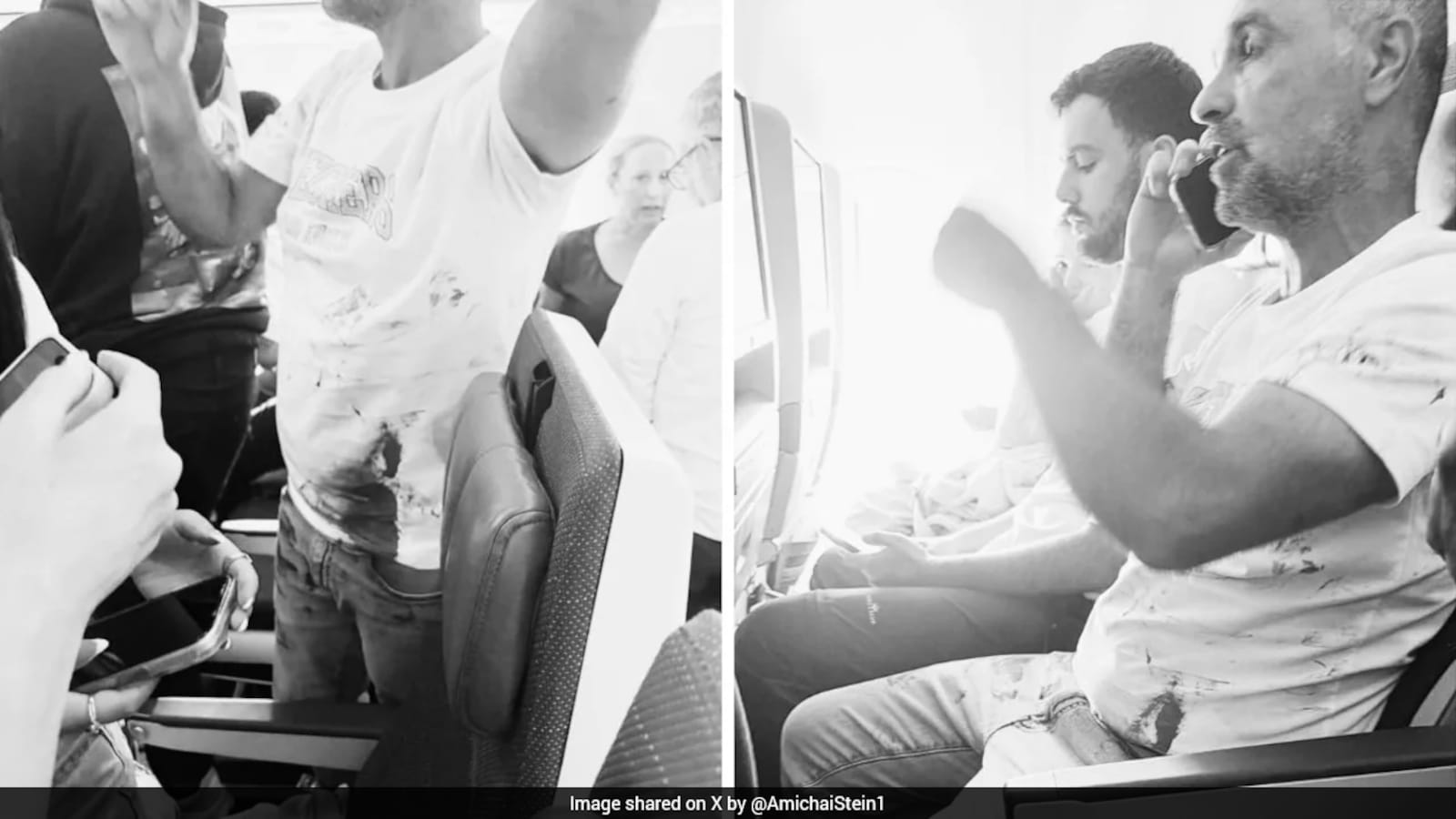
The alleged cockpit attack involved an Omani co-pilot reportedly disabling the autopilot, jamming controls and stabbing Indian Captain Smith Machchhar.
The aircraft exceeded operating limits, lost most of its rudder and sustained significant tail-section damage but did not break apart.
Experts said the remaining altitude gave the pilots enough time to recover, stabilize the aircraft and divert for a safe landing.
The incident renewed discussion of the 737 MAX’s earlier crashes while drawing praise from Donald Trump and aviation experts.
- Who
- A flydubai flight crew, including Captain Smith Machchhar, an unnamed Omani co-pilot and additional crew members; the flight carried 180 people.
- What
- A Boeing 737 MAX entered an extreme dive after an alleged cockpit attack, suffered major tail damage and later landed safely.
- Where
- When
- Wednesday, identified in the article as September 31.
- Why
- The article says the alleged co-pilot knocked off the autopilot and jammed the aircraft controls during the incident.
Praise for Aircraft Strength
Safety and Design Concerns
Ability to withstand the dive
Praise for Aircraft Strength
Pilots and aviation experts said the aircraft survived forces and speeds far beyond normal limits without breaking apart, calling the recovery remarkable or miraculous.
Safety and Design Concerns
The aircraft exceeded its maximum operating speed and calculated safety margins, suffered major rudder damage and came close to structural failure.
Importance of the 737 MAX’s record
Praise for Aircraft Strength
The successful survival was presented as evidence of the aircraft’s structural strength and prompted praise from Donald Trump and aviation professionals.
Safety and Design Concerns
The aircraft’s reputation remains affected by the 2018 and 2019 crashes, which led to a global grounding and scrutiny of its MCAS flight-control system.
Cause of the safe recovery
Praise for Aircraft Strength
Former investigators said the remaining altitude gave the pilots enough time to pull out of the dive, stabilize the aircraft and divert.
Safety and Design Concerns
The extreme descent and cockpit interference created a situation in which a safe landing was highly uncertain, particularly after the rudder was damaged.
Key facts
- Aircraft
- Boeing 737 MAX operated by flydubai
- Passengers and crew
- 180 people were aboard
- Descent
- From 34,000 feet to below 17,000 feet in a little over a minute
- Rate of descent
- Approximately 34,000 feet per minute
- Damage
- Most of the rudder was reportedly ripped off, with significant tail-section damage
- Outcome
- The aircraft remained intact and landed safely after recovery and diversion
- Flight-control context
- The rudder controls yaw, while elevators mainly control climbing and descending
- Historical context
- The 737 MAX was globally grounded after crashes in 2018 and 2019 linked in the article to uncommanded nose-down manoeuvres
Quotes
Jeff Guzzetti
Former NTSB and FAA accident investigator
“Congratulations to the GREAT Boeing Company for producing a plane, the 737 Max, that was able to withstand G Forces and Strain far beyond what it was designed and expected to do.”
 firstpost.com
“That was a serious descent and strong aerodynamic forces on that rudder for that to happen. I’m just amazed the aircraft didn’t come apart.”
firstpost.com
Sources
Related news
Flydubai Captain’s Courage Joins Aviation’s Greatest Emergency Landings
Flydubai Cockpit Incident Highlights Limits of Aircraft Automation
FlyDubai Flight Plunge Followed Alleged Cockpit Attack, Safe Saudi Landing
Flydubai FZ1073 Diverts Safely After Severe Altitude Changes, FZ1081 Scare
Flydubai FZ1073 Cockpit Crisis Ends in Safe Saudi Landing
Passengers Avert Flydubai Crash Attempt, Plane Lands in Saudi Arabia

Flydubai ranks 80th globally after midair attack draws scrutiny
FAA Says Boeing 737 Max Software Glitch Is Not Safety Concern

Ukraine Seeks US Sanctions on Russia’s Rassvet Satellite Network

NASA Announces New Missions For Boeing Starliner Spacecraft