2 hrs ago
Flydubai Cockpit Incident Highlights Limits of Aircraft Automation
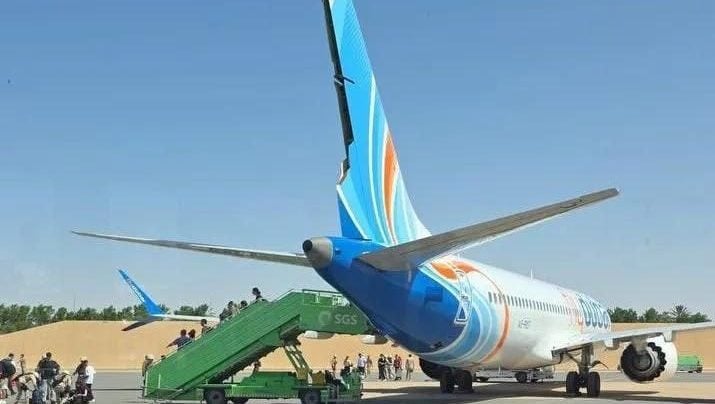
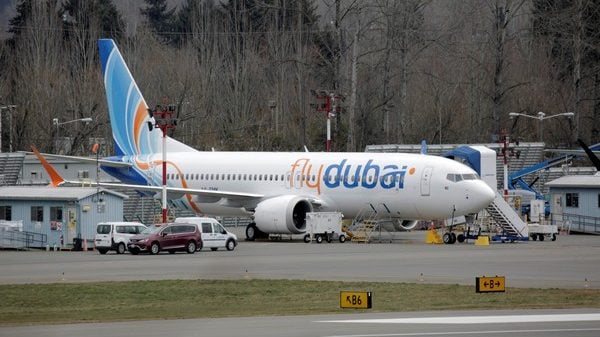
A flydubai airplane began losing altitude quickly after a fight in the cockpit.
An airplane does not automatically fall from the sky when pilots cannot work.
Its computer systems can help control direction, height and speed.
However, these systems follow instructions and cannot solve every unexpected problem.
The article does not establish whether the autopilot was turned on during the descent.
Other pilots who were travelling as passengers reportedly entered the cockpit and helped regain control.
The airplane had enough altitude for them to recover it before landing.
Investigators will use the flight recorders to learn exactly what happened.
The incident shows that computers and trained people work together to keep airplanes safe.

A fight in the cockpit was followed by a rapid loss of altitude on a flydubai flight.
The Boeing 737 eventually stabilised and landed safely in Saudi Arabia.
Off-duty flydubai pilots and other crew members reportedly entered the cockpit and took control.
Autopilot, navigation systems and autothrottle assist pilots but are not designed to handle every emergency independently.
Flight-data recorders are expected to clarify which automation modes were active and what caused the descent.
- Who
- A flydubai flight crew, off-duty flydubai pilots travelling as passengers, and other crew members were involved.
- What
- A cockpit fight was followed by a rapid descent; the aircraft was later stabilised and landed safely.
- Where
- The aircraft landed safely in Saudi Arabia.
- When
- Why
- The cause of the descent and the automation settings involved have not yet been established; investigators are expected to examine the flight recorders.
Automation Can Assist Recovery
Human Intervention Was Decisive
What kept the aircraft controllable?
Automation Can Assist Recovery
The aircraft’s autopilot, flight-management system and other automated protections may have helped maintain a defined flight path, depending on which systems were active.
Human Intervention Was Decisive
Automation is not an emergency parachute and cannot independently recognise or recover every rapid descent; trained people who entered the cockpit appear to have been crucial.
Could autopilot have stopped the descent?
Automation Can Assist Recovery
Autopilot can control pitch, roll and heading when operating in an appropriate selected mode and within its designed conditions.
Human Intervention Was Decisive
The article says it is not publicly established whether autopilot was engaged, and tracking data cannot show which modes or control inputs were active.
Key facts
- Aircraft
- Boeing 737
- Incident sequence
- A cockpit fight was followed by a rapid loss of altitude.
- Recovery
- The aircraft was stabilised and landed safely in Saudi Arabia.
- Reported altitude change
- The aircraft descended from around 33,000 to 17,000 feet.
- Human intervention
- Off-duty pilots and crew members reportedly entered the cockpit and helped take control.
- Automation
- The autopilot can control pitch, roll and heading according to the selected mode; the flight-management system provides navigation guidance, and autothrottle manages engine thrust.
- Investigation evidence
- The flight-data recorder should provide information about control inputs and active automation modes.
Sources
Related news
Flydubai Incident Shows How One Pilot Can Land Boeing 737
FlyDubai Flight Plunged After Cockpit Attack, Landed Safely

Israeli Passenger Helps Save Flydubai Flight During Cockpit Attack

Indian Captain Stabilizes Flydubai Flight After Cockpit Stabbing
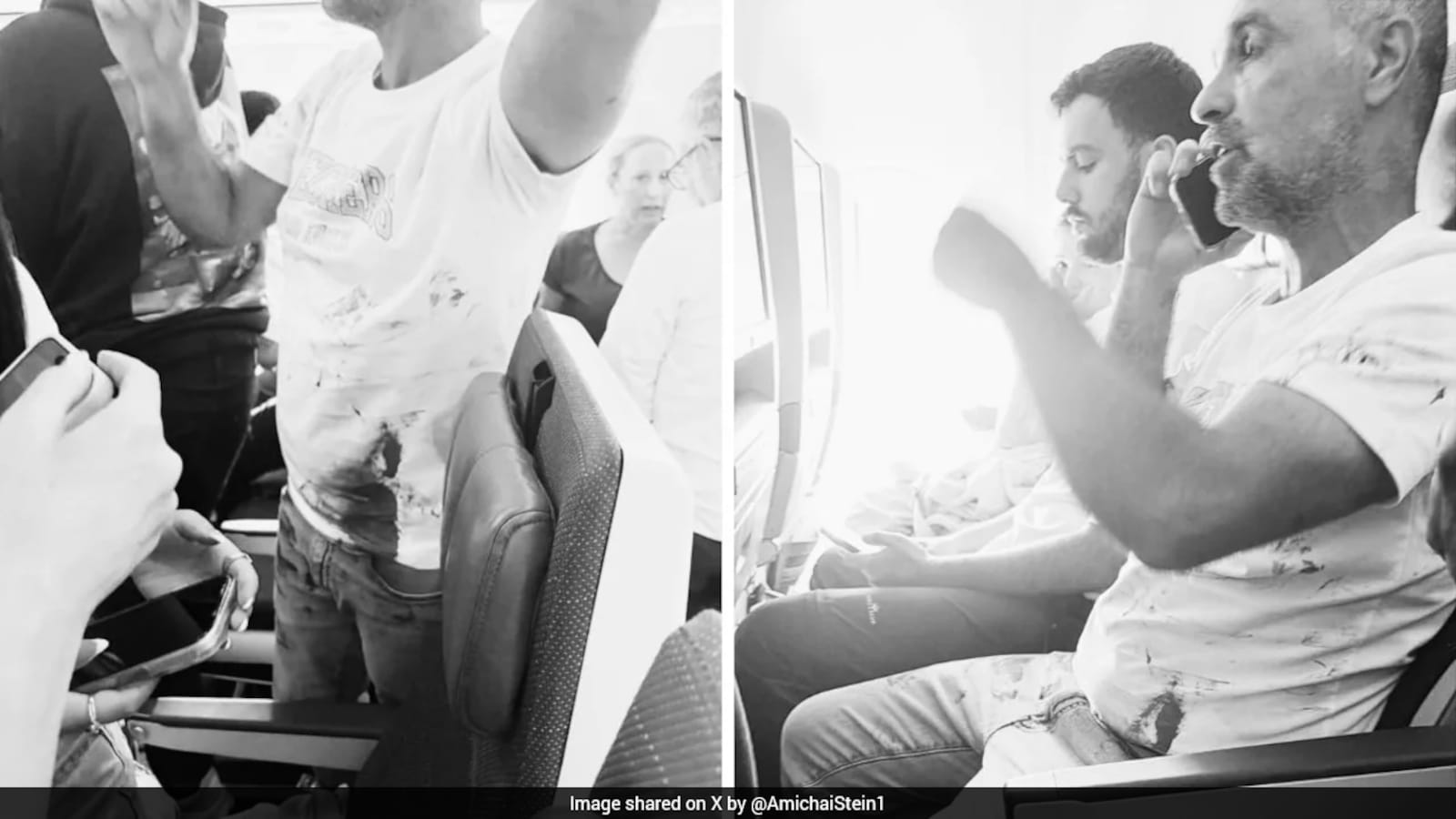
Passengers Avert Flydubai Crash Attempt, Plane Lands in Saudi Arabia
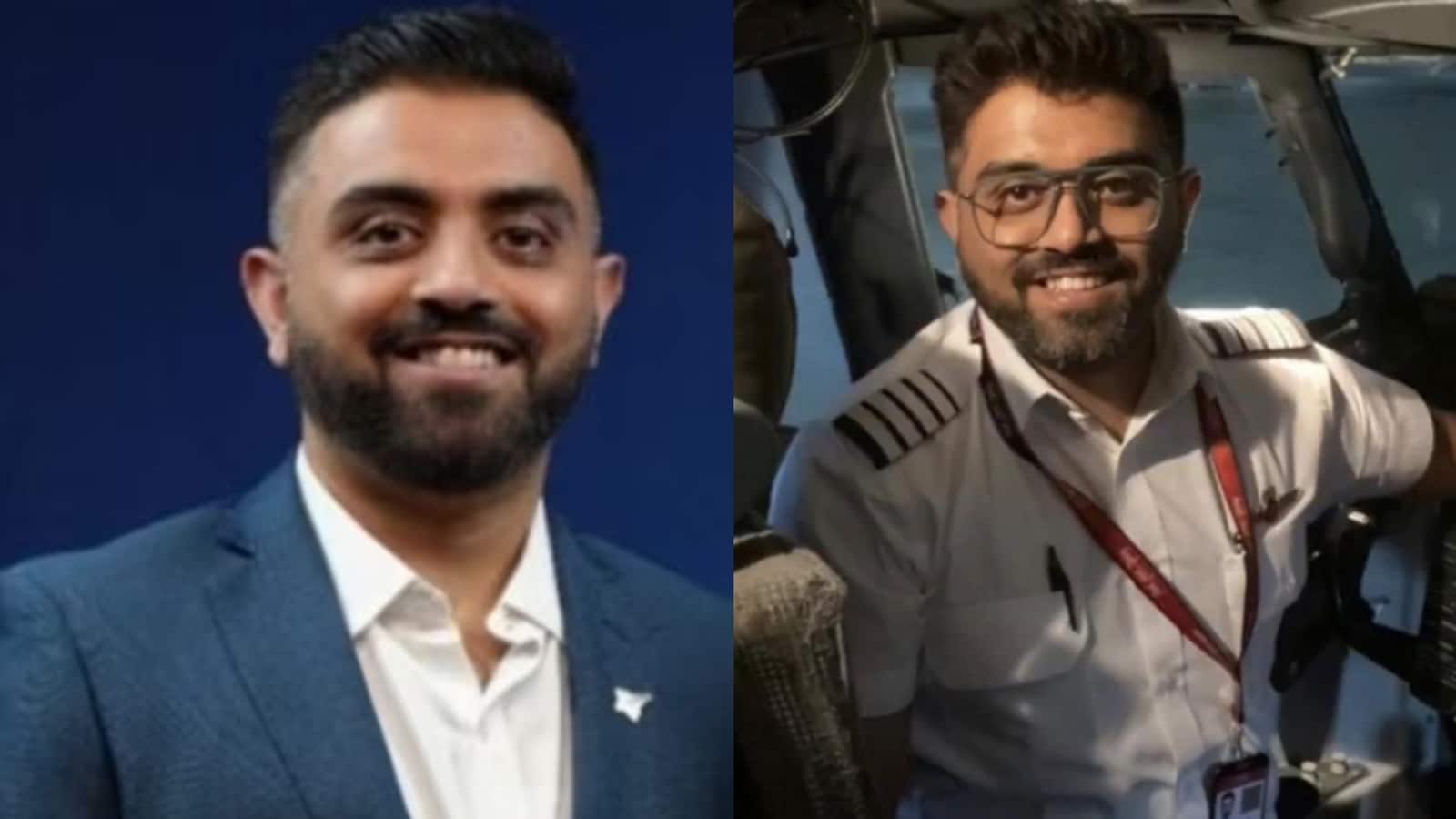
Former SpiceJet Captain At Center Of Flydubai Emergency
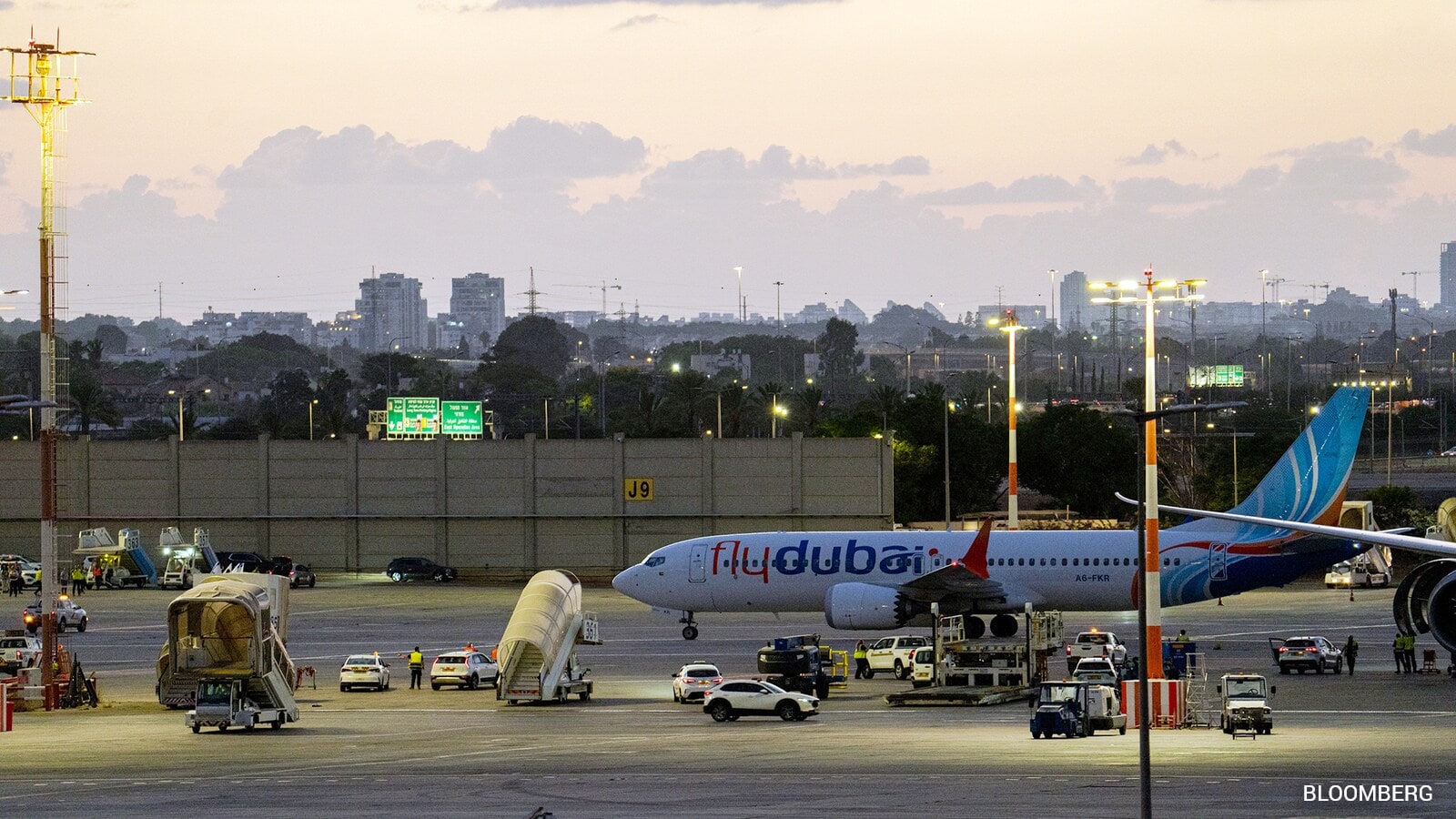
Flydubai Scare Revives Debate Over Cockpit Video Recorders
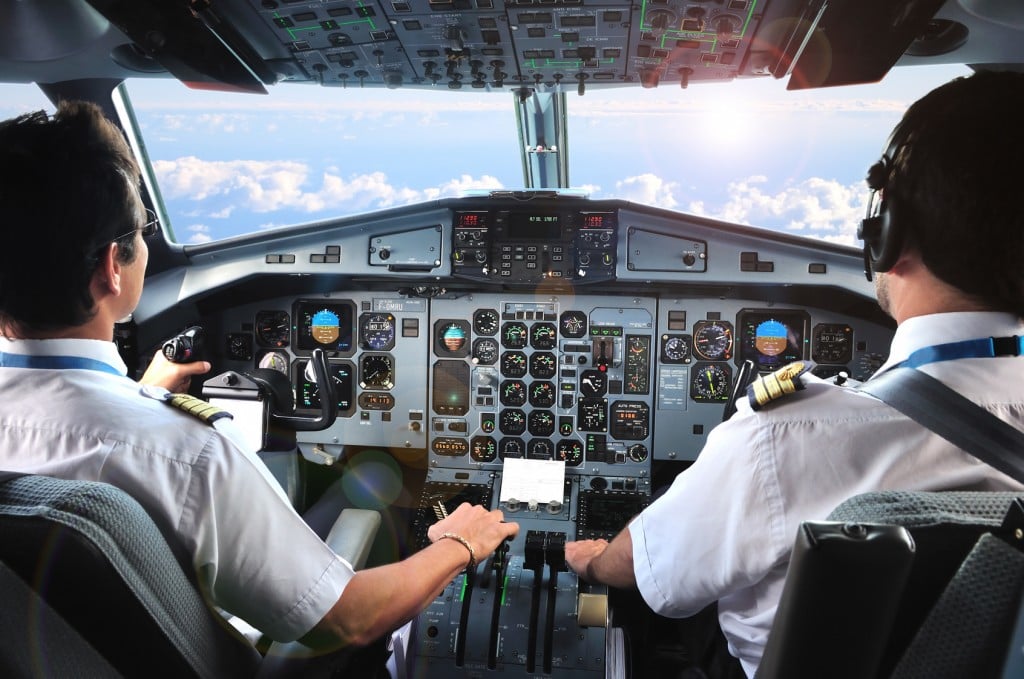
Flydubai Incident Shows Who Controls the Cockpit Door
Flydubai Flight Diverted After Emergency Hijack Code Alert