1 day ago
Parliament Panel Delays Supreme Court Visit Over Election Bills
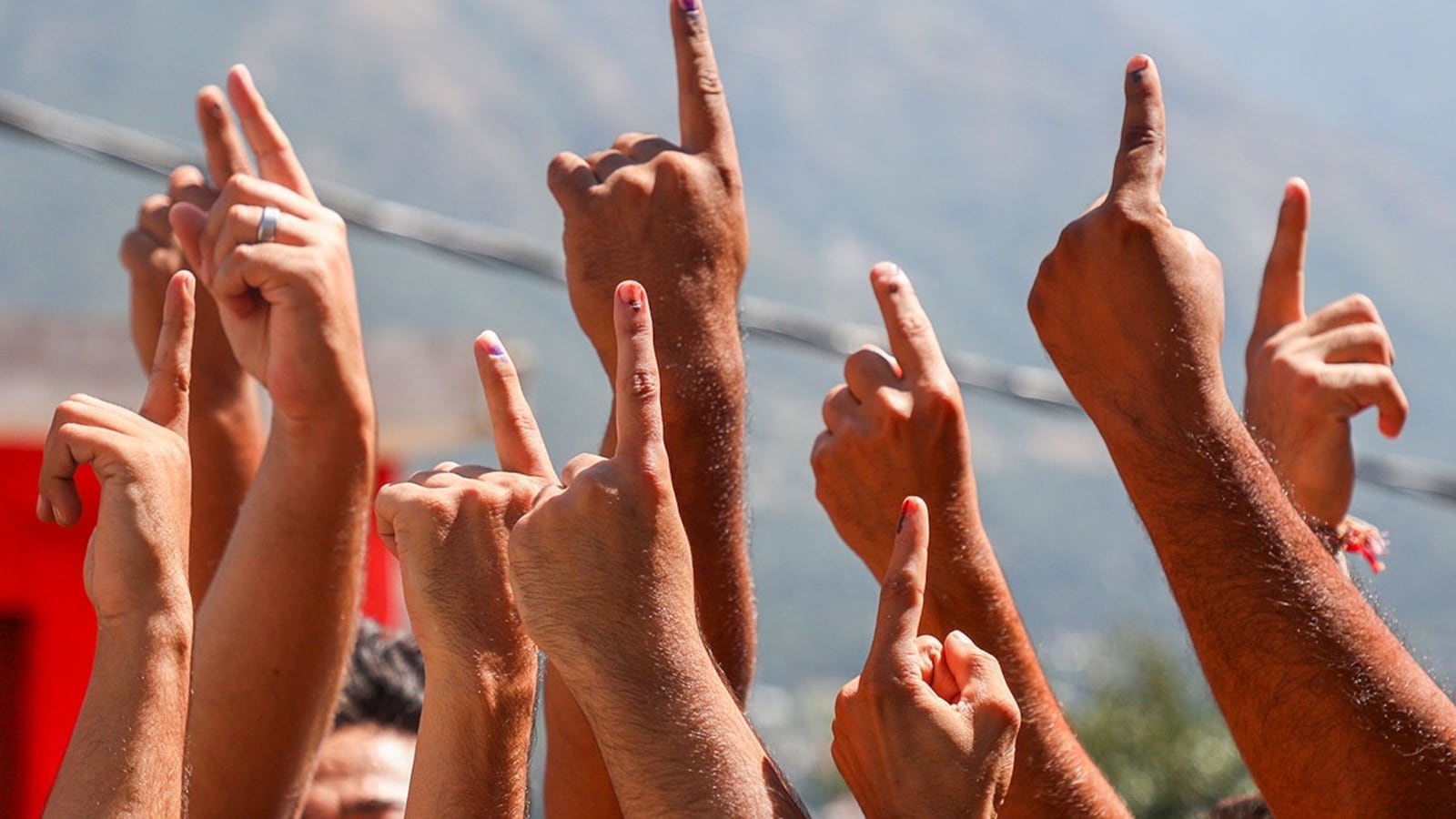
A parliamentary committee is studying a plan for holding national and state elections at the same time.
The committee had planned to visit the Supreme Court on October 6.
It wanted an informal discussion with the Chief Justice and other judges.
Committee chairman P P Chaudhary said the visit was postponed because members’ schedules did not match.
Kapil Sibal objected to the planned meeting.
He said Parliament should make laws, while courts should later decide whether those laws follow the Constitution.
Another committee member reportedly raised a similar concern.
Earlier committees had met judges about running the courts, but not about whether a proposed law was valid.

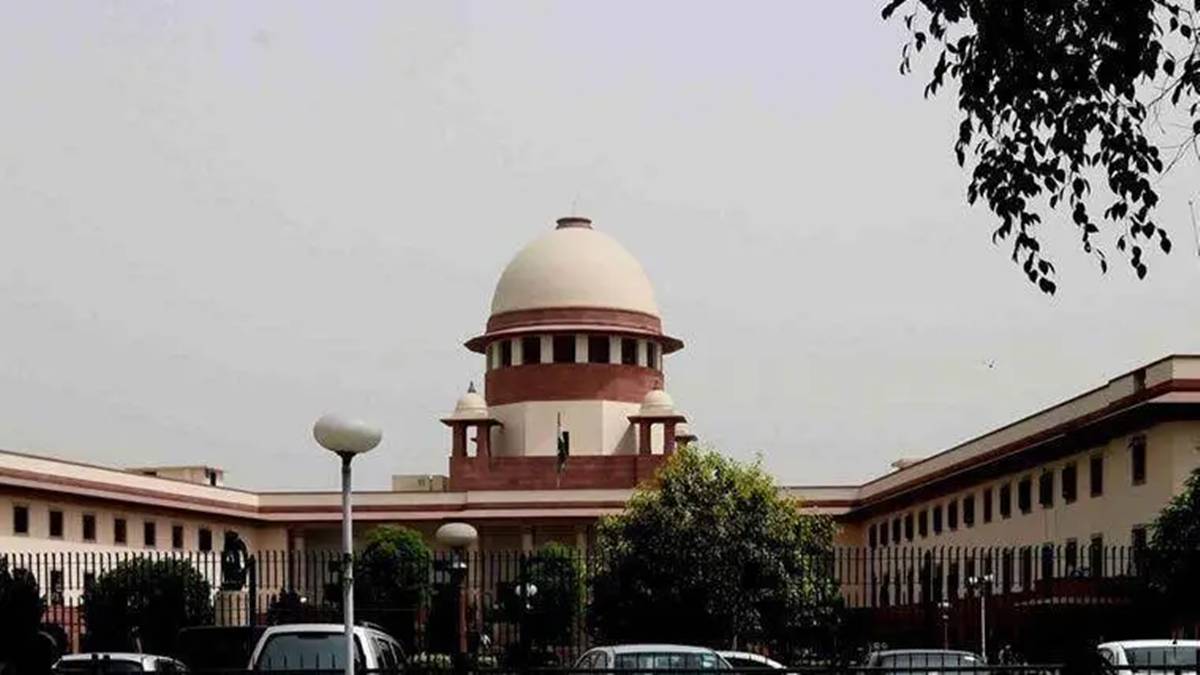
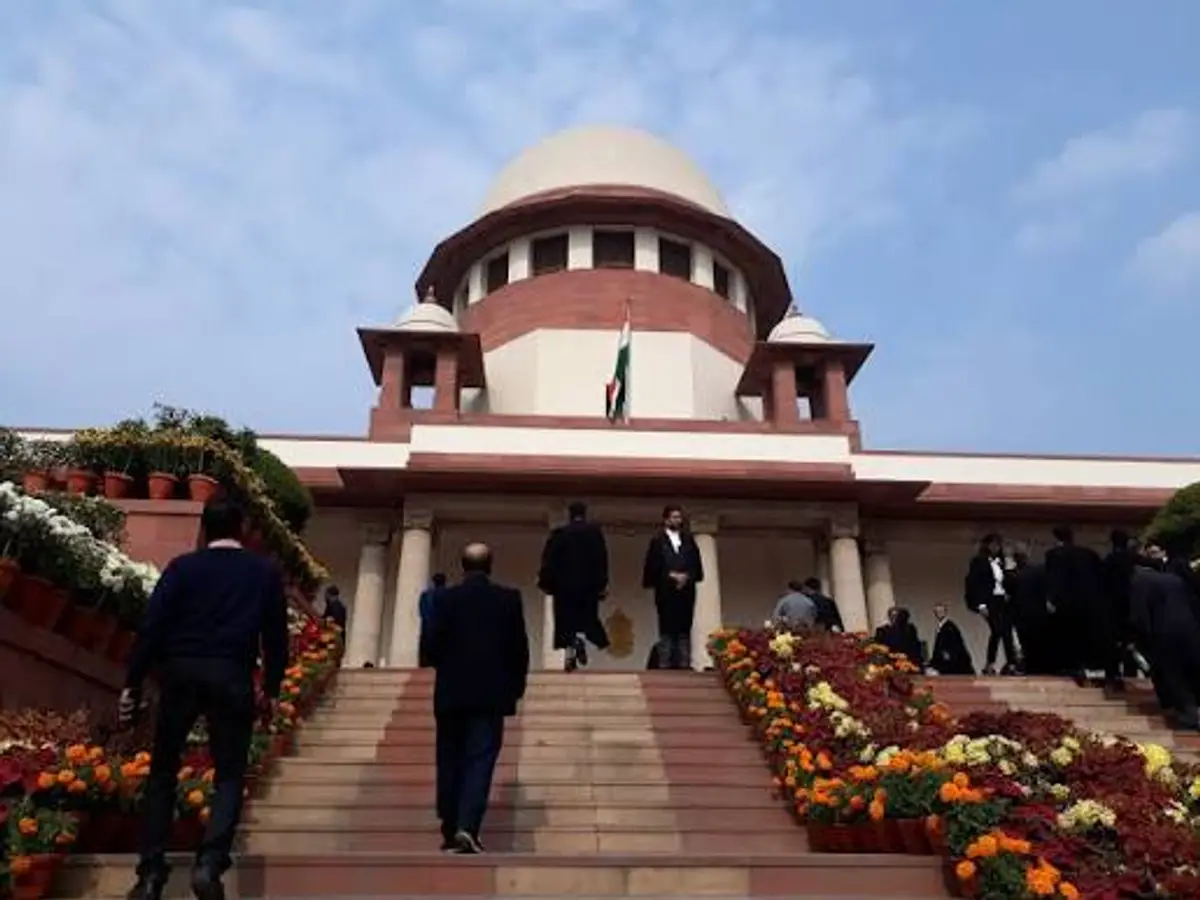
The joint parliamentary committee postponed its planned October 6 visit to the Supreme Court.
Chairman P P Chaudhary attributed the delay to scheduling conflicts and other commitments.
Kapil Sibal and another Opposition member objected to discussing the bills with sitting judges.
Sibal called the proposed interaction unconstitutional and contrary to separation of powers.
Earlier parliamentary panels had met Supreme Court judges on judicial administration, not pending legislation.
- Who
- The P P Chaudhary-led joint parliamentary committee, Kapil Sibal, and an Opposition member who reportedly sought cancellation of the visit.
- What
- The committee postponed a planned Supreme Court interaction with judges about bills proposing simultaneous elections.
- Where
- The proposed interaction was to take place at the Supreme Court in New Delhi.
- When
- The visit was planned for October 6; the postponement and objections were reported on Thursday, October 1.
- Why
- Chaudhary cited scheduling conflicts and other commitments, while opponents raised concerns that discussing the bills with sitting judges could blur the roles of Parliament and the judiciary.
Concerns over judicial interaction
Committee’s reported study plan
Separation of powers
Concerns over judicial interaction
Kapil Sibal and another reported Opposition member argued that Parliament should consider and make laws, while the judiciary should decide their constitutional validity if challenged. They said briefing sitting judges about legislation that could later reach the Supreme Court could create institutional overlap.
Committee’s reported study plan
The committee’s circulated programme reportedly included an informal discussion with the Chief Justice of India and other judges on simultaneous elections. The articles do not report a substantive response from the committee defending the proposed interaction.
Whether such meetings are unprecedented
Concerns over judicial interaction
Sibal said he had never seen a parliamentary group meet Supreme Court judges to explain proposed legislation during his legal career.
Committee’s reported study plan
The report notes that parliamentary panels met sitting judges in 2022 and 2023, including Chief Justices U U Lalit and D Y Chandrachud, about e-courts, legal aid, and judicial administration. Those meetings did not concern the merits or constitutional validity of pending legislation.
Key facts
- Committee chairman
- P P Chaudhary
- Proposed visit
- A local study visit to the Supreme Court, scheduled for October 6
- Status
- Postponed because committee members’ dates did not match
- Objector
- Independent Rajya Sabha member Kapil Sibal
- Proposed discussion
- An informal interaction with the Chief Justice of India and other judges
- Legislation examined
- The Constitution (One Hundred and Twenty-Ninth Amendment) Bill, 2024, and the Union Territories Laws (Amendment) Bill, 2024
- Purpose of bills
- To provide a framework for simultaneous elections to the Lok Sabha and state legislative assemblies
Quotes
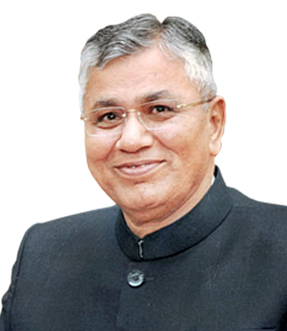
P P Chaudhary
Chairman of the parliamentary joint committee examining the One Nation, One Election bills
“I have never seen that a parliamentary group has a meeting in the Supreme Court to tell the judges what the law is. I have never seen such an example in my entire legal career.”
 theprint.in
“This is unconstitutional and contrary to the concept of separation of powers.”
theprint.in
Sources

Related news

Supreme Court Cancels Parliament Panel Meeting on Simultaneous Elections
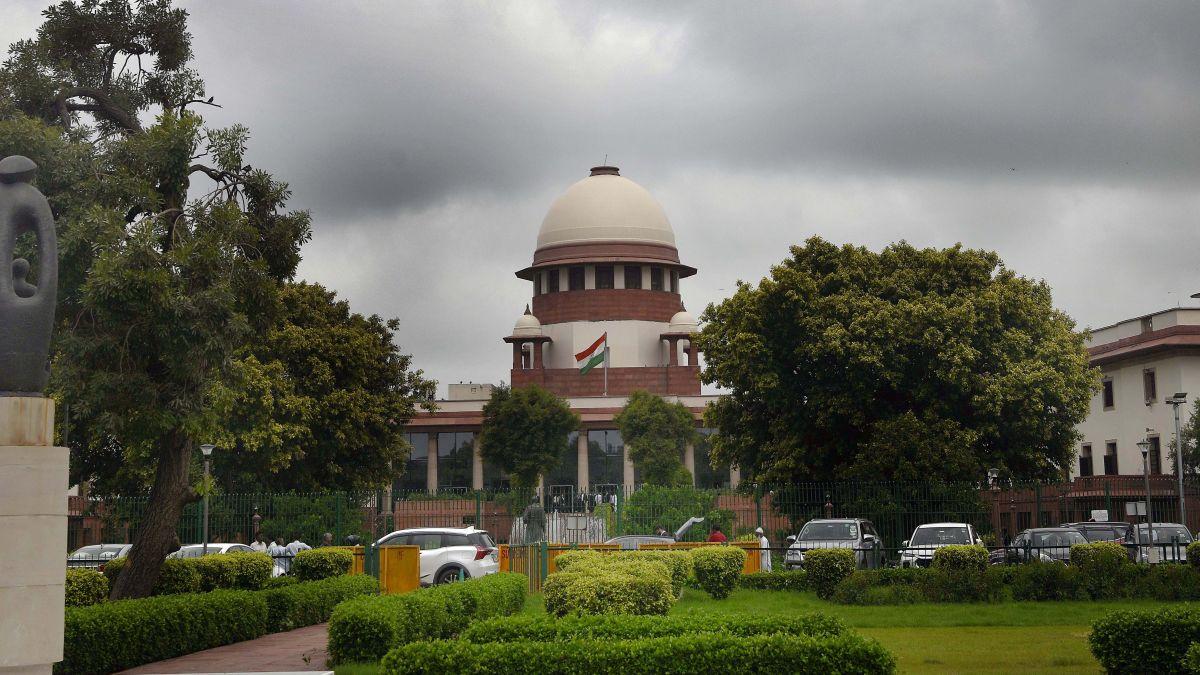
Supreme Court Declines One Nation, One Election JPC Meeting
Supreme Court to Hear Plea on ECI Decision-Making
Supreme Court to Hear Challenge to CEC’s ECI Functioning
Supreme Court to Examine CEC’s Individual Powers Monday
Questions over Justice Sharma’s son serving as ECI counsel
Supreme Court Rejects Presumption Cattle Transport Means Slaughter

Centre Resumes Appraisal of Post-Facto Green Clearance Cases
Karnataka BJP seeks FIRs over CM’s electoral office protest

Curative plea seeks recall of split verdict on election appointments