1 hr ago
Questions over judge’s son serving as ECI counsel amid cases
A news report raised questions about a judge’s family connection to the Election Commission.
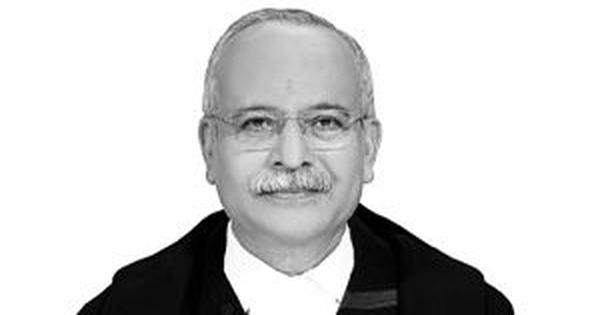
The judge is Justice Satish Chandra Sharma of the Supreme Court.
His son represents the Election Commission in a different court.
Justice Sharma recently heard some cases involving the Election Commission.
One case challenged a law about choosing election commissioners.
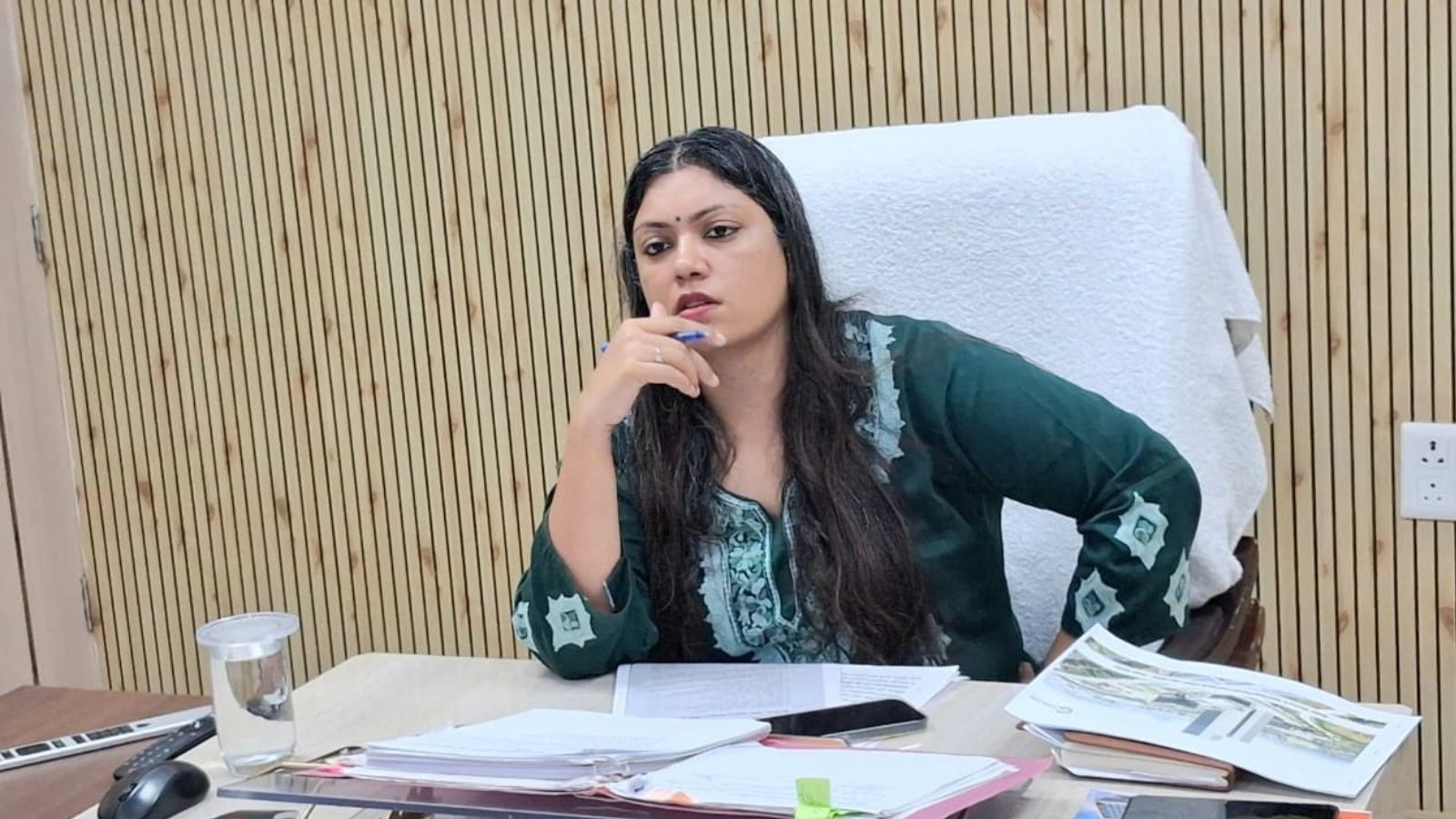
Another case was brought by Medha Roopam, whose father is the Chief Election Commissioner.
The report asked whether these connections should have led to disclosure or other steps.
However, no court has found that Justice Sharma acted improperly or was biased.
The Election Commission and Justice Sharma had not publicly responded to the specific concerns when the report was published.

Justice Satish Chandra Sharma’s son is standing counsel for the Election Commission of India in the Madhya Pradesh High Court.
Justice Sharma recently heard cases involving the Election Commission, including challenges to the 2023 appointments law.
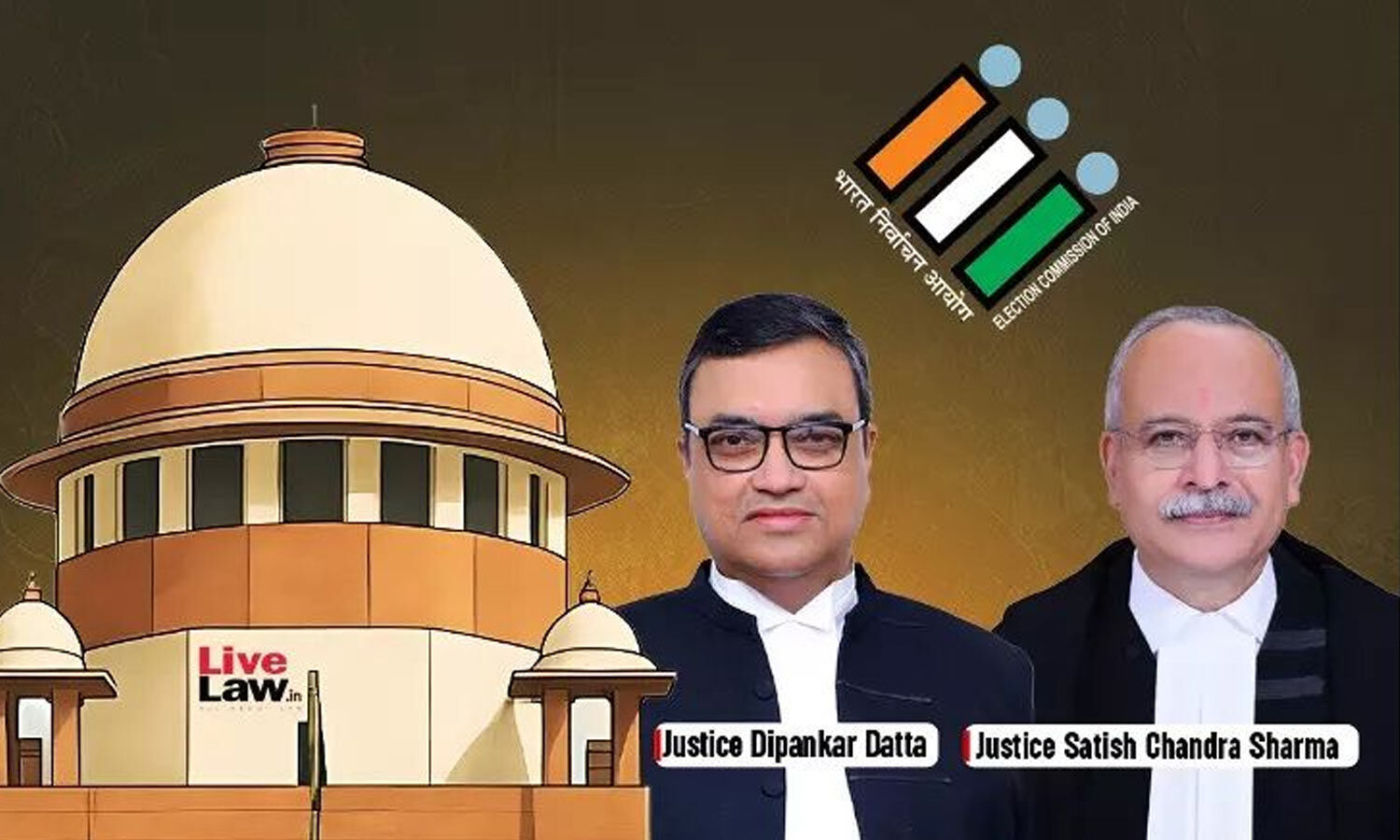
Justice Sharma favored a larger Constitution Bench, while Justice Dipankar Datta took a different view.
Justice Sharma also heard a petition by Gautam Buddh Nagar District Magistrate Medha Roopam, daughter of Chief Election Commissioner Gyanesh Kumar.
The concerns relate to judicial propriety; no court finding has established misconduct, bias, or a conflict of interest.
- Who
- Supreme Court Justice Satish Chandra Sharma, his son, the Election Commission of India, Justice Dipankar Datta, and Medha Roopam are central to the report.
- What
- Questions were raised about judicial propriety because Justice Sharma heard Election Commission-related matters while his son represented the Commission in the Madhya Pradesh High Court.
- Where
- The matters involved the Supreme Court, the Madhya Pradesh High Court, and the Allahabad High Court.
- When
- The concerns were reported by LiveLaw on Friday; Justice Sharma and Justice Datta issued separate opinions on September 23.
- Why
- The report highlighted Justice Sharma’s family connection to the Election Commission and his hearing of cases involving the Commission and its Chief Election Commissioner’s daughter.
Propriety concerns
No established wrongdoing
Family connection and case assignments
Propriety concerns
The LiveLaw report said the judge’s son representing the Election Commission raises questions about disclosure, recusal, and the listing of related matters before Justice Sharma’s bench.
No established wrongdoing
The family relationship alone does not establish a conflict in every case involving the Election Commission, and no court has found that Justice Sharma acted improperly.
Cases involving election authorities
Propriety concerns
Justice Sharma heard a challenge to the 2023 election appointments law and a petition by Medha Roopam, whose father is the Chief Election Commissioner.
No established wrongdoing
The report’s concerns remain questions of judicial and professional propriety rather than findings of bias, misconduct, or a legal conflict.
Key facts
- Judge
- Justice Satish Chandra Sharma of the Supreme Court
- Family connection
- Justice Sharma’s son is standing counsel for the Election Commission of India in the Madhya Pradesh High Court
- Election law case
- Justice Sharma heard challenges to the Chief Election Commissioner and Other Election Commissioners (Appointment, Conditions of Service and Term of Office) Act, 2023
- Separate opinions
- Justice Sharma favored a larger Constitution Bench, while Justice Dipankar Datta took a different view
- Other petitioner
- Medha Roopam, Gautam Buddh Nagar’s district magistrate, is the daughter of Chief Election Commissioner Gyanesh Kumar
- Status of concerns
- No Supreme Court finding has established misconduct, bias, or improper conduct by Justice Sharma
- Public response
- The Election Commission and Justice Sharma had not publicly commented on the specific concerns when the report was published
Quotes
Justice Dipankar Datta
Supreme Court judge who expressed concern about the independence of the Election Commission appointment process.
“does not appear to ensure an independent selection process”
 scroll.in
“Judiciary is protector – cannot be predator.”
scroll.in
Sources
Related news
Supreme Court Split Over CEC Appointment Larger Bench
Supreme Court Split Over Election Commissioner Appointment Law Reference
Why India’s 2023 Election Commissioner Law Faces Supreme Court Review
Supreme Court Judges Split Over Election Commission Appointment Law
Supreme Court Splits Over Larger Bench for Election Law
Supreme Court Splits Over Larger Bench For CEC Law

Supreme Court stays penalties against Noida officials in NSA case

Questions Over Noida DM Case Listing Before Junior Bench

Supreme Court Revises Stay on Activist’s NSA Detention Ruling
Noida Protest Case Pits State Conspiracy Claims Against Families