

18 hrs ago
Before Buying an EV, Check Your Home's Electrical Load
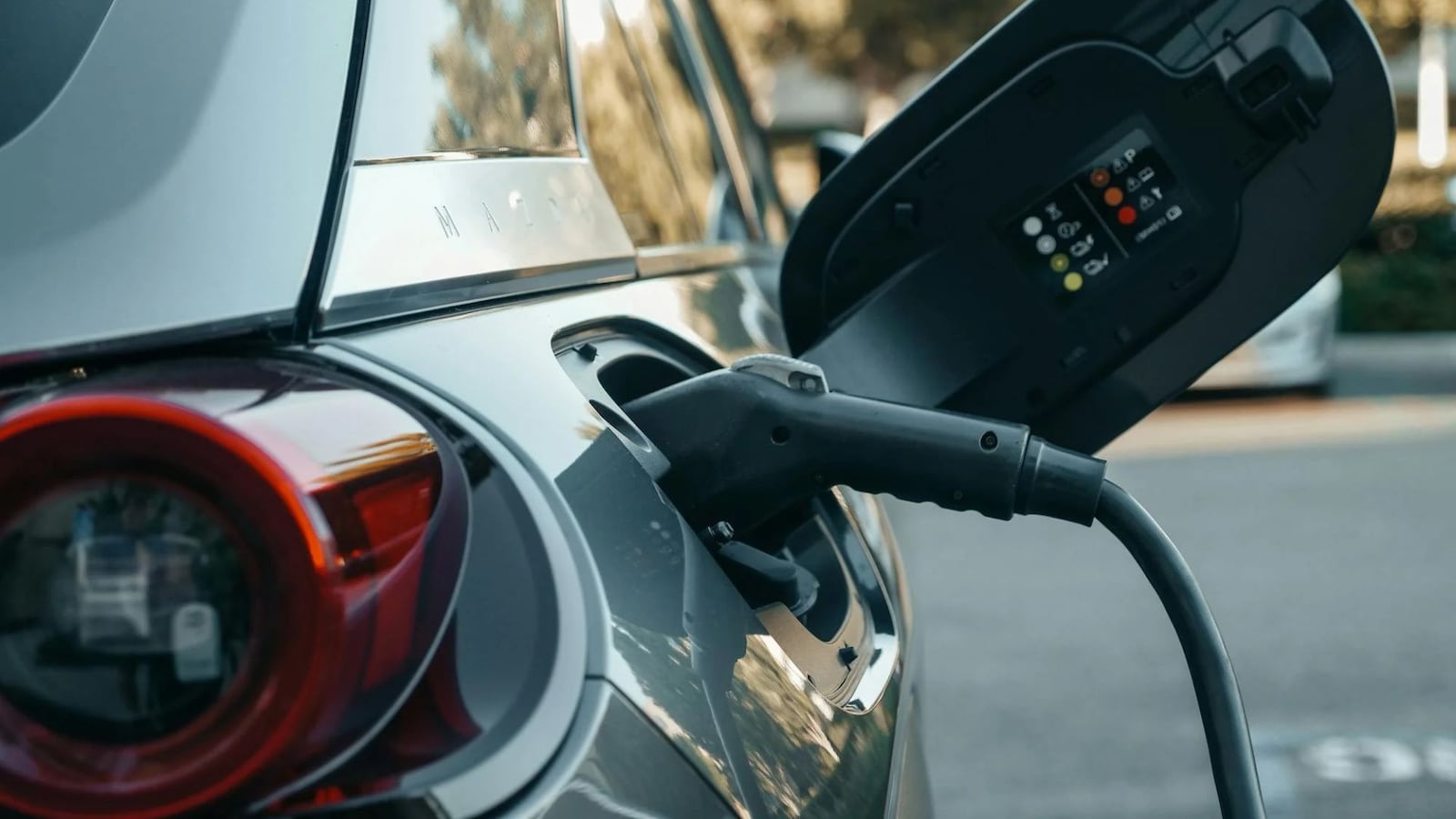
An electric car needs a lot of electricity to charge.
A home may not have enough electrical power for the car and its other appliances at the same time.
This can be especially difficult in apartment buildings.
Several cars charging together could put too much pressure on the building’s transformer.
Before buying an EV, owners should check their home’s sanctioned load.
Apartment residents should also ask their housing society about transformer capacity and parking connections.
The charger should use safe, dedicated wiring and protection devices.
A trained professional should install it.
Smart charging can spread charging times out so everyone does not use maximum power at once.

Many homes have a sanctioned load of about 3–4 kW, while an EV charger may require an additional 7.5 kW or more.
Faster chargers can require as much as 22 kW, potentially exceeding a household’s original electrical capacity.
Apartment residents should check their society’s transformer capacity, parking connections, dedicated-meter options and approval requirements.
Multiple cars charging simultaneously could overload transformers designed for existing demands such as lifts, pumps, air conditioners and appliances.
Dedicated wiring, electrical protections, certified chargers and smart or staggered charging can improve safety and manage demand.
- Who
- People buying or owning electric vehicles, especially apartment residents, housing societies and their facility managers.
- What
- Home EV charging may require electrical-load upgrades, society approvals, dedicated connections and infrastructure checks.
- Where
- Independent houses and apartment buildings, including their parking areas, wiring systems and transformers.
- When
- Before buying an EV and before installing its charger; charging capacity must also be managed as ownership grows.
- Why
- EV chargers can draw substantially more power than ordinary household appliances, and multiple simultaneous chargers may exceed available building capacity.
Key facts
- Typical sanctioned household load
- About 3–4 kW
- Additional load for overnight charging
- At least 7.5 kW for charging over eight to 10 hours
- Maximum faster-charger requirement mentioned
- As much as 22 kW
- Key apartment concern
- Whether the housing society’s transformer has enough spare capacity
- Possible infrastructure needs
- Additional wiring, load upgrades, separate meters, society approvals or other upgrades
- Recommended safety measures
- Dedicated wiring, MCB and RCCB protection, a separate or segregated connection, and qualified installation
- Demand-management option
- Smart or staggered charging to avoid simultaneous maximum-power use
Quotes
Hari Krishna
Founder and CEO of Green Drive Mobility
“EV owners shouldn't be afraid of charging at home, but they do need to understand that an EV is a very different kind of load from anything else in the house.”
 NDTV
NDTV
“Installing a charger is easy, but making changes to the electrical network underneath may cost more and take more time”
NDTV
Sources
Related news

EV Growth Stymied by Insufficient Charging Infrastructure in North Andhra

Eternal Reconsiders 2030 Target for Fully Electric Deliveries

Bhiwandi Power Bills to Rise with New Fuel Adjustment Charges

Delhi MLA urges Green Budget funds for EV charging points

Denmark Delegation Discusses Future Power Grid Development in Amaravati

What to Know Before Switching to an Electric Scooter
Viral EV Battery Repair Video Sparks Praise And Safety Concerns

Monsoon car insurance: essential covers and add-ons for EV owners
Electric Vehicle Sales Surge in South America

India's Auto Component Sector Undergoes Major Transformation
