9 months ago
India's Auto Component Sector Undergoes Major Transformation
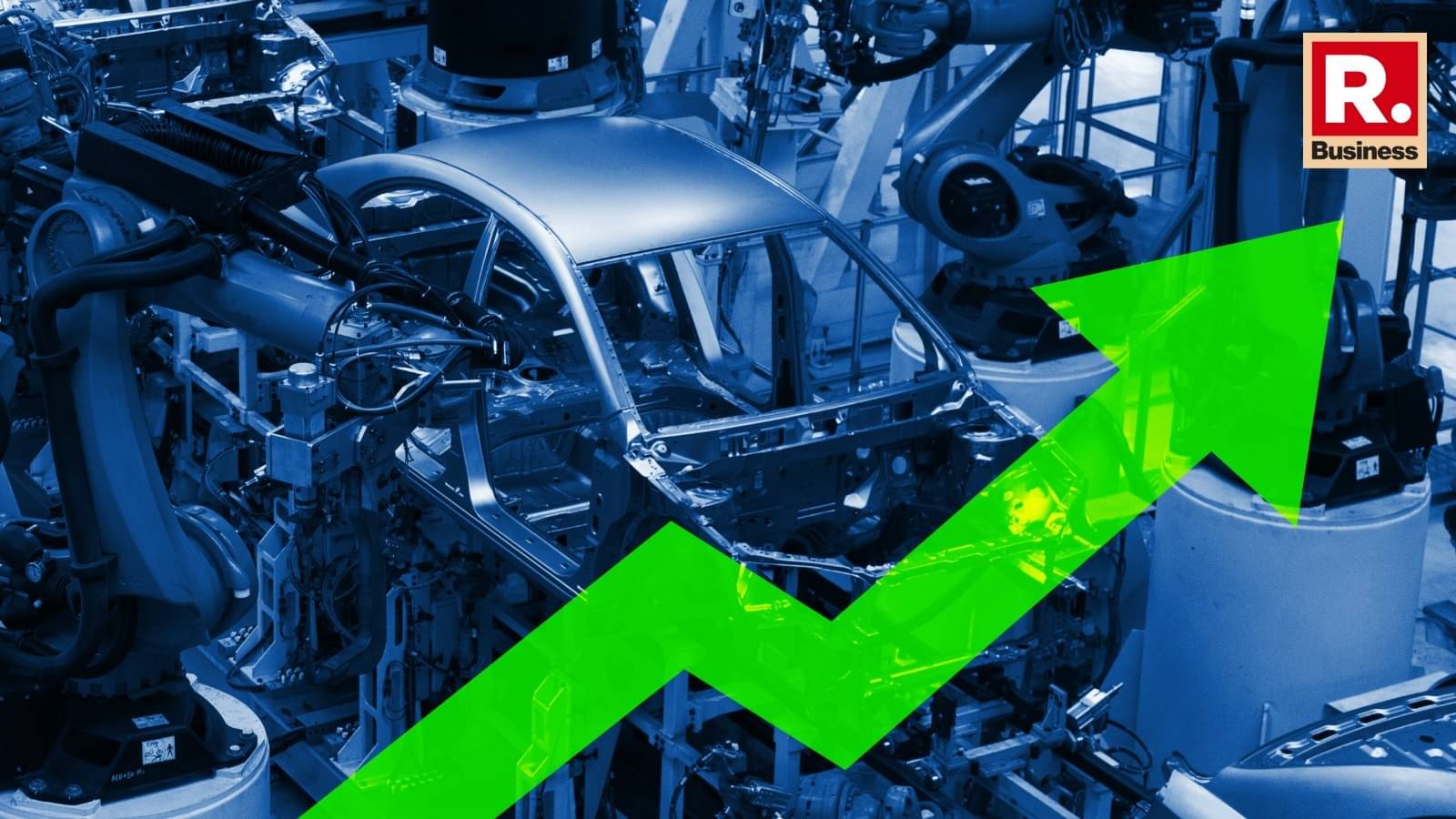
India's car parts business is getting a big makeover!
New tax rules called GST 2.0 have made smaller cars much cheaper, which has made a lot more people want to buy them.
The government is also changing import taxes to help electric cars get made in India and to make car parts easier to find.
Japan is a big partner, investing a lot of money and helping train engineers to build parts using high-quality Japanese methods.
These changes are helping India become a better place to build and sell cars, especially the new electric kinds.
The industry has been growing fast and is a big part of India's economy.

India's auto component industry has grown at a 14% CAGR from FY20-FY25.
GST 2.0 reduced taxes on small cars, boosting demand by nearly 50%.
Customs duty changes support the EV industry and localization efforts.
The Indo-Japan partnership is driving innovation in EV technology and manufacturing.
Over 30,000 engineers are being trained in Japanese production standards to enhance manufacturing capabilities.
- Who
- India's auto component industry, automotive sector, Japanese automakers, Indian consumers.
- What
- Undergoing a structural reset driven by GST 2.0 reforms, customs duty adjustments, and the Indo-Japan economic partnership.
- Where
- India
- When
- Over the past five years (FY20-FY25), with significant changes from GST 2.0 in September 2025 and the 2025 Union Budget.
- Why
- To reshape the manufacturing and export landscape, influence cost structures, attract investment, and enhance long-term competitiveness, particularly in next-generation mobility and EVs.
Positive Impacts of Reforms
Potential Concerns
GST 2.0
Positive Impacts of Reforms
Led to price cuts and a nearly 50% surge in bookings for small cars.
Potential Concerns
Premium vehicles now face a higher flat rate of 40%.
Customs Duty Changes
Positive Impacts of Reforms
Supports the EV industry and localization through exemptions and tariff relaxations.
Potential Concerns
Potential for disruption in existing supply chains due to adjustments in duties on CKD/SKD units.
Key facts
- Industry Size
- US$ 74 billion
- GDP Contribution
- 7.1% of India's GDP
- Vehicle Production (2024)
- 28 million units
- Vehicle Exports (2024)
- 4.5 million units
- Japanese FDI in India
- US$ 43.3 billion
- GST on Small Cars/Motorcycles (<350cc)
- 18%
- GST on Premium Vehicles
- 40%
- GST on EVs
- 5%
Quotes
Aditi Nayar
Chief Economist, Head-Research and Outreach, ICRA
“A lower YoY rise in Government spending is likely to weigh on the pace of the GDP and GVA growth in Q2 FY2026 compared to Q1 FY2026”
 NDTV
NDTV
“However, inventory stocking related to the early onset of the festive season, enhanced by the GST-rationalisation induced volume pickup, and upfronting of exports to the US ahead of the tariffs, are expected to boost the performance of the manufacturing sector, and help industry GVA growth outpace that of the services after a gap of four quarters”
NDTV
ICRA
a research and industry analysis company
“Lower expansion in the services sector-- 7.4 per cent in Q2 FY26 from 9.3 per cent in the first quarter this fiscal, and agriculture-- 3.5 per cent from 3.7 per cent, is likely to outweigh a pick-up in the performance of the industrial sector to a five-quarter high 7.8 per cent from 6.3 per cent”
NDTV
Sohrab Bararia and Saket Mehra
Grant Thornton Bharat partners
“the convergence of GST rationalisation, import-duty incentives and Japan-led manufacturing collaboration is positioning India as a stronger production and export base for next-generation mobility.”
 republicworld.com
Sources
Related news

Bangladesh Recall Shanto, Mahmud for Asian Games T20 Squad

Japan Cricket Boss Defends Asian Games Facilities Against Concerns

Mitsubishi Revives Pajero With 201PS Fifth-Generation SUV

Europe's Bond Selloff Deepens as Middle East Tensions Lift Oil

Uday Kotak Warns Global Bond Markets Face Roller-Coaster Volatility